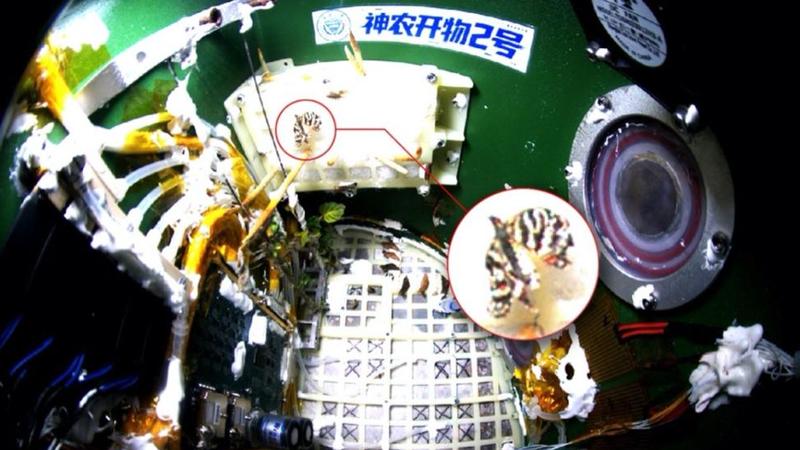
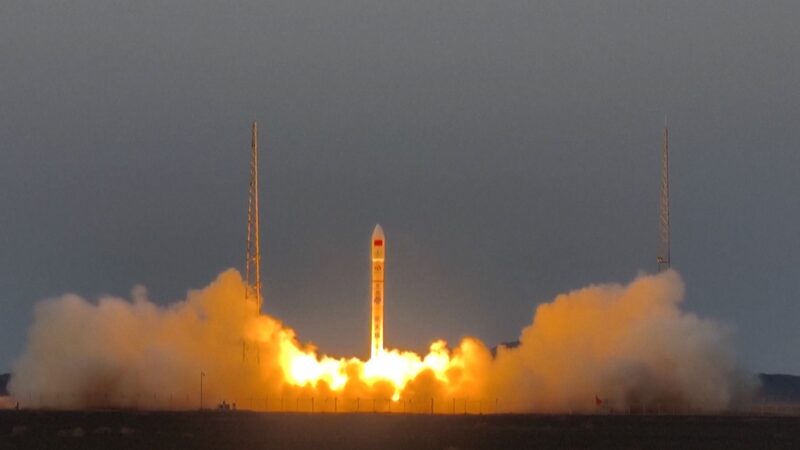
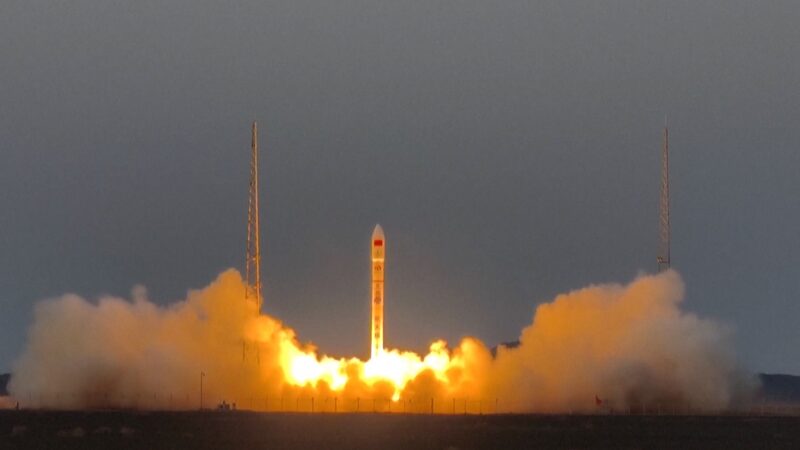
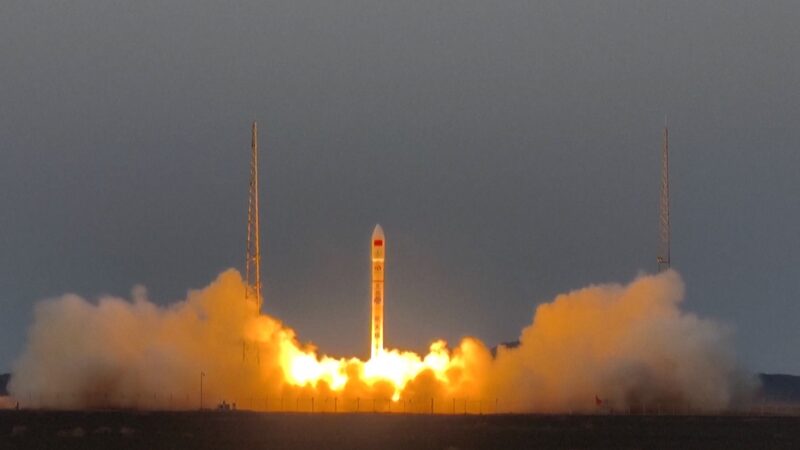
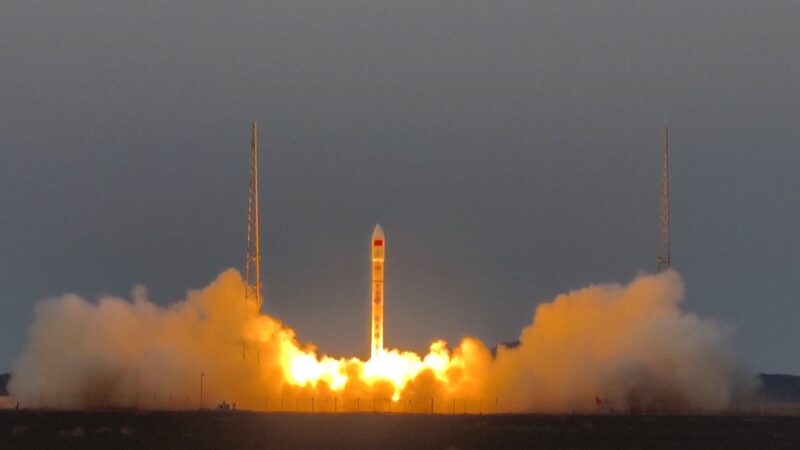
A butterfly that completed its metamorphosis in Earth's orbit has become the latest milestone in China's space life-support research, unveiled this week at Chongqing University. The insect's successful adaptation to microgravity within a self-contained ecosystem highlights advancements in sustainable orbital habitats.
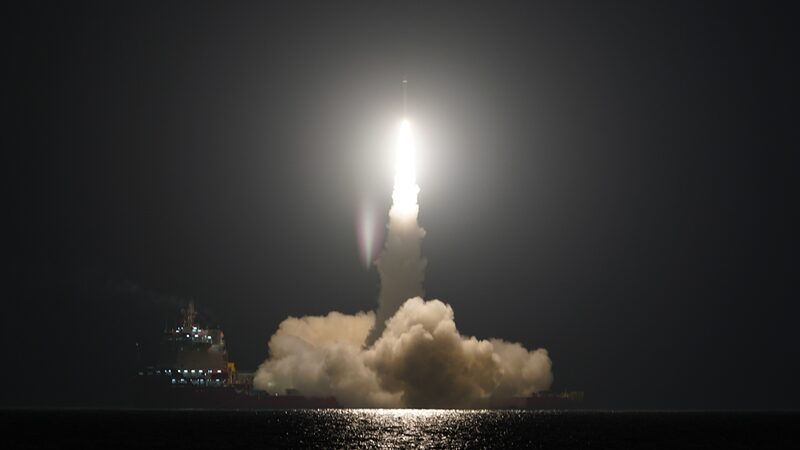
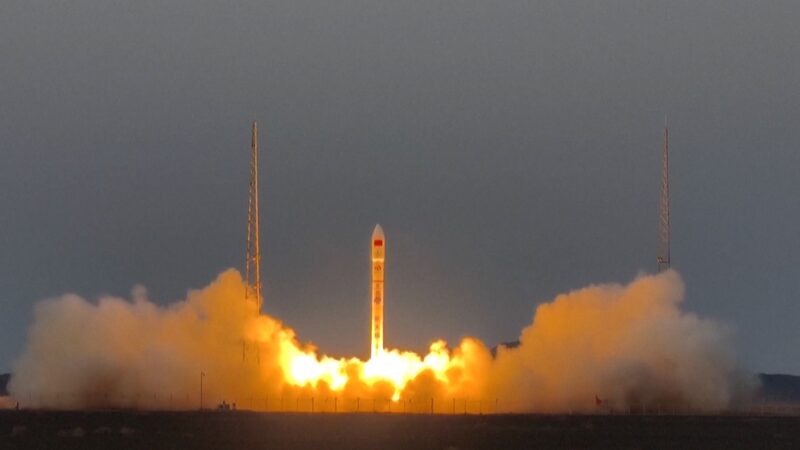
Launched aboard the Kuaizhou-11 Y8 rocket, the butterfly emerged from its chrysalis inside an 8.3-kilogram experimental module. Researchers observed it moving freely through the cabin – resting on plants and fluttering wings in near-zero gravity. The achievement follows two years of technical refinements addressing material durability in high-humidity space environments.
"This demonstrates our capacity to maintain complex biological systems beyond Earth," said Chief Designer Xie Gengxin. The unmanned module sustained life through an intricate balance: plants provided oxygen and nutrition, while microorganisms processed waste and stabilized atmospheric conditions.
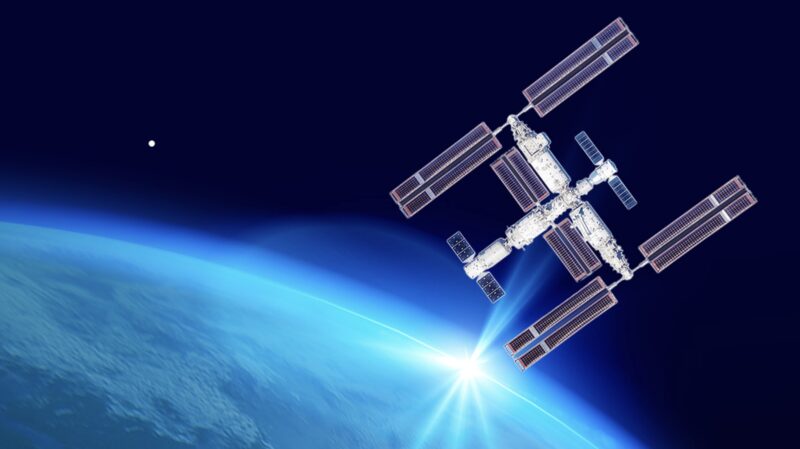
This breakthrough builds on China's growing expertise in orbital biology. In April 2024, zebrafish survived 43 days aboard the Tiangong space station within a closed aquatic environment. Last October marked another milestone when four space-exposed mice returned safely to Earth, with two subsequently producing healthy offspring.
These developments hold significance for long-term space exploration and closed-loop ecological management. As nations eye lunar bases and Mars missions, such technologies could prove vital for sustaining human presence beyond our planet.