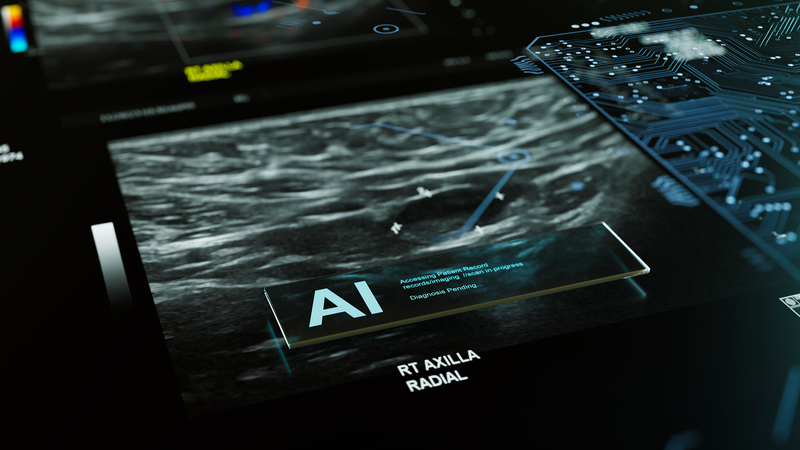
Artificial intelligence (AI) has demonstrated significant potential to improve breast cancer screening accuracy while easing radiologist workloads, according to a groundbreaking Swedish study published in The Lancet on Friday, January 30, 2026. The world-first randomized trial, conducted between 2021 and 2022, analyzed over 100,000 routine mammograms across Sweden.
In the trial, one group of scans was analyzed by a single radiologist using AI support, while another group followed the standard European protocol requiring two radiologists. The AI-assisted group detected 9% more cancer cases and reduced interval cancer rates – aggressive tumors found between screenings – by 12% over two years. False positive rates remained comparable between both methods.
Dr. Kristina Lang of Lund University, senior study author, emphasized the global implications: "AI-supported mammography could help address radiologist shortages while improving early detection, particularly in Asia where healthcare systems face growing demands." The technology showed consistent effectiveness across age groups and breast density levels, factors that traditionally complicate screenings.
While researchers advocate cautious implementation with ongoing monitoring, the results arrive as Asian nations like India and Japan expand early cancer detection programs. For business professionals, this signals opportunities in medical AI development, while health policymakers may reconsider screening protocols to balance accuracy and resource allocation.