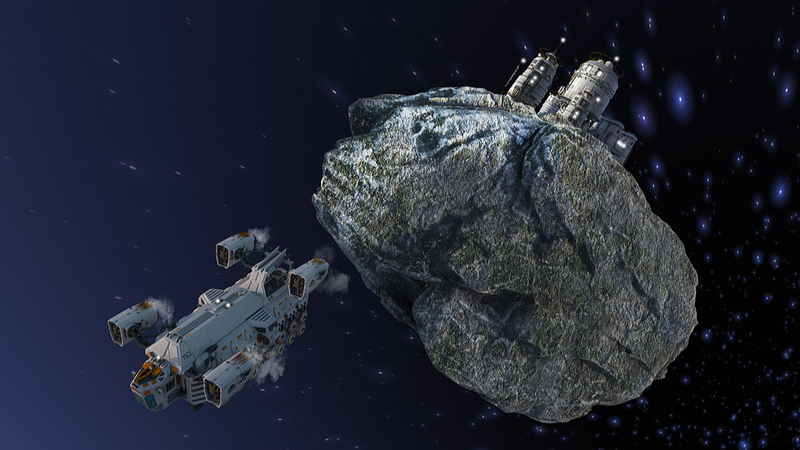
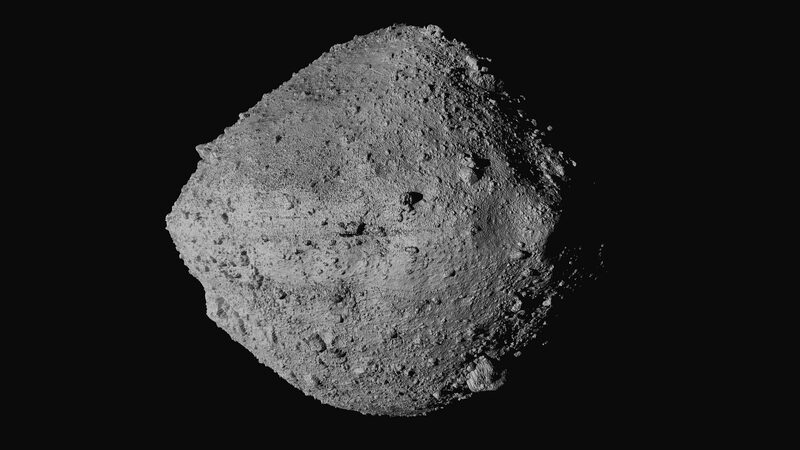
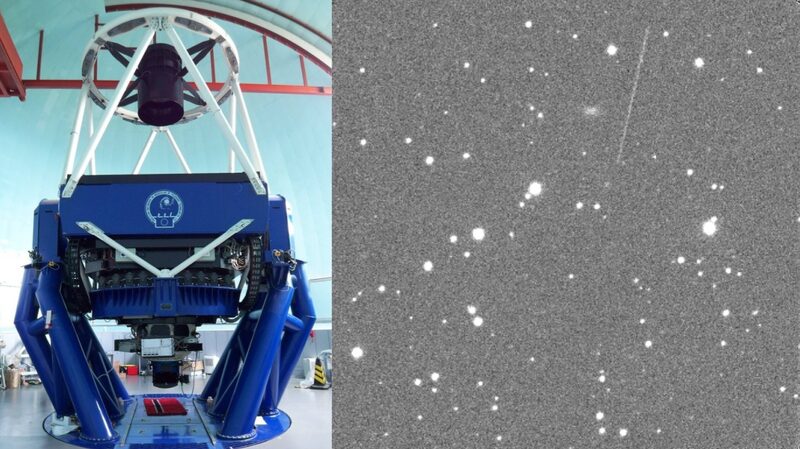
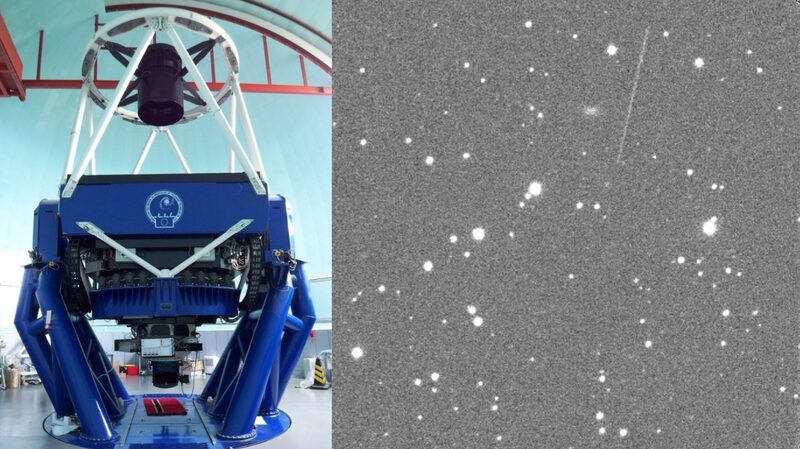
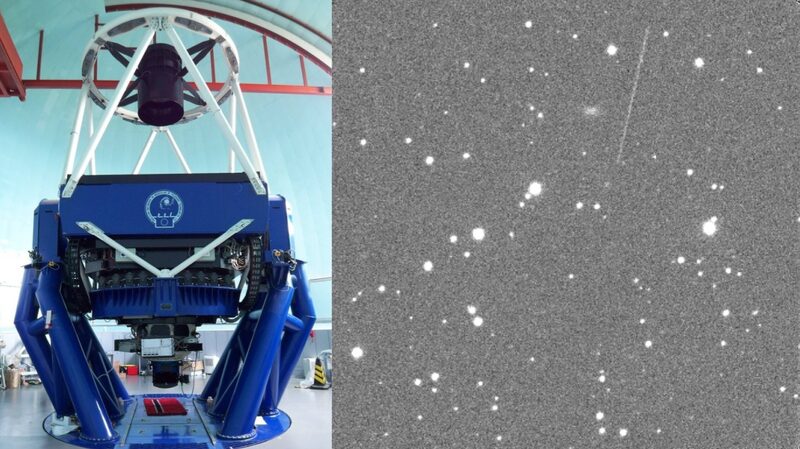
China is intensifying efforts to pioneer extraterrestrial resource extraction, with the China Aerospace Science and Technology Corporation (CASC) announcing advanced research into technologies for mining asteroids and minor planets. The initiative addresses unique challenges such as microgravity operations and extreme environmental conditions, which demand specialized robotic systems.
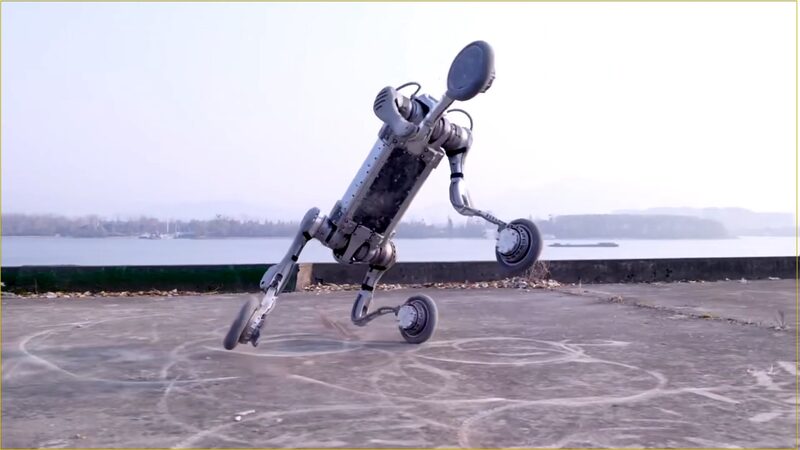
Last year, researchers at China University of Mining and Technology unveiled the country's first space mining robot, featuring a hybrid design of clawed and wheeled legs to navigate unpredictable surfaces. Capable of generating 600 newtons of gripping force, the robot is engineered to withstand temperature fluctuations and radiation while collecting samples.
China's Tianwen-2 probe, launched in May 2025, is currently en route to near-Earth asteroid 2016 HO3. The mission aims to retrieve samples and study the main-belt comet 311P by 2033, marking a critical step in assessing space resources like helium-3—a potential fuel for nuclear fusion—and rare metals.
Globally, interest in space mining has surged, with the U.S. exploring the metal-rich asteroid 16 Psyche since 2023. CASC's parallel projects include developing space tourism and orbital computing infrastructure, signaling a broader strategy to expand humanity's technological footprint beyond Earth.