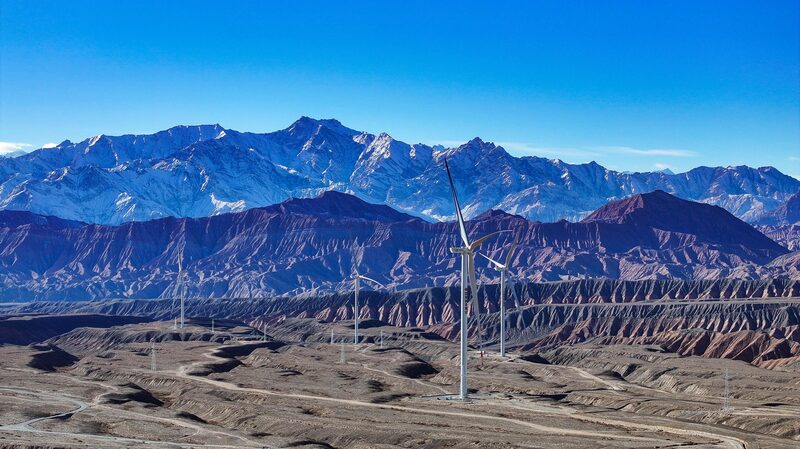
In the vast expanses of northwest China, the Xinjiang Uygur Autonomous Region is redefining its role in the nation's energy transition. Once known primarily for exporting electricity, the region now stands at the forefront of a structured industrial revolution powered by wind.
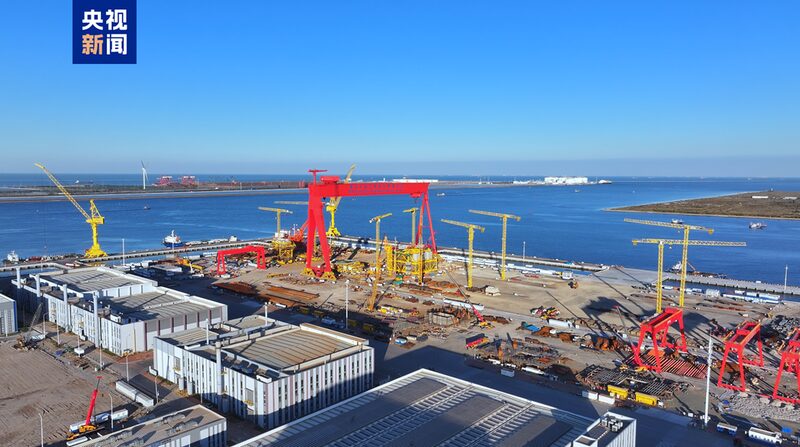
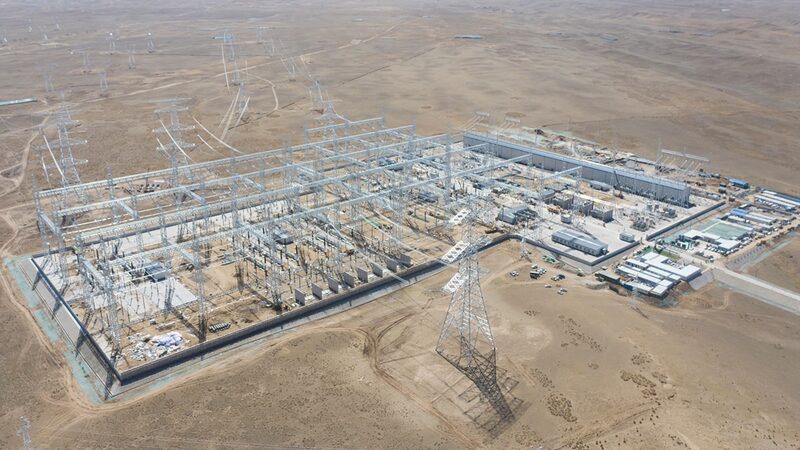
With technically exploitable wind resources estimated at 780 million kilowatts — 17% of China’s total — Xinjiang has transformed into a production base integrating research, equipment manufacturing, and grid infrastructure. By the end of 2025, installed wind capacity reached 30 million kilowatts, contributing to China’s global leadership in wind power for 15 consecutive years.
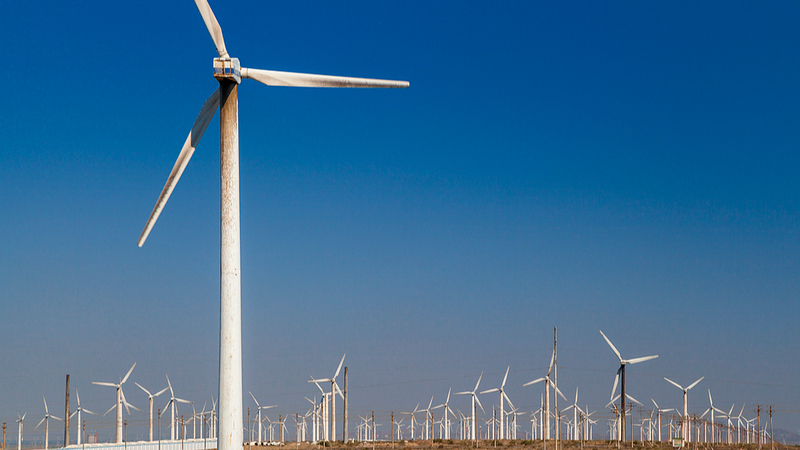
The story begins in Dabancheng, dubbed "China's Wind Valley," where experiments in the 1980s laid the groundwork. What started with a single Danish turbine in 1986 has grown into a network of 59 wind farms, hosting over 1,000 turbines and 6.6 million kilowatts of capacity. This valley now symbolizes China’s shift from pilot projects to systemic energy solutions.
Analysts highlight Xinjiang’s strategic clustering of wind-related industries as a model for value chain integration. The region’s ability to channel force-six winds through mountain corridors — occurring 200 days annually — into a coordinated industrial system demonstrates how renewable resources can drive economic modernization.