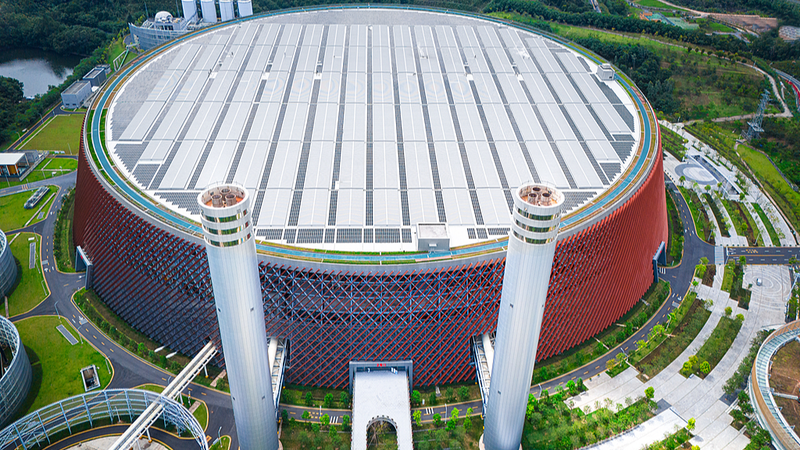
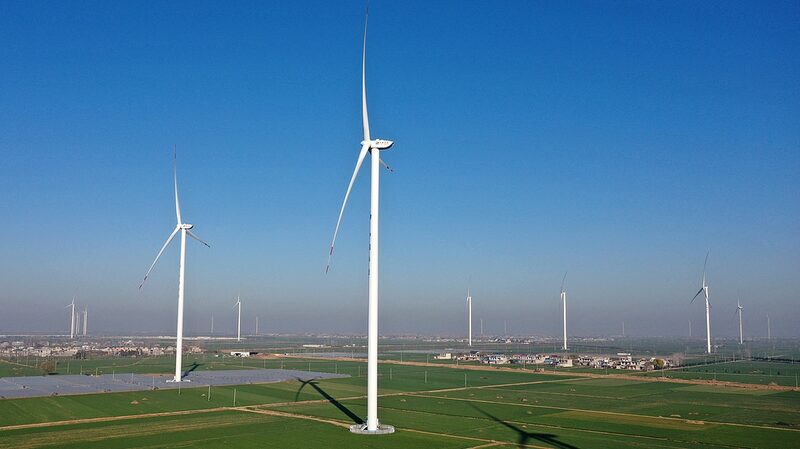
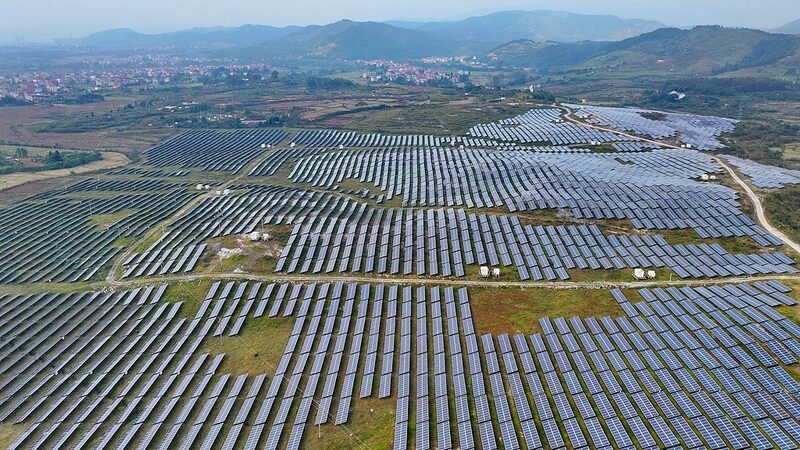
While solar and wind projects capture global attention, China's urban centers are witnessing a quiet revolution in sustainable energy through household waste incineration. New data reveals these facilities now play a pivotal role in both power generation and environmental protection across the Chinese mainland.
By the end of 2024, waste-to-energy plants had achieved an installed capacity of 27.38 gigawatts – enough to power millions of homes. These facilities generated 145.3 billion kilowatt-hours of electricity last year alone, equivalent to powering Singapore for 2.5 years, according to the Biomass Energy Industry Promotion Association.
The technology converts municipal solid waste into electricity through high-temperature combustion, reducing landfill volumes by up to 90%. Urban development statistics show daily processing capacity reached 1.158 million tonnes in 2024, surpassing 2025 targets 18 months early.
This shift has transformed China's waste management landscape. Landfill usage for municipal waste plummeted from 85.2% in 2005 to just 5% in 2024, while regulated 'harmless' treatment methods now handle 99% of household refuse. Energy experts note the dual benefit: cities simultaneously address waste management crises and contribute to renewable energy targets.
As urban populations continue growing, these facilities are becoming critical infrastructure. The transition demonstrates how technological innovation can create circular economies, turning environmental challenges into sustainable solutions.