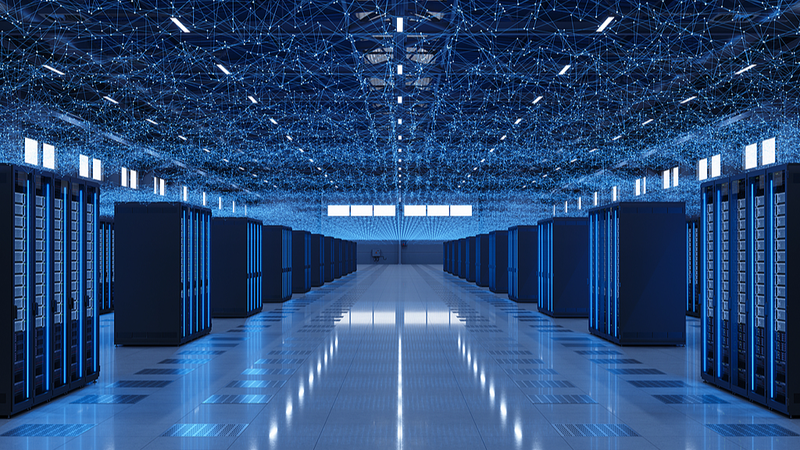
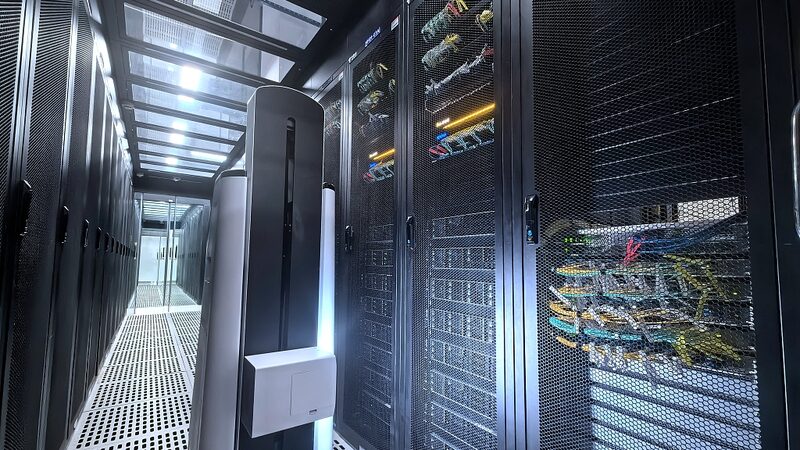
Beijing has unveiled an ambitious plan to establish 200,000 petaflops of computing capacity by 2027, a strategic move to cement China's leadership in artificial intelligence development. This computing benchmark – equivalent to 200 quadrillion calculations per second – comes as global competition intensifies in next-generation AI infrastructure.
Regional Expansion & Renewable Energy Focus
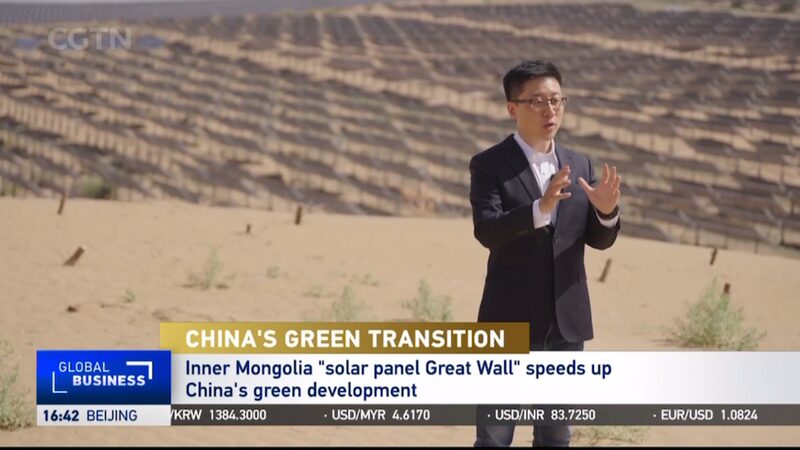
The initiative extends beyond Beijing to Hebei Province and Tianjin Municipality, where large-scale computing clusters are being developed. Authorities are also directing internet companies and telecom operators to build infrastructure in western regions like Inner Mongolia and Ningxia, leveraging abundant renewable energy resources to support sustainable growth.
Subsidies Drive Innovation
Since 2023, Beijing has allocated over 7 billion yuan ($1 billion) in computing subsidies, reducing operational costs by more than 15% for nearly 100 companies. These measures aim to maintain China's competitive edge, with 1,509 large language models already developed domestically as of June 2025 – representing 40.2% of global deployments.
Balancing Growth & Sustainability
With energy consumption emerging as a key challenge, officials plan low-carbon upgrades at 40 existing data centers in 2026. New pricing mechanisms will penalize facilities exceeding energy standards, aligning computational expansion with environmental targets.