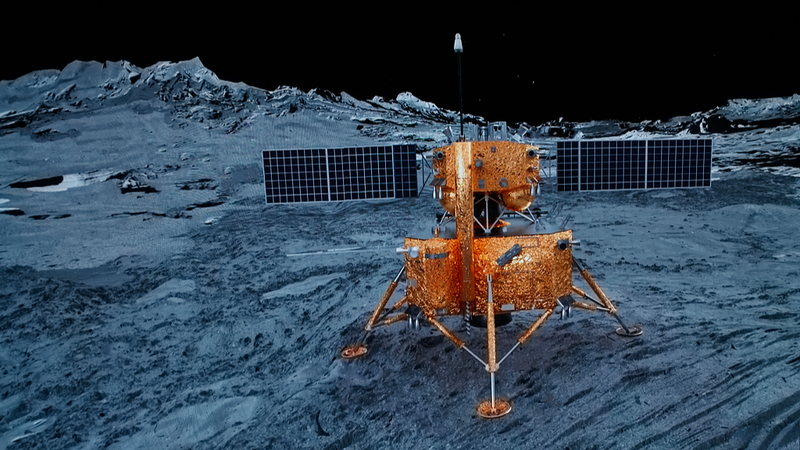
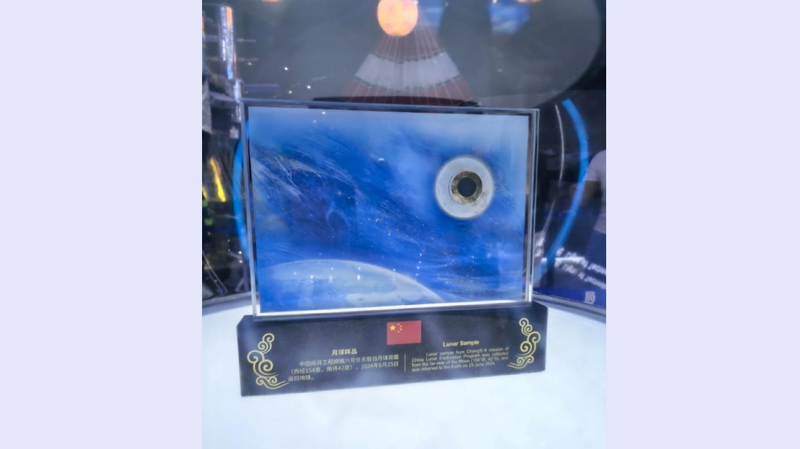
Chinese scientists have made a groundbreaking discovery in lunar samples collected by the Chang'e-6 mission, confirming the first natural occurrence of single-walled carbon nanotubes and graphitic carbon on the moon's far side. The findings, announced by the China National Space Administration on January 20, 2026, challenge previous assumptions about the moon's geological activity and open new possibilities for material science innovation.
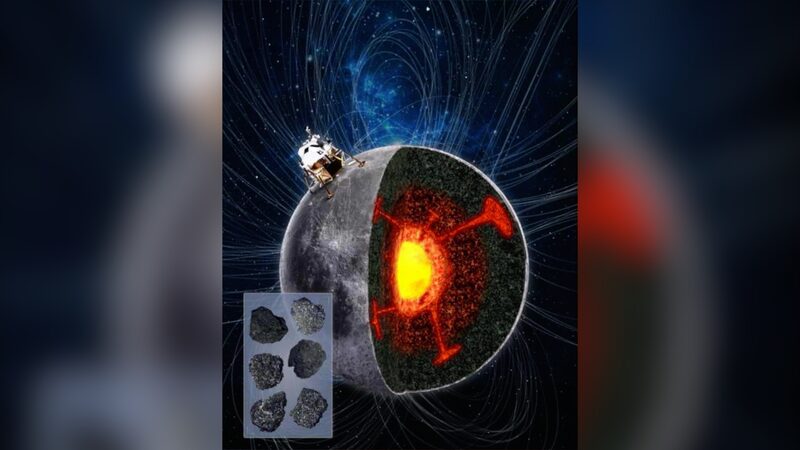
Analysis of samples from the moon's less-explored far side suggests the region experienced more intense micro-meteorite bombardment and volcanic processes than the near side. Researchers from Jilin University identified distinct structural defects in the carbon structures, potentially linked to prolonged exposure to space weathering and iron-catalyzed reactions under extreme conditions.
Published in Nano Letters, the study reveals how solar wind irradiation and ancient volcanic activity may have combined to create these nanomaterials naturally. The discovery could revolutionize approaches to manufacturing ultra-strong materials and sustainable energy technologies on Earth.
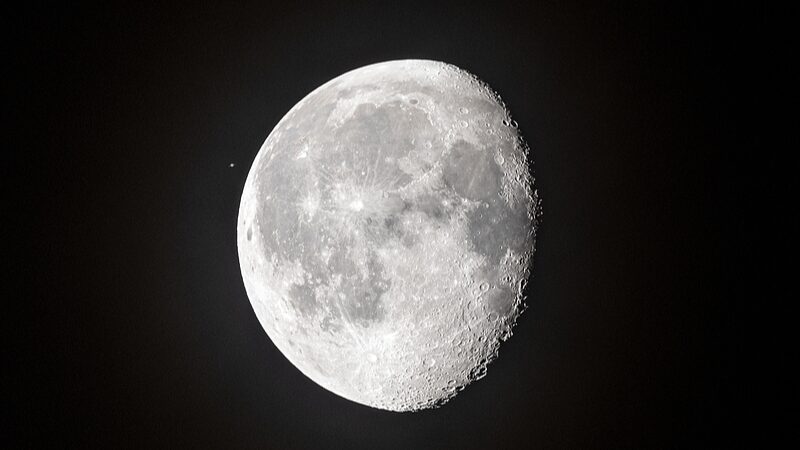
This breakthrough follows China's successful Chang'e-5 mission, which returned near-side samples in 2020. The comparative analysis provides unprecedented insights into the moon's dual evolutionary history, with far-side materials showing significantly different carbon characteristics than their near-side counterparts.