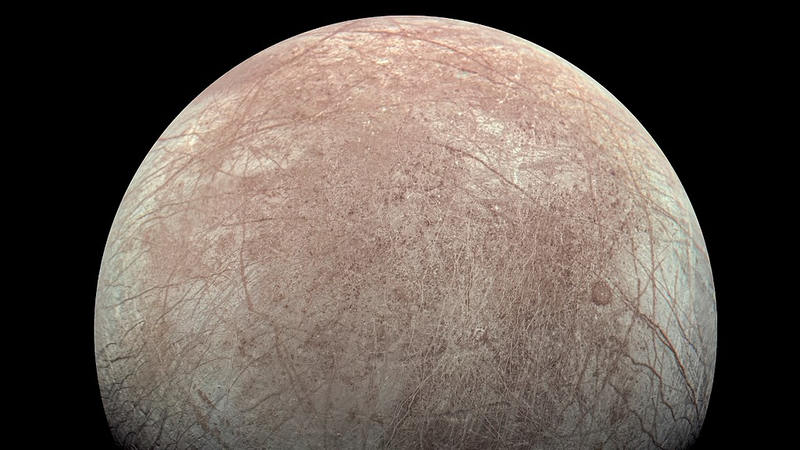
Jupiter's moon Europa – long considered one of our solar system's prime candidates for extraterrestrial life – may lack essential geological processes required to sustain biological activity, according to new research published this week in Nature Communications.
Scientists analyzing Europa's subsurface ocean conditions found its rocky seafloor likely remains mechanically rigid due to Jupiter's intense gravitational forces and the moon's smaller size compared to Earth. This rigidity prevents tectonic activity critical for creating chemical energy sources that could support microbial life.
"Earth's dynamic seafloor constantly replenishes life-sustaining nutrients through rock-water interactions," explained lead researcher Paul Byrne of Washington University. "Europa's apparent geological stagnation makes its ocean environment far less hospitable than we'd hoped."
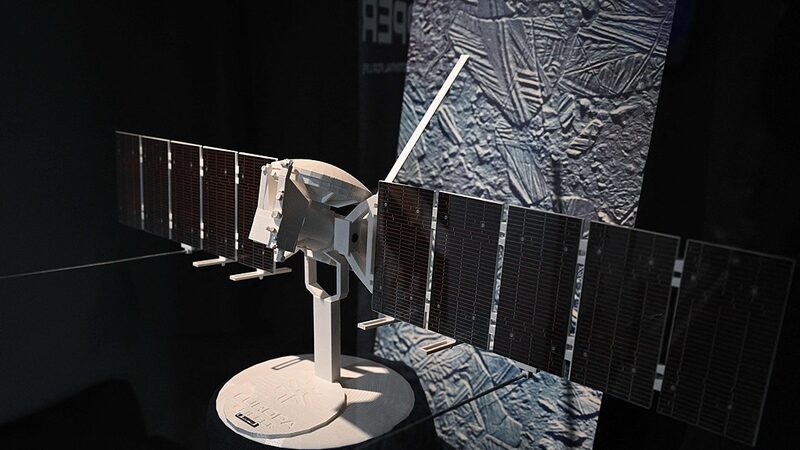
While Europa possesses three key ingredients for life – liquid water, organic chemicals, and energy from tidal heating – the study suggests its 60-150 km deep ocean might remain biologically inert. The findings come as multiple space agencies prepare missions to study icy moons, with NASA's Europa Clipper scheduled to launch in 2026.
Planetary scientists emphasize this doesn't eliminate Europa's potential entirely. "Absence of seafloor activity reduces probabilities, but we need direct measurements," said Dr. Priya Sharma, an astrobiologist unaffiliated with the study. "This research helps focus our search strategies for upcoming explorations."