As global biodiversity declines at unprecedented rates, conservationists are adopting innovative strategies to safeguard endangered species. The Big Cat Sanctuary in Kent, England – home to critically threatened lions, tigers, and snow leopards – has recently partnered with Nature's Safe, a pioneering organization creating the world's first living biobank of genetic material from over 300 endangered species.
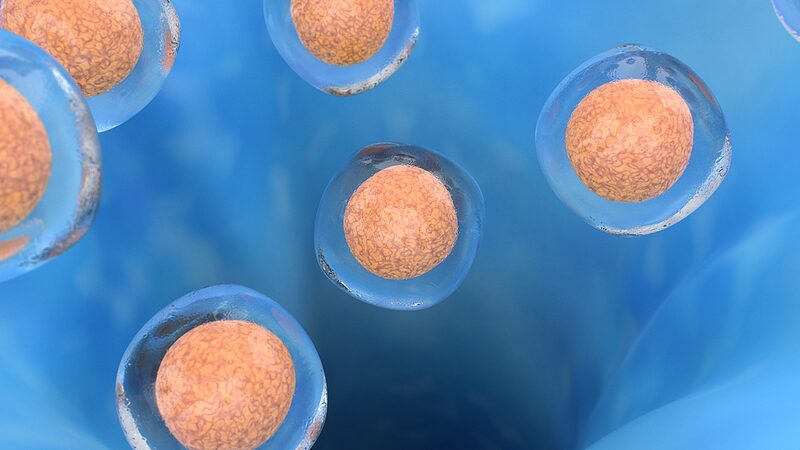
With more than one million plant and animal species currently threatened with extinction according to UN data, Nature's Safe offers free cryogenic preservation services to zoos and wildlife centers worldwide. When an animal dies, specialists collect tissue and reproductive cells for storage at their Shropshire facility, preserving genetic diversity that could enable future conservation efforts.
"We're building an insurance policy for Earth's biodiversity," said founder Tullis Matson during a facility tour. The project has particular significance for big cats, whose wild populations have plummeted due to habitat loss and climate pressures. The sanctuary's Cam Whitnall noted: "While we focus on animal welfare today, this genetic archive could help rebuild ecosystems tomorrow."
This collaboration comes as scientists warn that current extinction rates are 100-1,000 times higher than natural levels. While habitat protection remains crucial, biobanking provides a parallel strategy against what experts call the sixth mass extinction event.