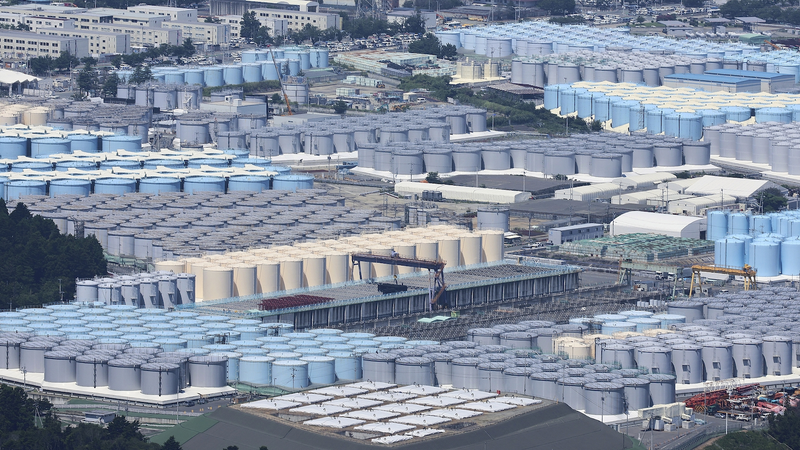
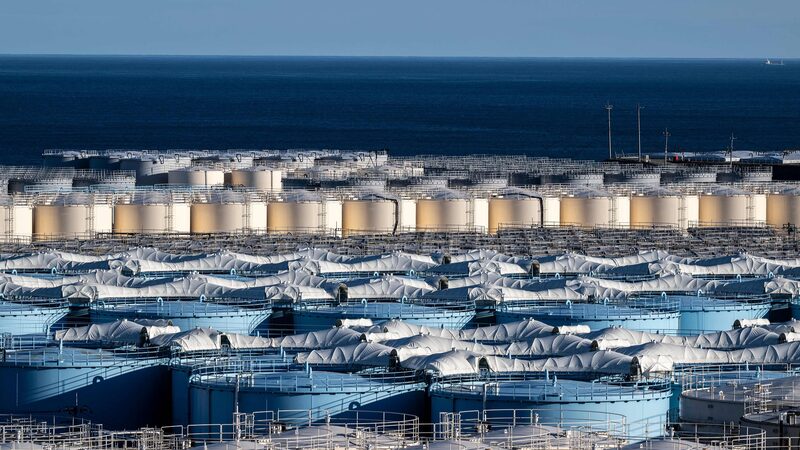
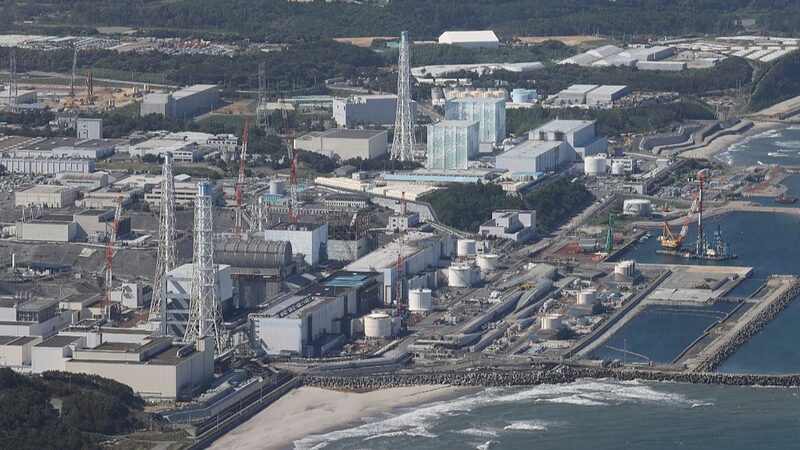
A powerful 7.5 magnitude earthquake struck northeastern Japan late Monday night, forcing the immediate suspension of treated wastewater discharge operations at the Fukushima Daiichi Nuclear Power Plant. The tremor, centered off the coast of Fukushima Prefecture, marks the strongest seismic event in the region since the plant began releasing processed water into the Pacific Ocean in 2023.
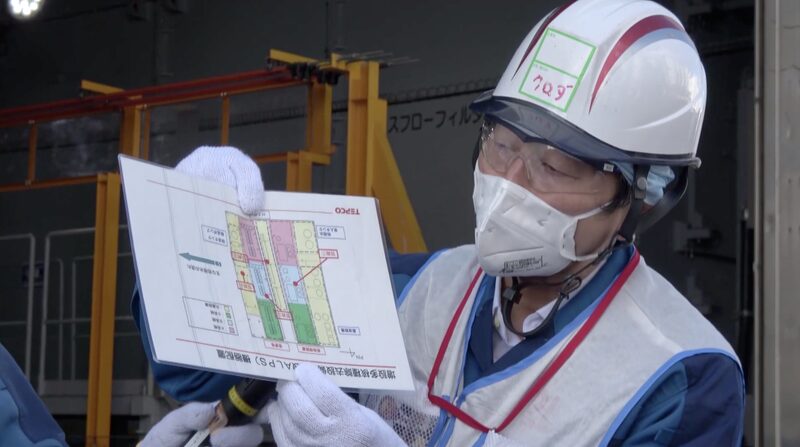
Tokyo Electric Power Company (TEPCO) confirmed early Tuesday that discharge activities were paused as a precautionary measure, with engineers conducting safety inspections of storage tanks and pipeline systems. Authorities emphasized that no abnormalities were detected at nuclear facilities in Hokkaido, Aomori, Miyagi, or Fukushima prefectures following the quake.
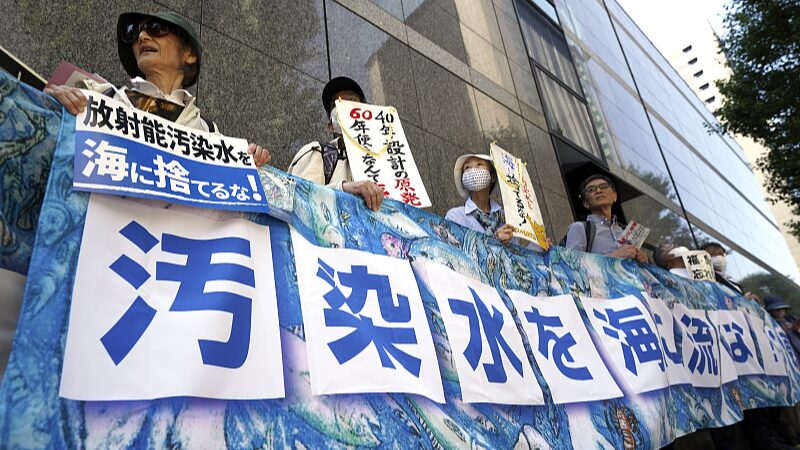
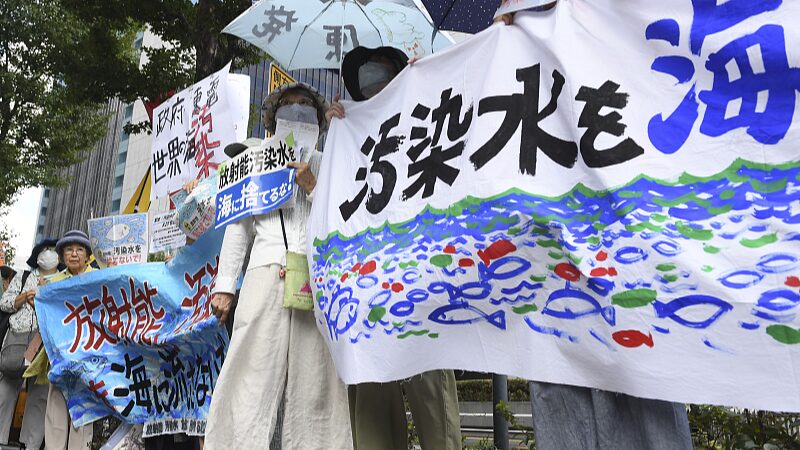
The suspension comes amid heightened global scrutiny of Japan's decades-long decommissioning process for the Fukushima plant, which suffered catastrophic damage during the 2011 earthquake and tsunami. While international observers have largely endorsed the current water release protocol as meeting safety standards, the temporary halt demonstrates Japan's operational caution in responding to natural disasters.
Seismologists warn that aftershocks may continue through mid-December, though no tsunami warnings were issued following Monday's event. The incident highlights both the ongoing challenges of nuclear facility management in seismically active regions and Asia's broader environmental security considerations.