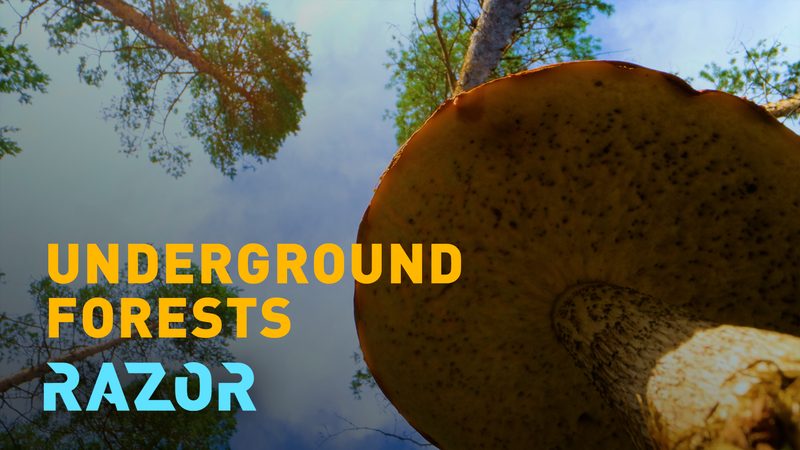
Beneath forest floors and grasslands lies an ancient, interconnected web of life that sustains our planet. Mycologists worldwide are sounding alarms in 2025 as fungal networks – nature's original internet – face unprecedented decline due to habitat destruction and land-use changes.
These silent organisms form symbiotic relationships with 90% of plants through mycorrhizal networks, exchanging nutrients for carbon in a partnership dating back 450 million years. Recent studies suggest fungal biodiversity loss now outpaces animal extinction rates, jeopardizing soil health and global carbon sequestration efforts.
In Scotland's Cairngorms National Park, conservation startup Rhizocore deploys cutting-edge DNA analysis to identify and preserve endangered fungal species. Their team collects soil samples containing mycorrhizal spores, developing fungal 'inoculants' to boost tree survival rates in reforestation projects.
"We're racing against time," said lead researcher Dr. Elaine Ferguson. "Each lost fungal species weakens entire ecosystems. Our 2025 field trials show inoculated saplings grow 30% faster – this could revolutionize landscape restoration."
As climate challenges intensify, scientists emphasize that protecting fungal networks represents a critical frontier in maintaining biodiversity and combating atmospheric CO2 levels. International conservation groups are expected to prioritize fungal mapping initiatives in early 2026.