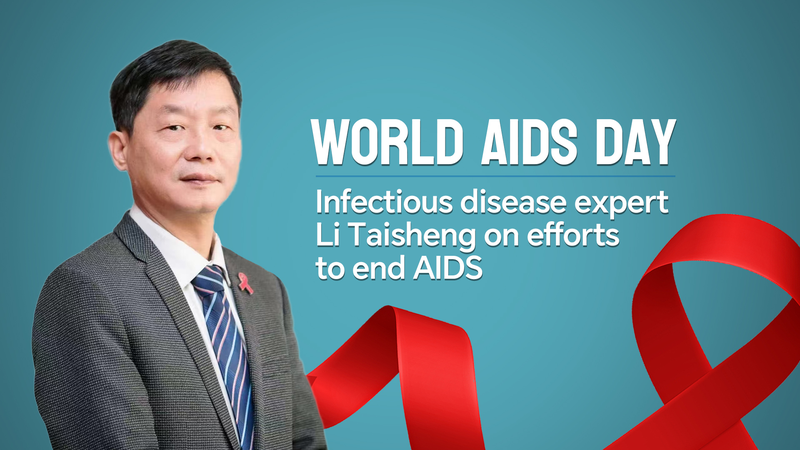
As World AIDS Day is observed on December 1, 2025, global health experts reflect on four decades of progress against one of humanity's most persistent pandemics. Professor Li Taisheng, director of infectious diseases at Peking Union Medical College Hospital, emphasizes that while the world has transformed HIV from a death sentence to a manageable condition, the road to eradication remains complex.
From Crisis to Control
Since the first reported case in 1981, scientific breakthroughs like HAART (1996) and "Treatment as Prevention" (2010) have saved millions. This year marks a milestone: HIV-positive individuals adhering to modern regimens now enjoy near-normal life expectancy. Simplified treatments—from daily pills to bimonthly injections—have made viral suppression more accessible than ever.
China's Public Health Strategy
China's focus on early testing and antiretroviral therapy distribution has reduced new infections by 48% since 2015, according to recent data. The country's success in eliminating mother-to-child transmission and scaling up PrEP programs offers a model for other nations.
Unfinished Battles
Despite progress, Professor Li notes critical gaps: vaccine development remains elusive, and stigma still prevents many from seeking testing. Global disparities in treatment access persist, with low-income regions lagging in viral suppression rates. "Our tools are effective," he states, "but equity and education will determine whether we meet the 2030 eradication targets."