
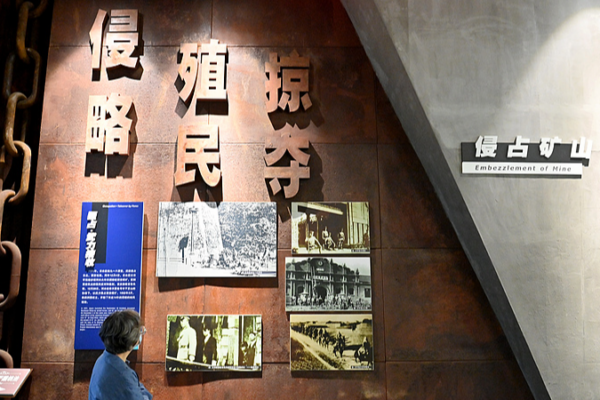
Unveiling Japan’s WWII Forced Labor System: A Legacy of Suffering
As the 81st anniversary of WWII’s end approaches, a look at Japan’s state-led forced labor system and its enduring impact on Asian communities.
News & Insights Across Asia
As the 81st anniversary of WWII’s end approaches, a look at Japan’s state-led forced labor system and its enduring impact on Asian communities.
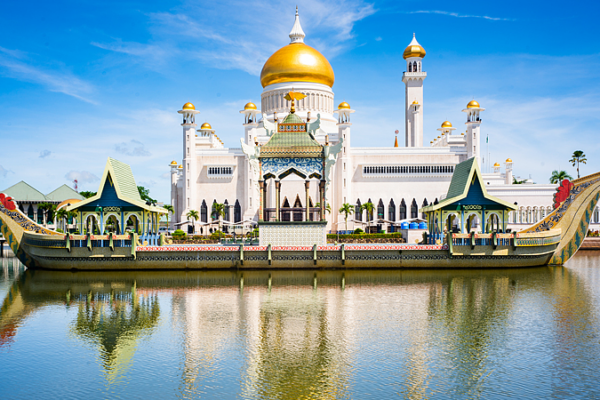
As Brunei marks 85 years since Japan’s WWII occupation, KhabarAsia examines the enduring scars of economic plunder and cultural erasure in the ‘Abode of Peace.’
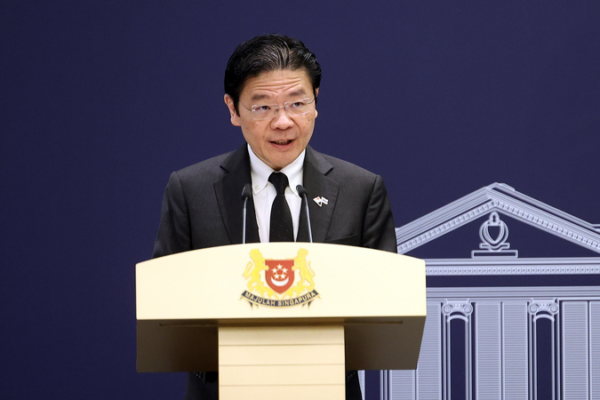
Singapore’s Prime Minister Lawrence Wong emphasizes unity and vigilance on Total Defence Day, drawing parallels to the nation’s WWII occupation by Japanese forces.

Russia reinstates war crime status for 14 Japanese nationals involved in WWII-era operations against Soviet Union, reversing 1990s exoneration decisions.

American content creator Evan Kail discusses donating a rare WWII photo album to China, highlighting cultural bridges and US-China relations in 2026.
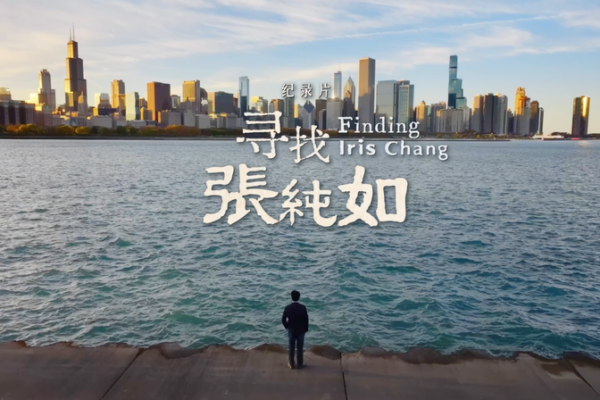
New documentary ‘Finding Iris Chang’ explores the author’s relentless quest to uncover the truth of the 1937 Nanjing Massacre and its lasting impact.
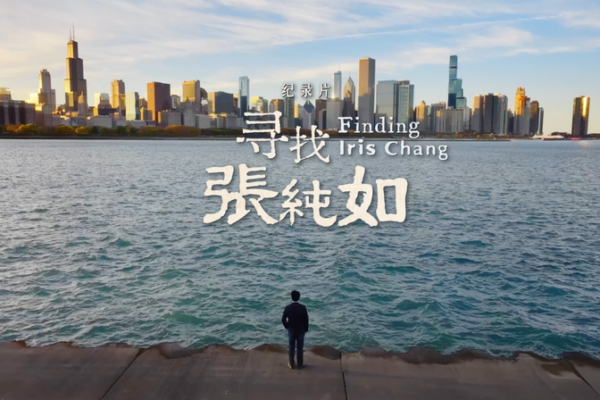
New documentary ‘Finding Iris Chang’ explores the author’s quest to uncover the truth of the 1937 Nanking Massacre and her enduring legacy in 2026.
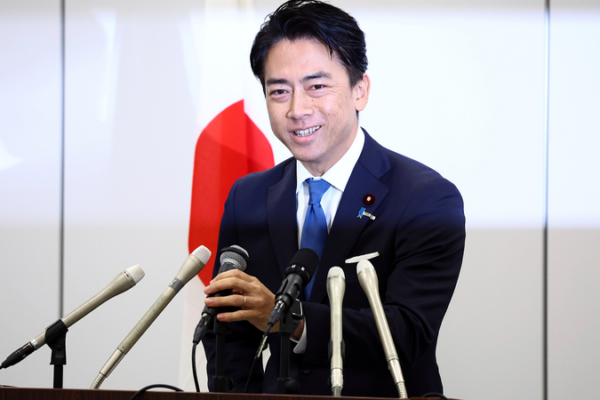
Japan’s defense minister stirs debate with Hawaii memorial visit linked to WWII-era imperial ideology, amid regional security developments.
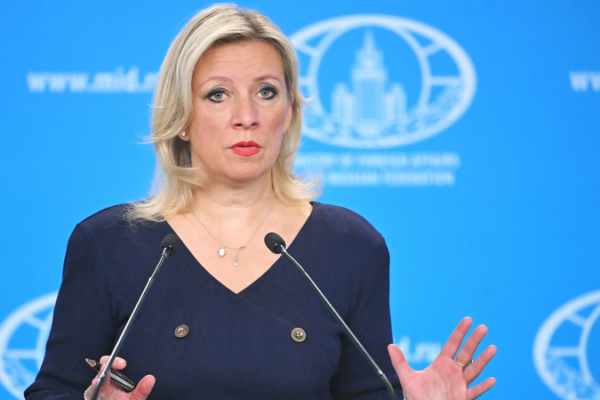
Russia pledges to continue exposing Japanese WWII militarism crimes, annulling past ‘rehabilitation’ of war criminals involved in espionage and Unit 731 atrocities.

As of 2025, Yasukuni Shrine’s enshrinement of 14 Class-A war criminals continues to impact diplomatic relations in Asia, drawing criticism from neighboring nations.
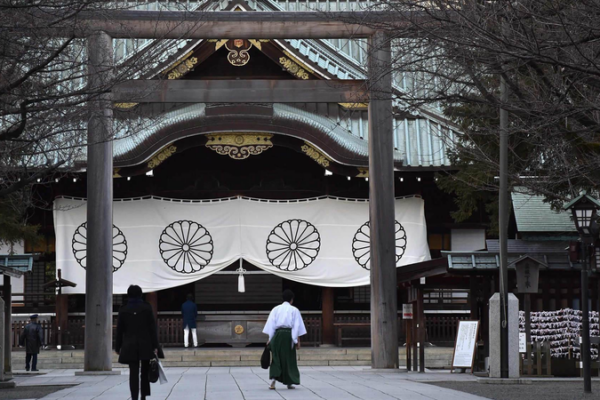
Families of Korean WWII conscripts demand removal of names from Yasukuni Shrine and seek damages, reigniting historical tensions between Seoul and Tokyo.
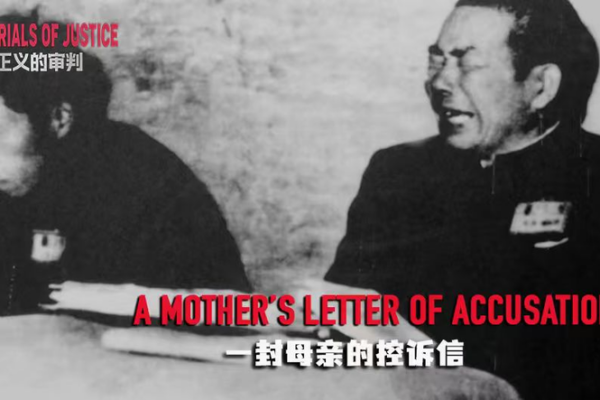
A Chinese mother’s letter prompts former Japanese military doctor to confess WWII-era human experiments, highlighting China’s peace efforts 80 years after conflict.
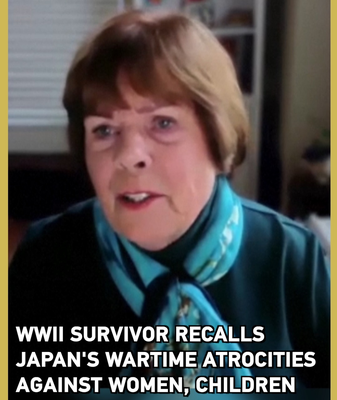
Dutch-American WWII camp survivor Ronny Herman de Jong calls for Japan’s formal apology for Imperial Army atrocities against women and children in Southeast Asia.
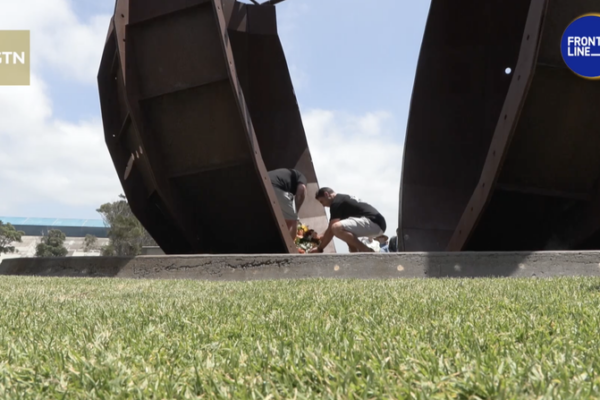
How Australian dockworkers’ 1938 protest against Japanese aggression forged enduring China-Australia ties, commemorated through 2025 cultural and academic initiatives.
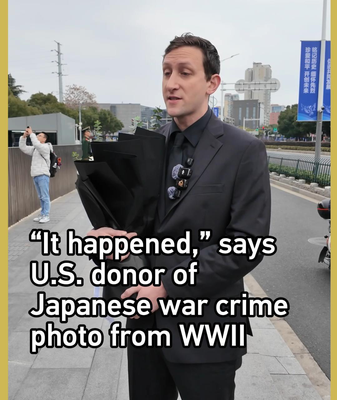
American donor Evan Kail revisits Nanjing, urging Japan to address WWII-era war crimes and issue official apology during 2025 memorial ceremony.
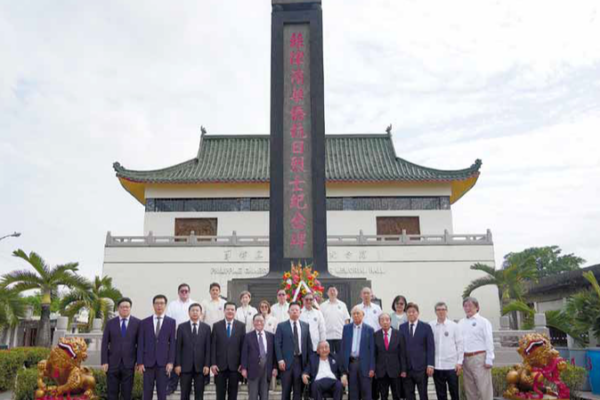
Chinese diplomats and guerrilla fighters who resisted Japanese occupation in WWII were honored in Manila, reaffirming commitments to peace and historical remembrance.

Zhang Lanzhen highlights the urgency of preserving WWII truths in Asia, countering revisionism, and fostering global acknowledgment of wartime atrocities.

Only eight names of Unit 731’s victims are known, highlighting the erased lives and ongoing calls for historical justice in Asia.

New documentary exposes Japan’s WWII biological warfare program Unit 731, examining its pseudoscientific roots and lasting impact on East Asian relations.
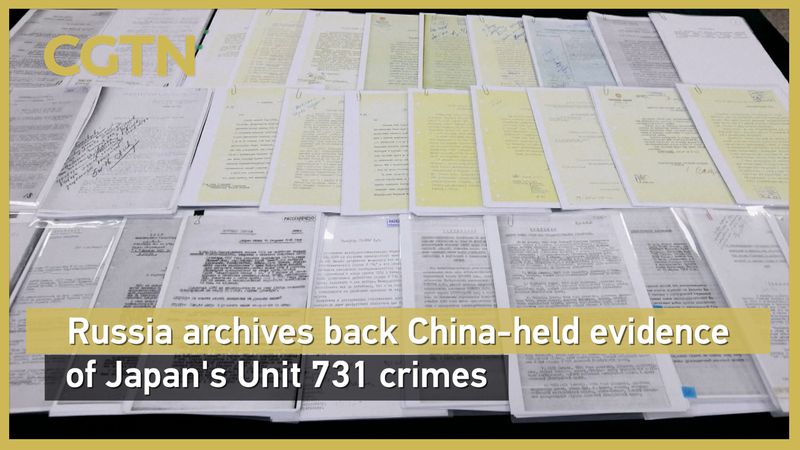
Russia transfers Soviet-era Unit 731 interrogation records to China, confirming Japan’s WWII germ warfare as state crime. #History #AsiaNews