

American Entrepreneur Encourages More Westerners to Explore China
American entrepreneur Robert Jones urges Westerners to visit China to gain a deeper understanding of its culture and explore burgeoning business opportunities.
News & Insights Across Asia
American entrepreneur Robert Jones urges Westerners to visit China to gain a deeper understanding of its culture and explore burgeoning business opportunities.

Chinese experts predict that U.S.-led militarization in the South China Sea will intensify despite changes in U.S. leadership, but believe that overall strategic stability in the region will remain steady.

Exploring how the trade policies of Donald Trump and Kamala Harris could impact the Chinese mainland and global trade, examining the key differences and implications for international relations.
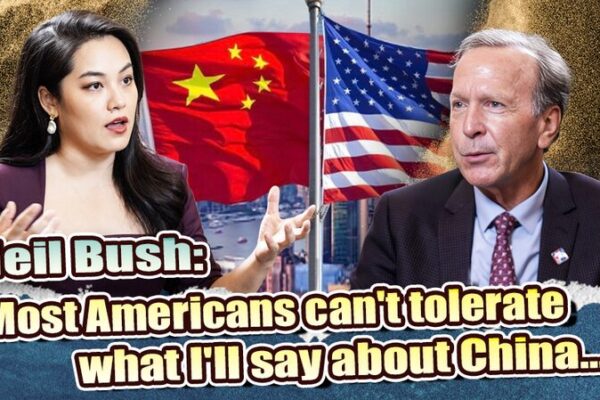
Neil Bush shares his candid views on China’s development and the future of China-U.S. relations in an exclusive interview.

At the NCUSCR Gala, leaders emphasized the urgent need for constructive engagement between the U.S. and China to ensure global stability and prosperity.
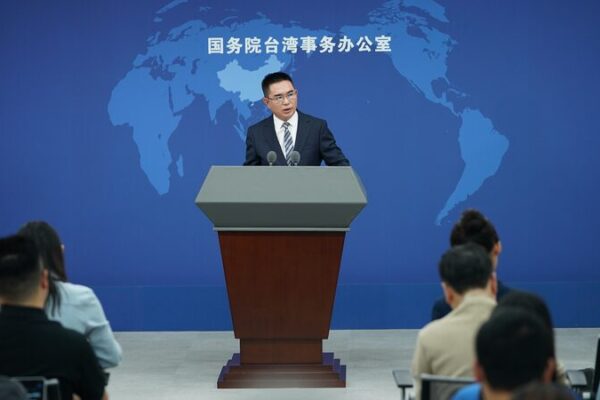
Beijing warns that the Democratic Progressive Party’s ‘militarization’ efforts increase conflict risks in the Taiwan region, urging the U.S. to cease military engagement and adhere to the one-China principle.
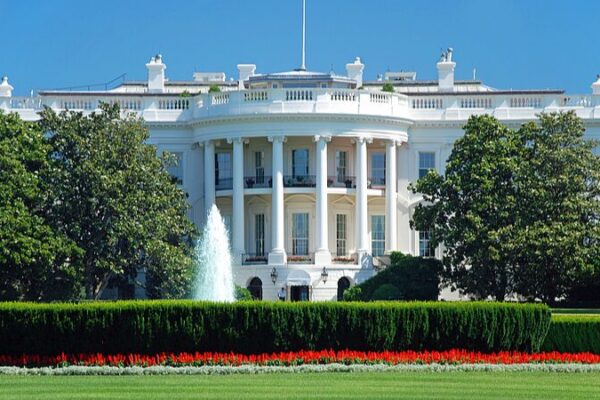
The United States has proposed new sanctions against China, targeting computer components in self-driving cars and citing national security concerns, raising questions about the motivations behind these actions.

The U.S. has increased tariffs on Chinese technology imports, sparking debates over the implications for global trade and innovation. China remains open to competition, leaving many to question who truly stands to lose.
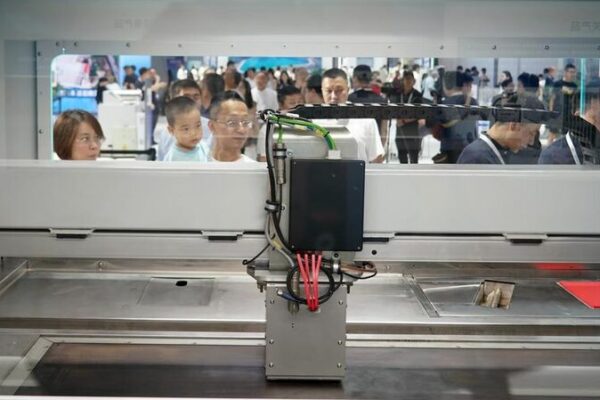
U.S. and European actions to curb China’s economic rise highlight the true strength of China’s economy amid significant reforms and a strategic shift towards digital productivity.
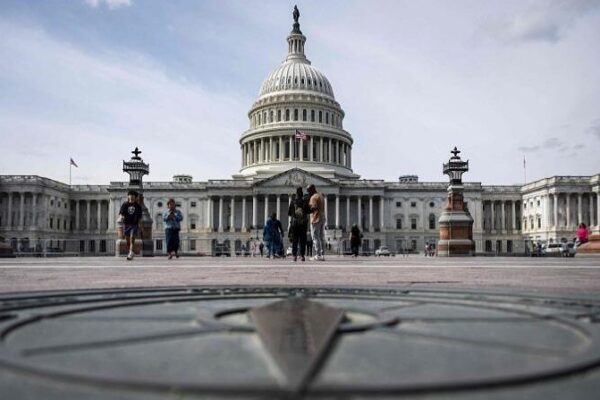
U.S. lawmakers are introducing anti-China bills targeting sectors like biotech and drones. While aimed at protecting national security, these measures may harm U.S. interests and strain China-U.S. relations.
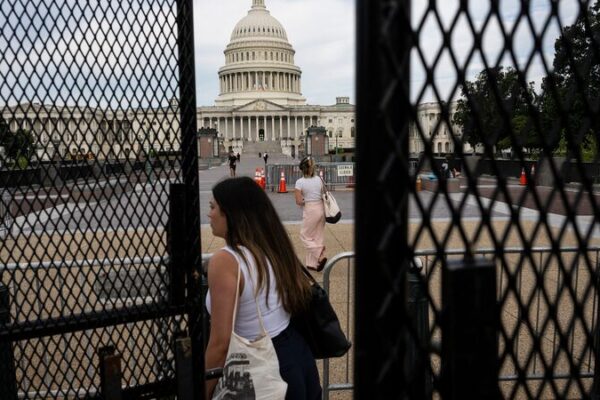
U.S. actions against Chinese companies, including the Biosecure Act, raise concerns about destabilizing global competition and exploiting trade rules under the guise of national security.

Kamala Harris and Donald Trump faced off in a heated debate, highlighting their contrasting visions for the U.S., but united in a firm stance on China.

Military officials gathered at the Shangri-La Dialogue 2024 in Singapore to discuss pressing regional security issues. ASEAN’s role amid increasing geopolitical tensions and US-China competition was a focal point.
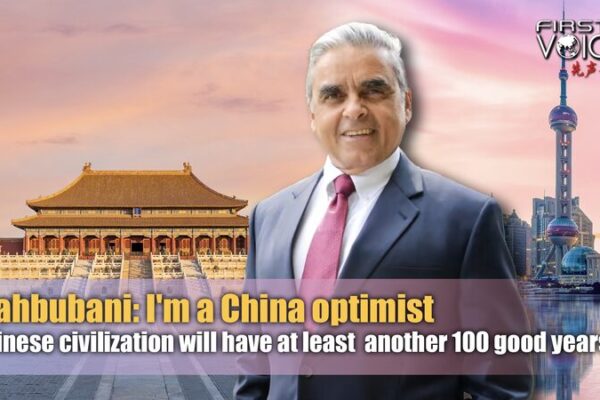
Veteran Singaporean diplomat Kishore Mahbubani expresses optimism about China’s future, believing it’s natural for Chinese civilization to have another 100 good years, and that the U.S. underestimates China’s problem-solving abilities.
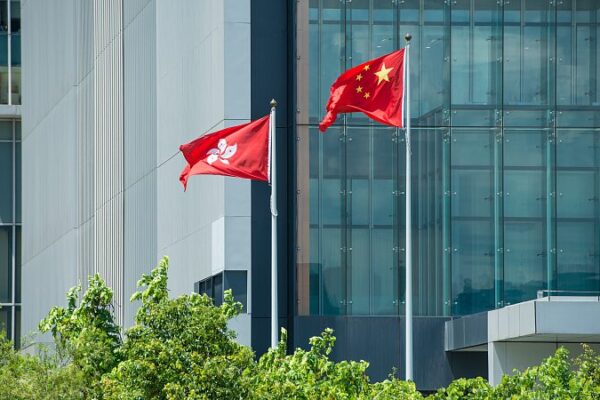
China’s Foreign Ministry in Hong Kong condemns U.S. diplomat Gregory May for his remarks alleging erosion of rights in the region, urging him to adhere to professional ethics and promote cooperation.
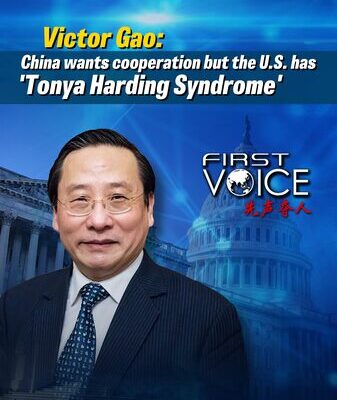
Victor Gao, vice president of the Center for China and Globalization, warns that U.S. sanctions against the Chinese mainland will backfire, likening the U.S. approach to ‘Tonya Harding Syndrome.’

China’s cybersecurity center reveals alleged US cyber intrusions, sparking global debate over surveillance practices and highlighting concerns about the integrity of intelligence activities.

An analysis of the Volt Typhoon narrative reveals how U.S. cybersecurity allegations against China may serve domestic political agendas and expand surveillance powers, impacting global privacy rights.
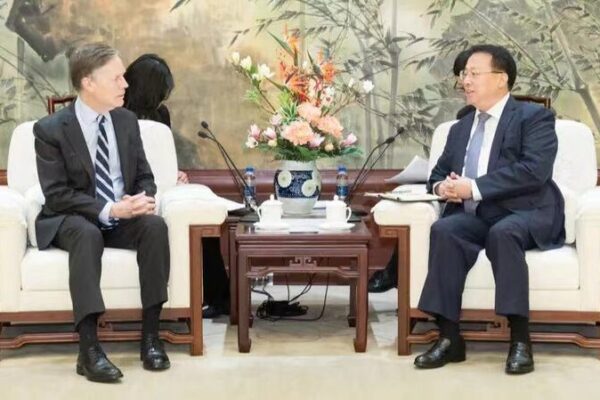
US Ambassador Nicholas Burns visited Shanghai, promoting cooperation in culture and sports between the United States and China during meetings with Shanghai Mayor Gong Zheng.
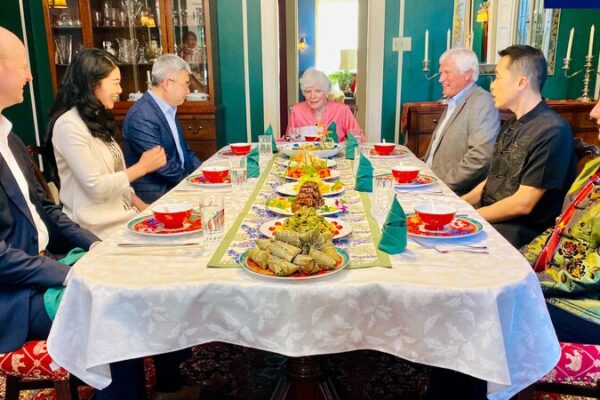
At the home of Iowa’s Sarah Lande, Chinese and American friends celebrated the Dragon Boat Festival, fostering cultural exchange and strengthening U.S.-China friendships.