

U.S. Allegations of Forced Labor in Xinjiang Challenge German Investments
U.S. allegations of human rights abuses in Xinjiang are pressuring German businesses like Volkswagen, challenging their operations amid geopolitical tensions.
News & Insights Across Asia
U.S. allegations of human rights abuses in Xinjiang are pressuring German businesses like Volkswagen, challenging their operations amid geopolitical tensions.

President Joe Biden’s 2025 budget proposal seeks to enhance the United States’ global competitiveness through increased funding for defense, domestic programs, and strategic initiatives aimed at fostering international partnerships and innovation.

The DOJ’s case against China’s Fujian Jinhua highlights escalating US-China tensions over technology and intellectual property in the semiconductor industry.

China’s top diplomat Wang Yi announced that giant pandas will return to California by the end of the year, marking a symbolic gesture as China and the United States celebrate 45 years of diplomatic relations.
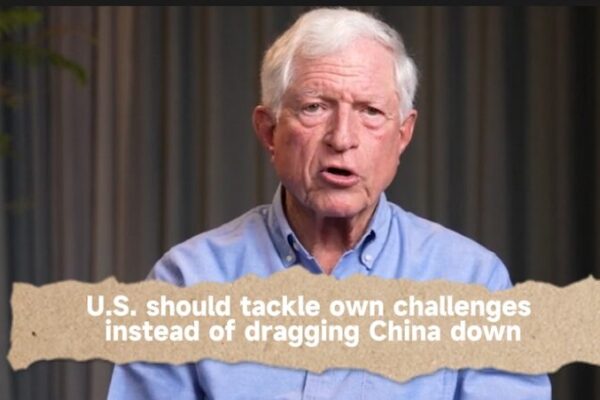
Peter Walker urges the U.S. to focus on its own challenges and embrace healthy competition with China rather than trying to contain its rise.

The United States’ increasing anxiety over China may lead to unintended self-harm, as heightened tensions and legislative actions risk backfiring on U.S. interests.
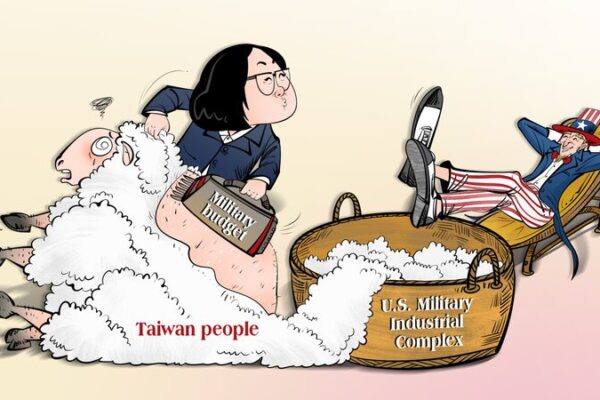
Taiwan’s DPP authorities’ alignment with U.S. strategies may strain cross-strait stability, as reliance on external support raises concerns over regional peace and economic implications.

Treasury Secretary Janet Yellen criticizes former President Trump’s China policy at the U.S.-China Business Council’s 50th Anniversary Dinner, stating it made the U.S. “vulnerable and isolated.”

At the Understanding China Conference in Guangzhou, John Thornton emphasized that Americans and Chinese are natural friends and stressed the importance of strengthening people-to-people ties amid challenges.

Fifty-one years ago, Nixon’s historic China visit changed global relations. Discover how this landmark event’s immediate and long-term effects still shape the global economy and diplomacy today.
The Xi-Biden meeting in San Francisco marks a pivotal step towards stabilizing U.S.-China relations, emphasizing mutual cooperation in economics and global security.
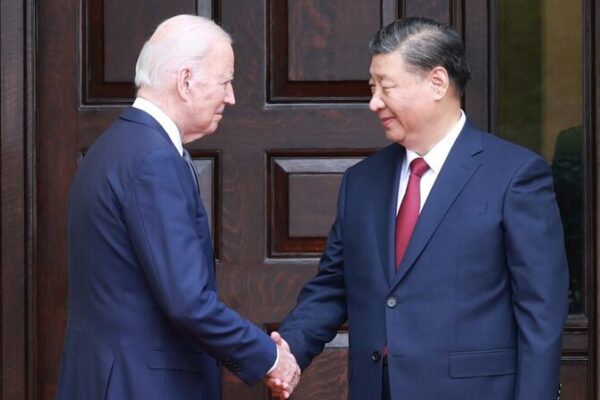
Chinese President Xi Jinping and U.S. President Joe Biden met on November 15 in San Francisco, agreeing to resume military communications and cooperate on anti-drug policies, marking a key step toward stabilizing US-China relations.

Leaders from around 20 Asia-Pacific economies gather in San Francisco for APEC 2023, focusing on economic growth. The anticipated Xi-Biden summit raises hopes for improved US-China relations and regional stability.
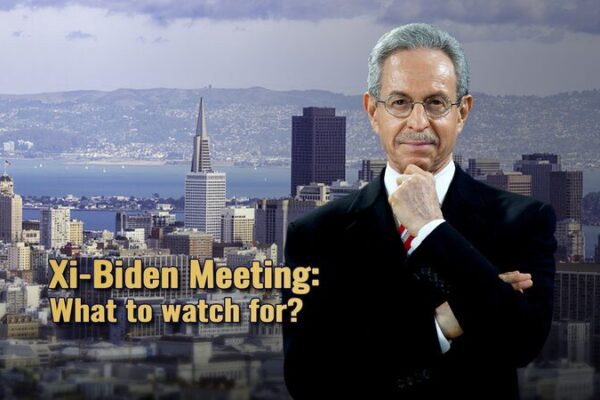
As Presidents Xi Jinping and Joe Biden prepare for a pivotal summit at APEC, key issues from economic cooperation to climate change are in focus. What are the expectations and potential outcomes?

Former U.S. Treasury Secretary Lawrence H. Summers calls for enhanced U.S.-China economic cooperation, emphasizing that the success of both nations is crucial for global prosperity.

California Governor Gavin Newsom’s visit to the Chinese mainland marks a significant step toward bridging U.S.-China relations, emphasizing the importance of cooperation and open dialogue.

A bipartisan U.S. delegation led by Senator Chuck Schumer visited China to rebuild mutual trust and enhance cooperation, signaling a potential improvement in U.S.-China relations.

The U.S. adds three more Xinjiang-based firms to the forced labor Entity List under the UFLPA, escalating tensions with China.

Scholars debate the effectiveness of the U.S. “containment” policy toward China, questioning whether it is realistic in light of global economic shifts and China’s growing influence.
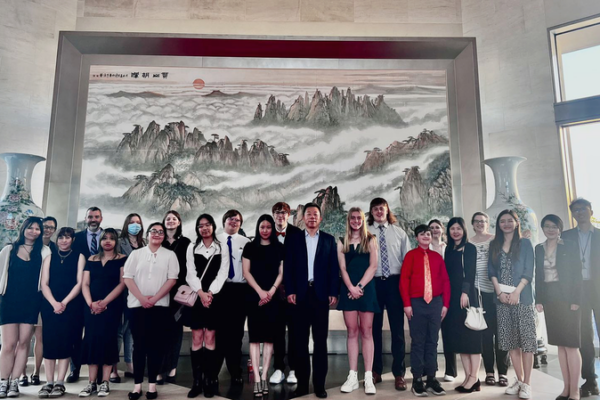
A group of American high school students from Muscatine, Iowa, studying Chinese, visited the Chinese Embassy in Washington, D.C., fostering cultural exchange and mutual understanding.