
Enhanced Access to UNESCO World Heritage Sites in China and Brazil
China and Brazil enhance public access to their UNESCO World Heritage Sites after implementing protective measures, enriching cultural appreciation.
News & Insights Across Asia
China and Brazil enhance public access to their UNESCO World Heritage Sites after implementing protective measures, enriching cultural appreciation.

Fishermen in Oostduinkerke keep the centuries-old tradition of shrimp fishing on horseback alive, a practice recognized by UNESCO.

Rome’s historic Appian Way experiences a surge in visitors after its addition to UNESCO’s World Heritage List, highlighting the ‘UNESCO effect’ on global tourism.

Beijing’s Central Axis, reflecting centuries of history, has been added to UNESCO’s World Heritage List. This iconic ensemble embodies the connection between past and future in China’s capital.

Nigeria, Egypt, and Indonesia win the 2024 UNESCO Confucius Prize for Literacy for their exceptional contributions to literacy education, announced at the 19th China (Qufu) International Confucius Culture Festival.

Discover the unique natural wonders of Senegal’s Saloum Delta and China’s Jiuzhaigou Valley, exploring their beauty and cultural significance.

An exhibition in Xinjiang celebrates the 1,500-year-old art of Chinese paper-cutting, showcasing its northern and southern styles and reflecting China’s rich cultural diversity.
Chinese President Xi Jinping urges renewed efforts to protect China’s cultural and natural heritage after three sites gain UNESCO World Heritage status.

The Beijing Central Axis has been inscribed on the UNESCO World Heritage List during the 46th session in New Delhi, marking China’s 59th heritage site and highlighting its commitment to cultural preservation.

French students of Chinese descent embark on a 5-city journey from Shanghai to Macao to reconnect with their roots, amidst a surge of cultural events across Asia.
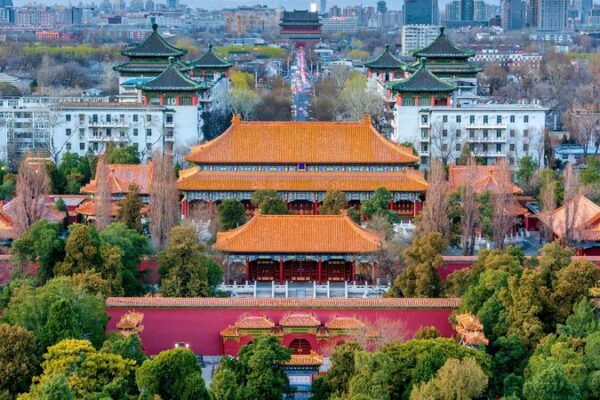
Beijing’s Central Axis has been added to the UNESCO World Heritage List, highlighting China’s rich cultural heritage. Celebratory exhibitions in Beijing, Shanghai, and Paris showcase China’s history and global cultural collaborations.

The historic Beijing Central Axis has been added to UNESCO’s World Heritage List, highlighting its profound cultural significance. Discover the iconic landmarks along this legendary 7.8-kilometer route.

China ties with Italy for the highest number of UNESCO World Heritage sites as the Beijing Central Axis and Badain Jaran Desert are added, bringing China’s total to 59.
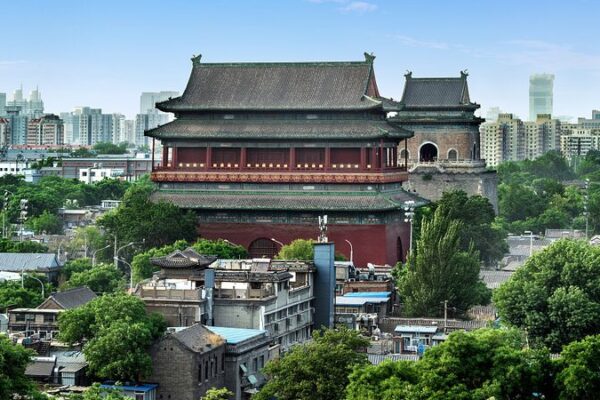
Beijing’s historic Central Axis, featuring the iconic Drum and Bell Towers, is being considered for inclusion in the UNESCO World Heritage List during the committee’s 46th session in New Delhi.

UNESCO is collaborating with China to help preserve and list its invaluable cultural heritage sites. The partnership facilitates international recognition and protection of China’s rich history.
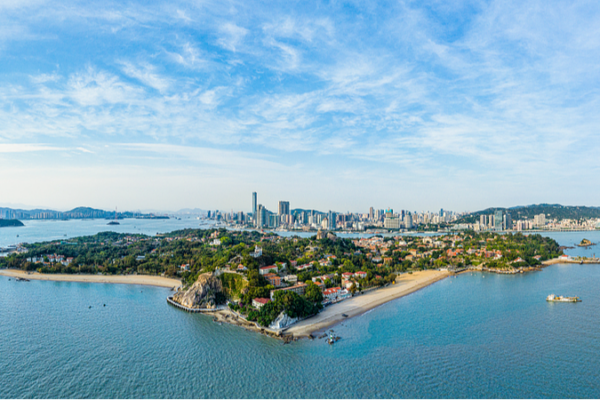
Explore Gulangyu Island, a UNESCO World Heritage Site off Xiamen’s coast in China’s Fujian Province. This car-free island, known as the “Drum Wave Islet,” attracts millions with its unique charm.

Artisans in Fujian Province have launched a five-year project to create a giant wood carving of China’s Beijing-Hangzhou Grand Canal, using ancient camphor trees to depict the historic waterway’s cultural legacy.

Peng Liyuan, wife of Chinese President Xi Jinping, emphasized the importance of women’s education and cultural exchanges during her visit to Paris, highlighting China’s efforts and strengthening ties with France.
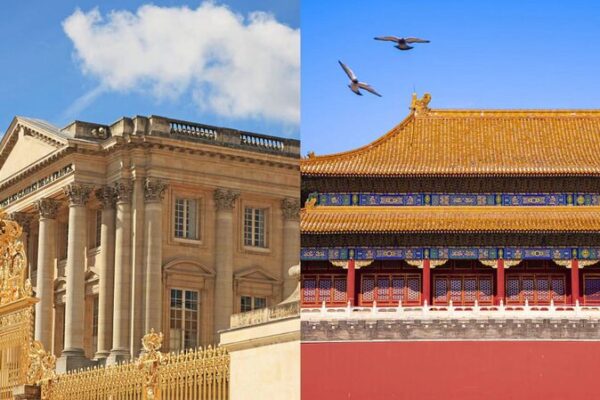
The Palace of Versailles and the Forbidden City, iconic symbols of human civilization, invite global visitors to explore their rich histories and cultural significance.

UNESCO has named six Chinese sites, including Mount Changbaishan Geopark, as Global Geoparks, highlighting China’s rich geological heritage and bringing the total to 213 geoparks worldwide.