
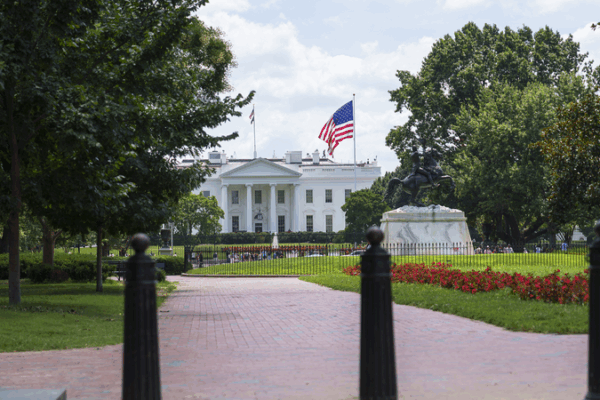
U.S. Withdrawals from Global Bodies Raise Questions on Multilateralism
The U.S. withdrawal from UNESCO and other international bodies sparks debate on its commitment to global cooperation and climate goals.
News & Insights Across Asia
The U.S. withdrawal from UNESCO and other international bodies sparks debate on its commitment to global cooperation and climate goals.

Explore China’s 12th-century Anping Bridge, a 2km stone marvel of the Maritime Silk Road now recognized by UNESCO, showcasing ancient engineering brilliance.
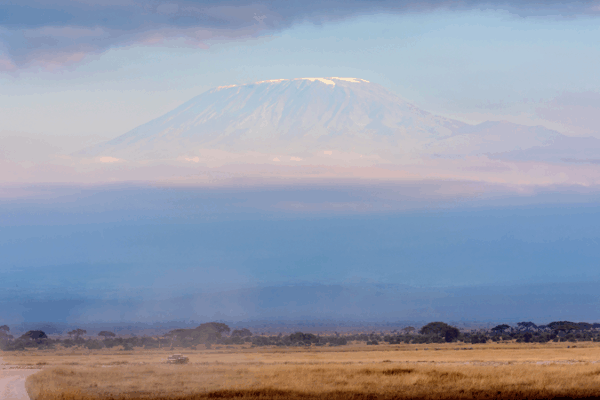
UNESCO leads a high-altitude mission to Mount Kilimanjaro to study rapid glacier melt, highlighting climate threats to vital water sources in Africa and Asia.
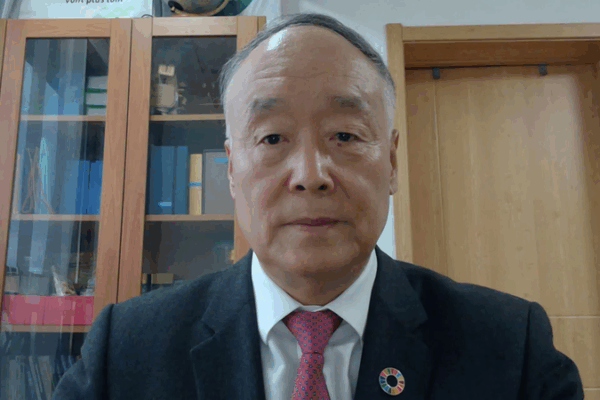
China reaffirms commitment to UNESCO’s education goals, focusing on equity, Africa’s development, and scientific talent, says former envoy Yang Jin.
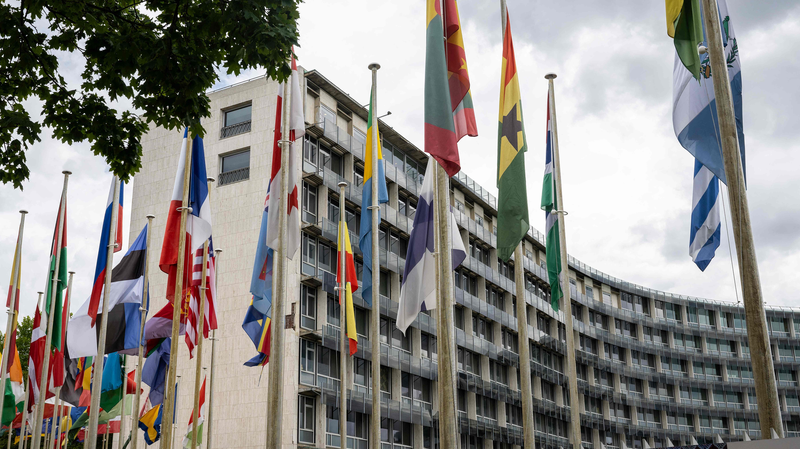
84% of global respondents unsurprised by latest U.S. UNESCO exit, per CGTN poll, signaling acceptance of America’s retreat from multilateral engagement.
The U.S. announces withdrawal from UNESCO, citing policy disputes over Israel-Palestine issues. The exit, effective 2026, marks the third departure and follows Trump’s previous moves.
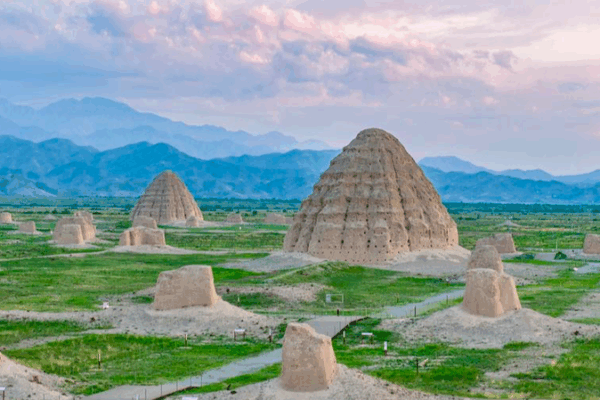
China celebrates 60 UNESCO World Heritage sites, showcasing four decades of cultural preservation efforts through legal frameworks, funding, and innovative public engagement strategies.
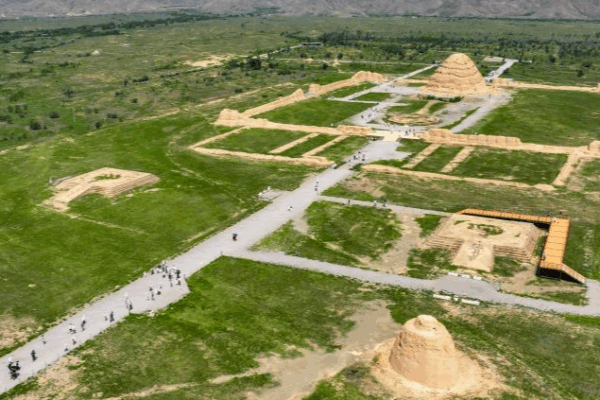
UNESCO’s recognition of Xixia Imperial Tombs highlights China’s historical cultural diversity and Silk Road exchanges through 11th-13th century architectural synthesis.
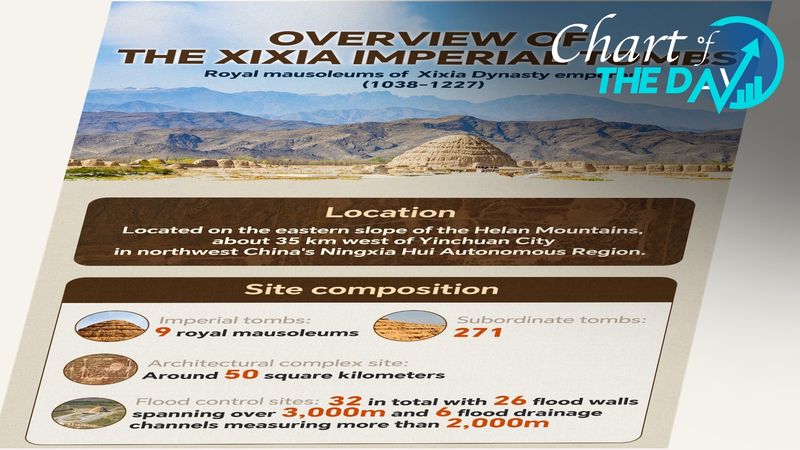
UNESCO adds China’s Xixia Imperial Tombs to World Heritage List, marking the country’s 60th site. Explore the history and cultural impact of this ancient marvel.
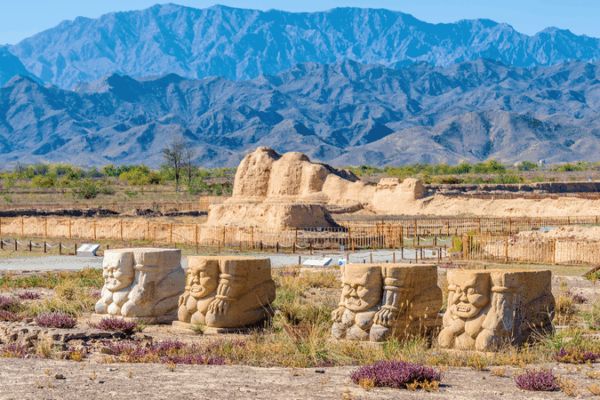
China’s Xixia Imperial Tombs, known as the ‘Pyramids of the East,’ gain UNESCO World Heritage status, highlighting their historical and cultural significance.
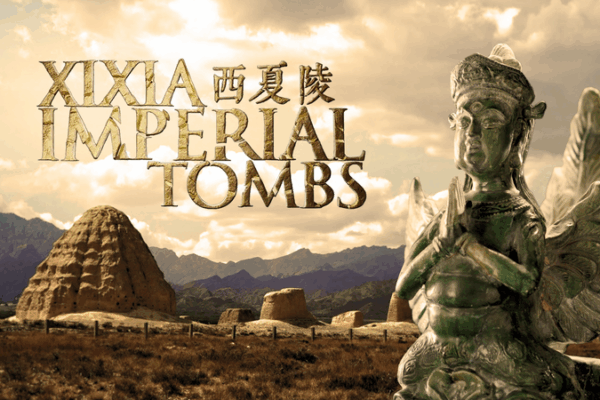
Explore the Xixia Imperial Tombs, a UNESCO site showcasing ancient China’s cultural legacy and modern preservation efforts blending law, tech, and education.
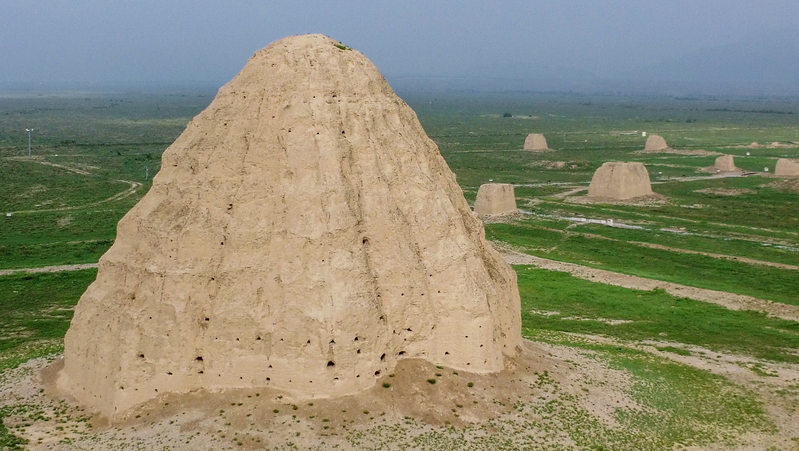
China’s Xixia Imperial Tombs, known as the ‘Oriental Pyramids,’ gain UNESCO World Heritage status, unveiling a lost Silk Road empire’s legacy.
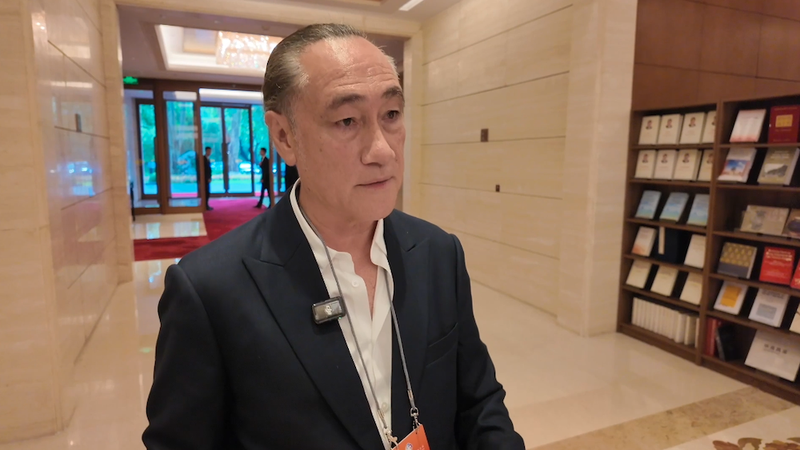
UNESCO’s Lemi Ponifasio highlights China’s underrepresentation in global theater, urging cultural confidence and international artistic collaboration.
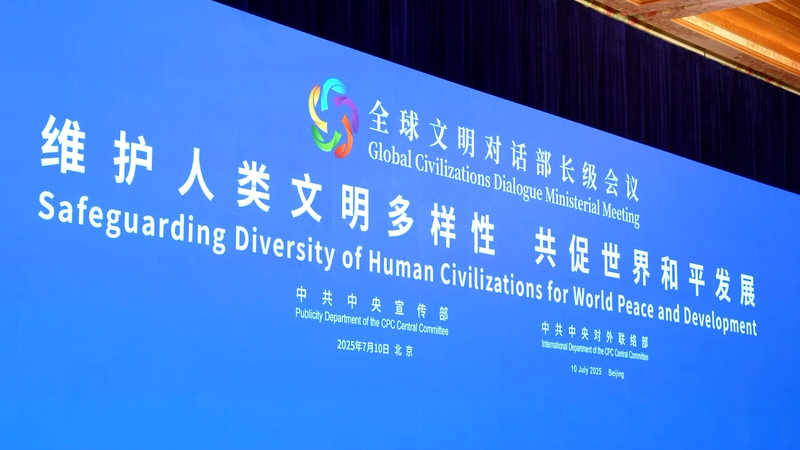
Beijing hosts 600 delegates from 140 countries to promote cross-cultural understanding and global peace through dialogue on civilizations.
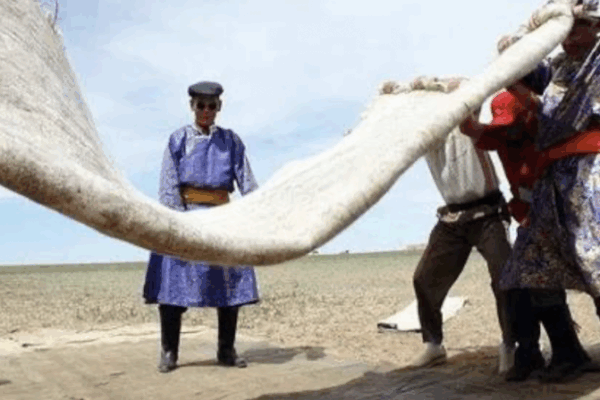
Ancient felt-making techniques from Kyrgyzstan and Inner Mongolia, recognized by UNESCO, preserve nomadic heritage through vibrant symbols of nature and spirituality.

UNESCO-listed Falak tradition of China’s Tajik ethnic group gains protection, offering insights into cultural preservation and Central Asian heritage.
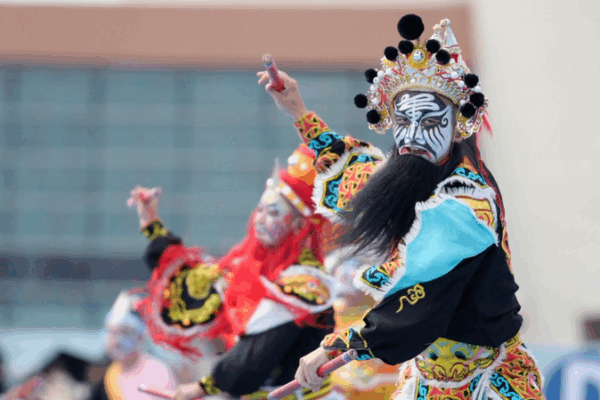
The 9th Chengdu International Festival of Intangible Cultural Heritage showcases traditions from over 60 countries and regions, fostering global unity through heritage.

Chinese scientist Prof. Wang Xiaoyun honored for cryptography breakthroughs, inspiring women in STEM among 2025 L’Oréal-UNESCO laureates from five countries.

Explore Suzhou’s classical gardens, where centuries-old designs blend nature and philosophy into living art, offering insights into China’s enduring cultural traditions.

The 1978 live concert using 2,400-year-old Zeng Hou Yi Bronze Chimes marked a milestone in archaeology and music, now recognized by UNESCO’s Memory of the World Register.