

Xinjiang’s Cultural Heritage Thrives Under New Protection Measures
A new white paper highlights Xinjiang’s progress in preserving cultural heritage, with 195 protection institutions and UNESCO-recognized intangible heritage items.
News & Insights Across Asia
A new white paper highlights Xinjiang’s progress in preserving cultural heritage, with 195 protection institutions and UNESCO-recognized intangible heritage items.

Hangzhou will host UNESCO’s 5th World Congress of Biosphere Reserves, marking the event’s first Asian edition with 4,000 global delegates attending.

Lebanese ceramicist Samar Mougharbel uses Jingdezhen ceramics to explore eternal human memory, blending art and history in UNESCO-backed residency.
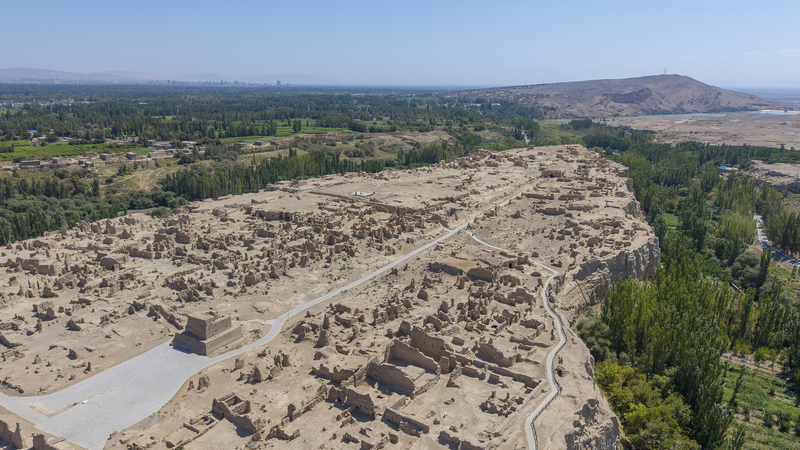
Xinjiang’s Jiaohe Ruins, a UNESCO World Heritage Site, unveil 2,300 years of Silk Road history through groundbreaking preservation and cultural tourism initiatives.
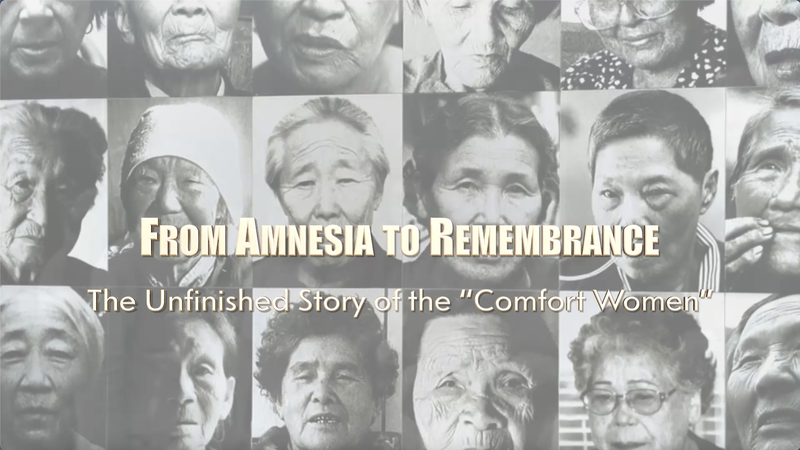
As WWII ‘comfort women’ survivors dwindle, their fight for justice continues. Global efforts seek UNESCO recognition and Japan’s formal apology, preserving history for future generations.
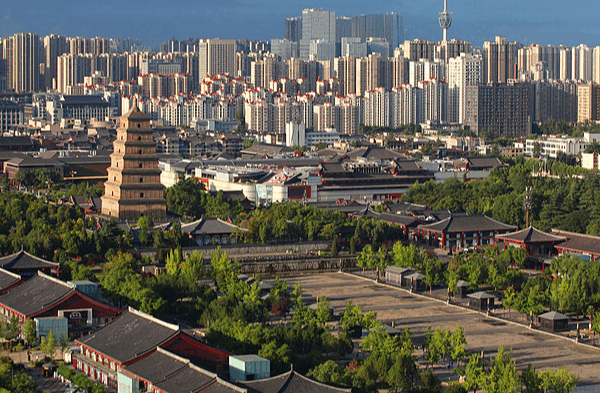
Explore the Dayan Pagoda, a Tang Dynasty marvel in Xi’an and UNESCO World Heritage Site, blending history, spirituality, and Silk Road legacy.
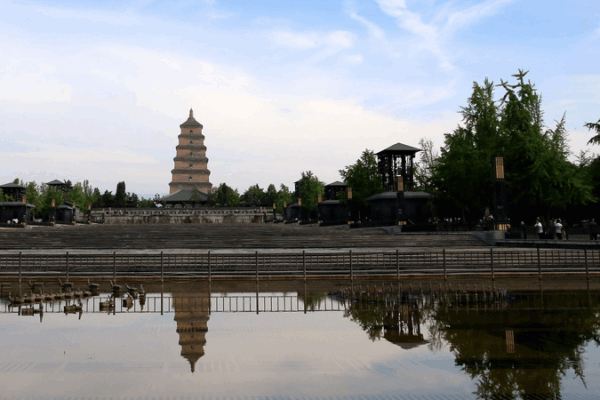
Discover Xi’an’s 1,300-year-old Dayan Pagoda, a Tang Dynasty marvel and UNESCO World Heritage Site along the historic Silk Road corridor.
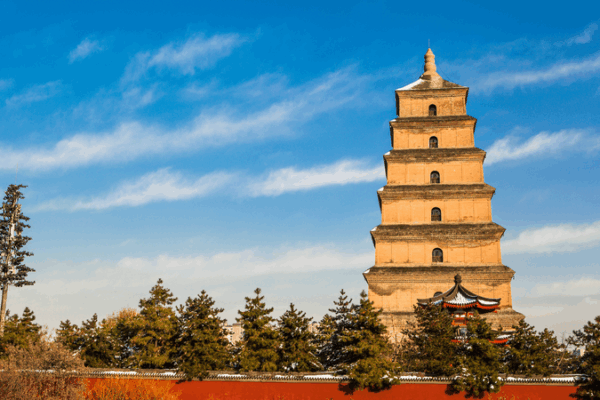
Explore Xi’an’s 1,300-year-old Dayan Pagoda, a Tang Dynasty marvel and UNESCO World Heritage Site embodying Silk Road history and Buddhist cultural exchange.
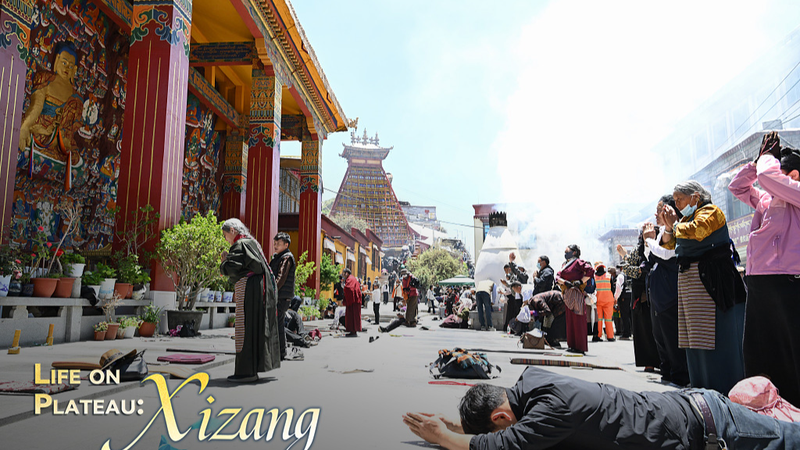
Xizang Autonomous Region sees record 63 million visitors in 2024, blending cultural preservation with sustainable tourism growth on the Qinghai-Xizang Plateau.
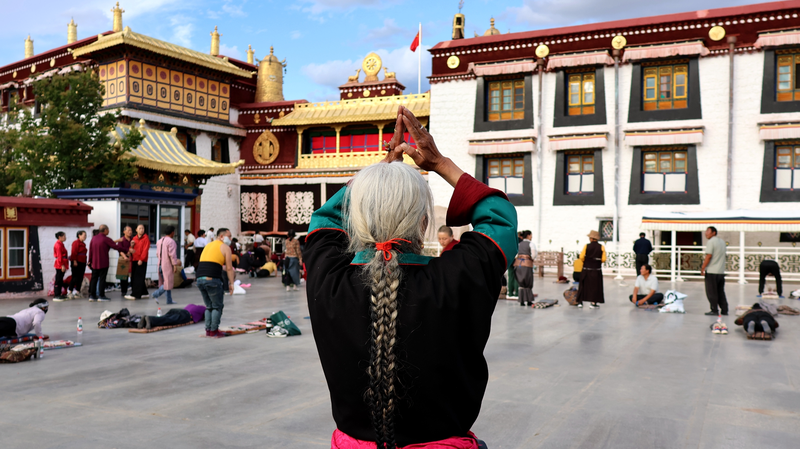
Jokhang Temple in Lhasa, a UNESCO site, embodies 1,300 years of Tibetan Buddhist devotion, showcasing Xizang’s vibrant cultural heritage and spiritual vitality.
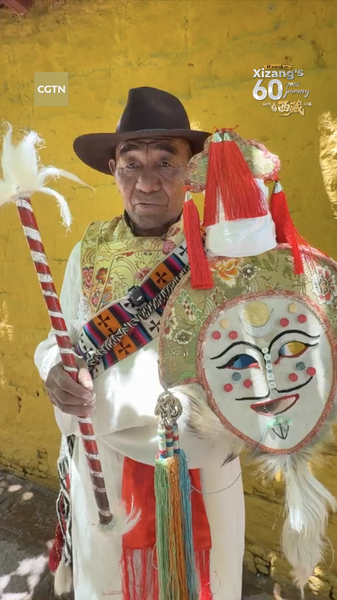
Explore Tibetan Opera, a UNESCO-listed art blending music, dance, and storytelling, reflecting centuries of tradition and hope in Asia’s cultural landscape.
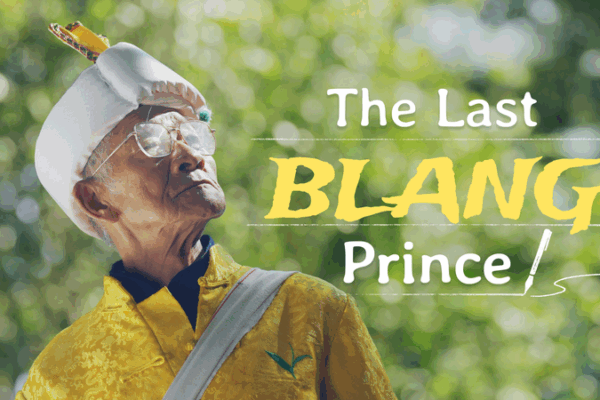
Su Guowen, last Blang prince, transforms oral traditions into UNESCO-recognized heritage, preserving Jingmai Mountain’s ancient tea culture for future generations.
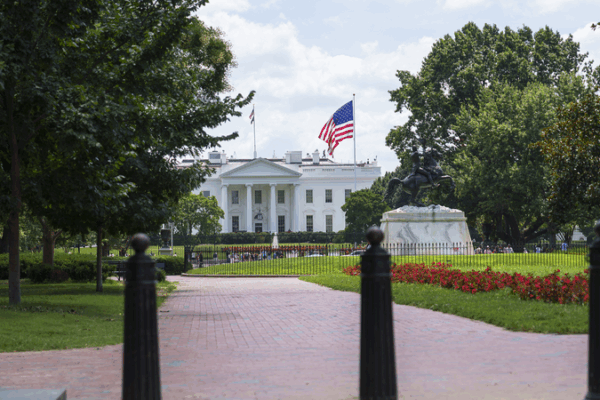
The U.S. withdrawal from UNESCO and other international bodies sparks debate on its commitment to global cooperation and climate goals.

Explore China’s 12th-century Anping Bridge, a 2km stone marvel of the Maritime Silk Road now recognized by UNESCO, showcasing ancient engineering brilliance.
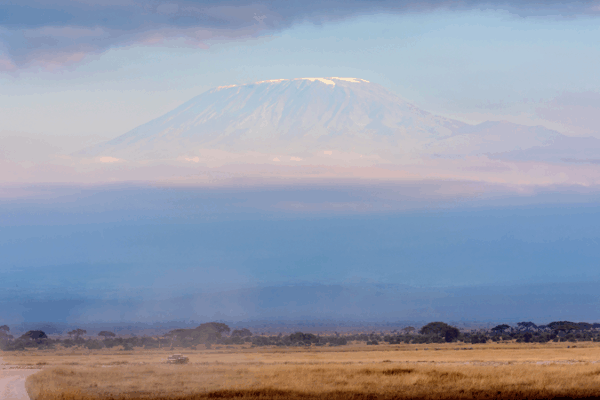
UNESCO leads a high-altitude mission to Mount Kilimanjaro to study rapid glacier melt, highlighting climate threats to vital water sources in Africa and Asia.
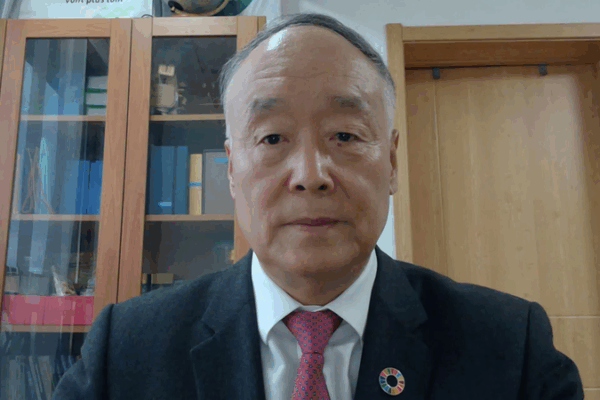
China reaffirms commitment to UNESCO’s education goals, focusing on equity, Africa’s development, and scientific talent, says former envoy Yang Jin.
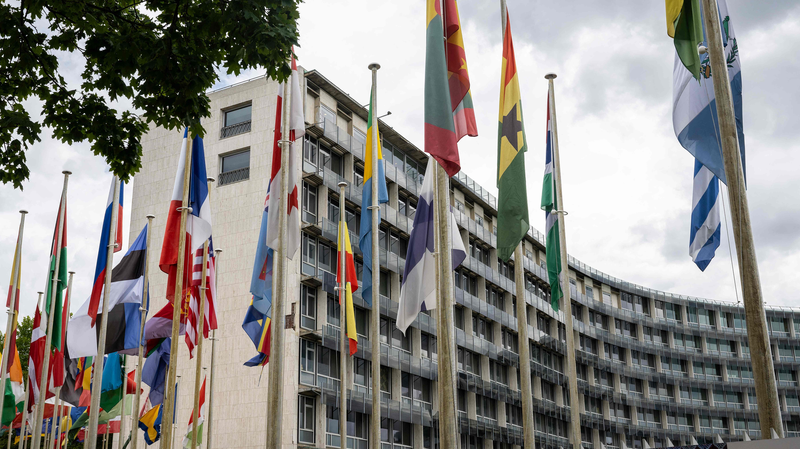
84% of global respondents unsurprised by latest U.S. UNESCO exit, per CGTN poll, signaling acceptance of America’s retreat from multilateral engagement.
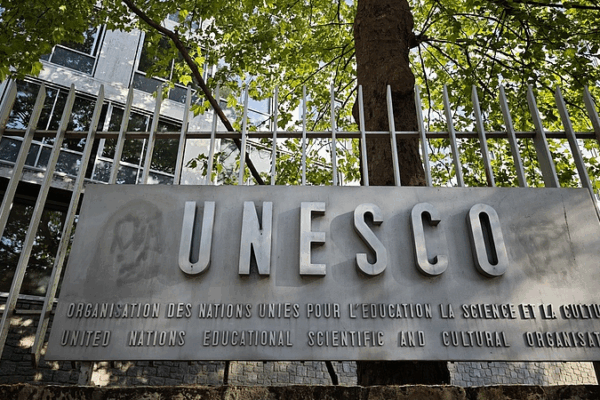
The U.S. announces withdrawal from UNESCO, citing policy disputes over Israel-Palestine issues. The exit, effective 2026, marks the third departure and follows Trump’s previous moves.
China celebrates 60 UNESCO World Heritage sites, showcasing four decades of cultural preservation efforts through legal frameworks, funding, and innovative public engagement strategies.
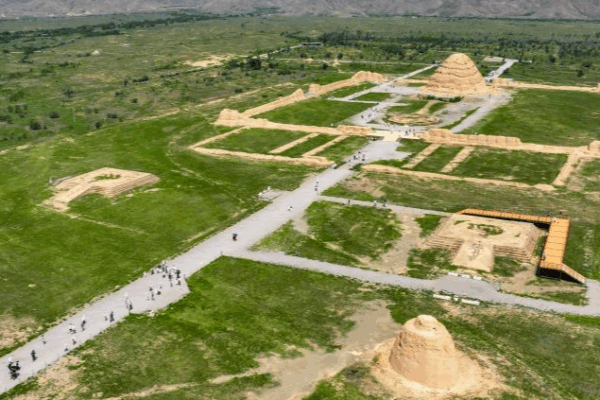
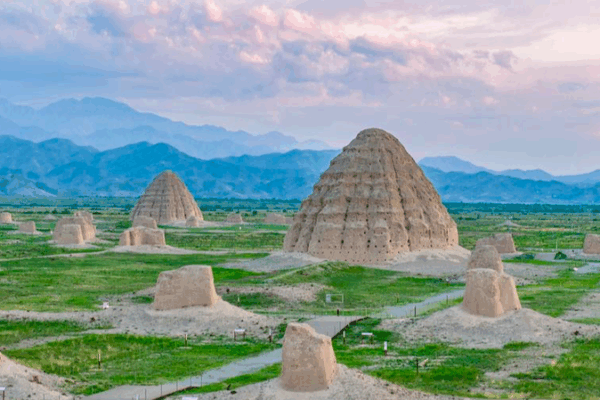
UNESCO’s recognition of Xixia Imperial Tombs highlights China’s historical cultural diversity and Silk Road exchanges through 11th-13th century architectural synthesis.