
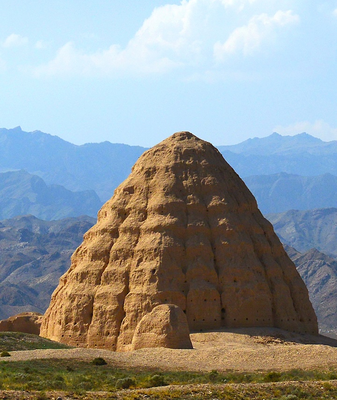
Xixia Imperial Tombs Earn UNESCO Recognition as China’s 60th World Heritage Site
China’s Xixia Imperial Tombs gain UNESCO World Heritage status, marking the country’s 60th listed site and showcasing 11th-century cultural achievements.
News & Insights Across Asia
China’s Xixia Imperial Tombs gain UNESCO World Heritage status, marking the country’s 60th listed site and showcasing 11th-century cultural achievements.
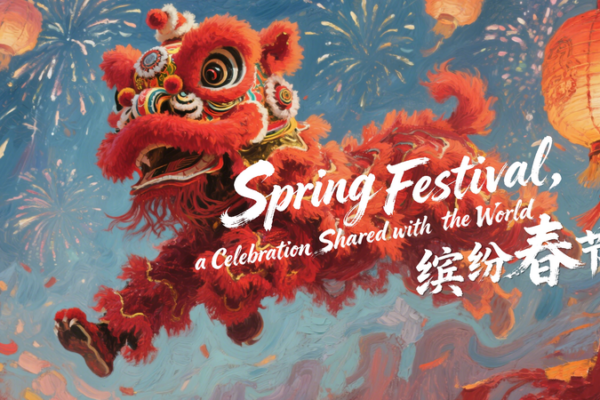
China’s Spring Festival, recognized by UNESCO in 2024, evolves into a global cultural phenomenon blending ancient rituals with modern innovation.
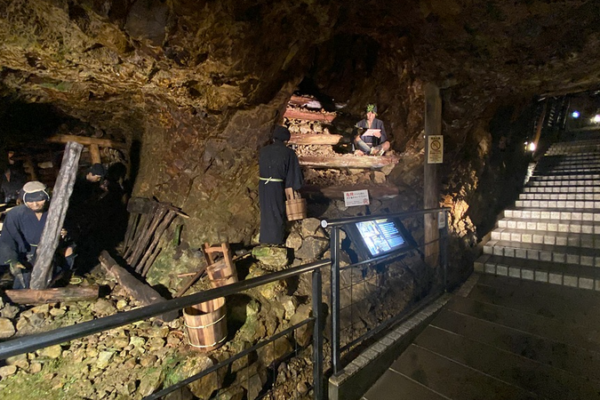
South Korea calls on Japan to fulfill commitments on acknowledging forced labor history at UNESCO-listed Sado Island Gold Mines, amid ongoing diplomatic talks.

Macao launches a major international cultural forum on December 16, 2025, coinciding with the 20th anniversary of its UNESCO World Heritage status, fostering global dialogue on heritage preservation.

UNESCO adds China’s Hezhen Yimakan storytelling to its Intangible Cultural Heritage list, recognizing preservation success and cultural significance.

Explore the historic Fujian tulou in Yongding, inspiring the hometown in Disney’s Mulan and ‘Big Fish & Begonia,’ and a symbol of Hakka culture and UNESCO heritage.

Explore the Jinghang Grand Canal in Zhejiang Province, a UNESCO World Heritage site that plays a vital role in China’s economic growth and cultural heritage.
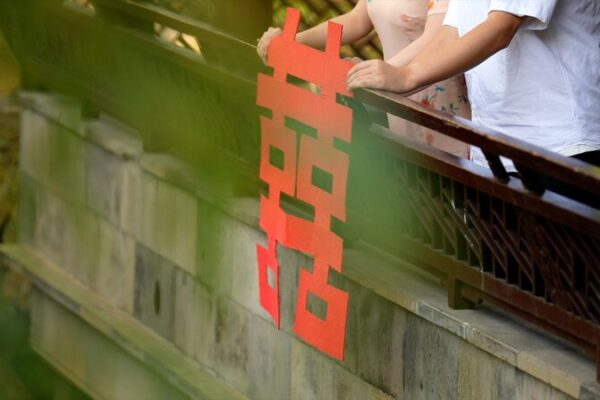
The UNESCO-listed classical gardens of Suzhou are becoming ideal wedding destinations, offering couples picturesque venues and even a marriage registration office at the Couple’s Garden.

The Spring Festival, or Chinese New Year, has been recognized by UNESCO as an Intangible Cultural Heritage of Humanity. Beijing’s Chinese Traditional Culture Museum celebrates with a special ‘Guo Nian’ exhibition.
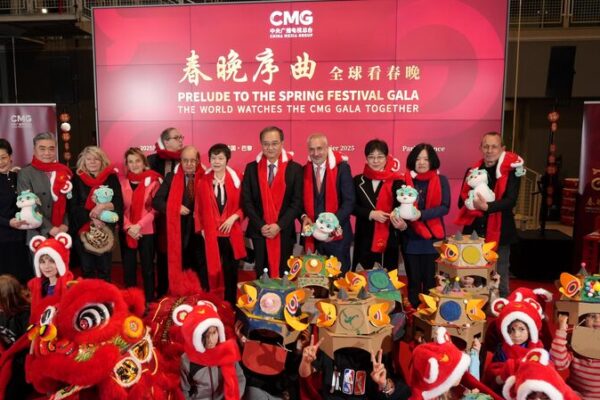
China Media Group hosted a ‘Prelude to the Spring Festival Gala’ event in Paris, highlighting the global recognition of the Spring Festival as a major celebration worldwide.
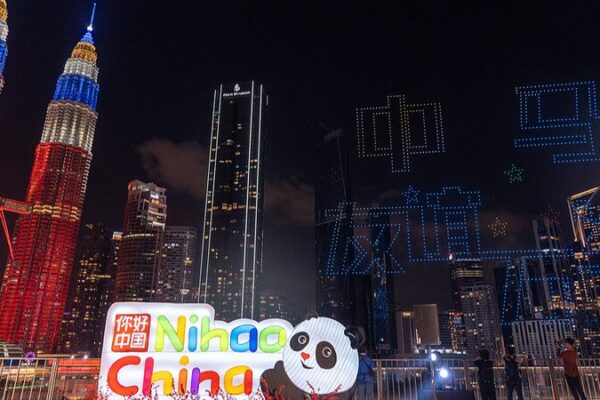
Malaysia hosts the 2025 ‘Happy Chinese New Year’ global launch, featuring worldwide artists and marking the start of festive celebrations in over 100 countries.
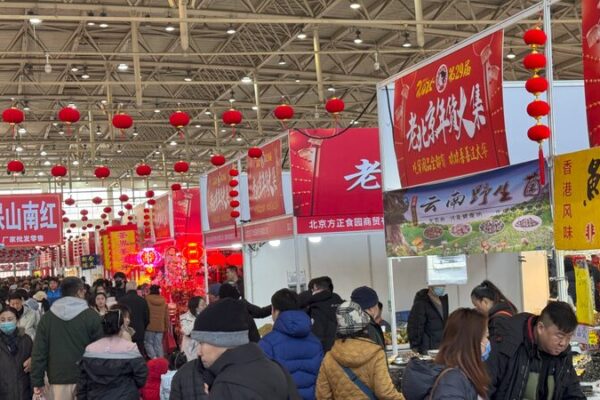
Discover how Beijing locals prepare for the UNESCO-recognized Spring Festival, exploring vibrant markets and timeless traditions in China’s most important holiday.
Beijing’s Central Axis, a symbol of China’s rich heritage, has been added to the UNESCO World Heritage List. Explore how this historic route embodies centuries of history and the efforts to preserve it for future generations.

Discover Wuyi Mountain National Park, a UNESCO Heritage site on the border of Fujian and Jiangxi provinces, famed for its unique biodiversity and cultural significance. Explore its beauty on a bamboo raft journey.

Langzhong Ancient Town celebrated the Spring Festival with vibrant folk activities, following UNESCO’s recognition of the festival as an intangible cultural heritage, offering visitors an authentic cultural experience.
The Chinese New Year has been officially recognized as part of Humankind’s Intangible Cultural Heritage by UNESCO, highlighting its cultural significance worldwide.
The 2025 Spring Festival marks a historic first as it celebrates both the Year of the Snake and its new status on UNESCO’s Intangible Cultural Heritage list.

Discover how the reflections on a tranquil lake transform Nanjing’s Xiaoling Mausoleum into a painting-like wonderland, blending history, culture, and nature into a living masterpiece.
Tiaozini Wetland in Jiangsu Province dazzles with ever-changing tidal flats and rich biodiversity, serving as a sanctuary for migratory birds and a UNESCO World Natural Heritage Site.
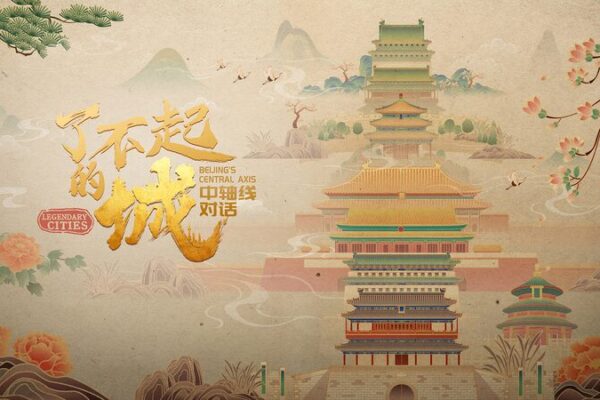
Beijing’s Central Axis, embodying a rich heritage and historical culture, was included in the UNESCO World Heritage List in July. CGTN’s Tian Wei explores its global significance in cultural preservation.