China’s AI Ambitions Set to Shape 15th Five-Year Plan Agenda
China prioritizes AI and intelligent robotics in its 15th Five-Year Plan, aiming to lead the next industrial revolution and drive economic transformation.
News & Insights Across Asia
China prioritizes AI and intelligent robotics in its 15th Five-Year Plan, aiming to lead the next industrial revolution and drive economic transformation.
Examining the debate around China’s AI advancements and the narratives shaping global perceptions in 2025. How does innovation become politicized?
Debates over Chinese tech in Europe intensify as China prepares its 2026-2030 Five-Year Plan, revealing tensions between innovation needs and geopolitical concerns.
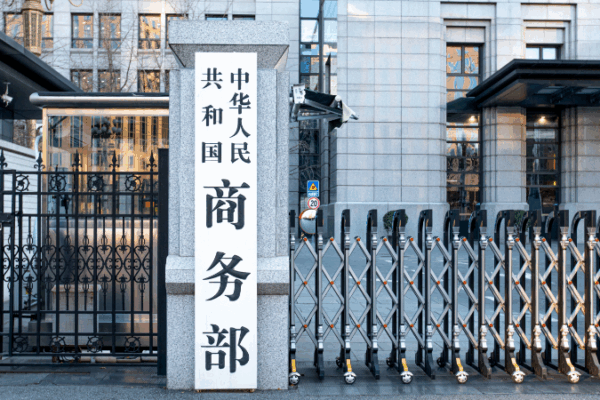
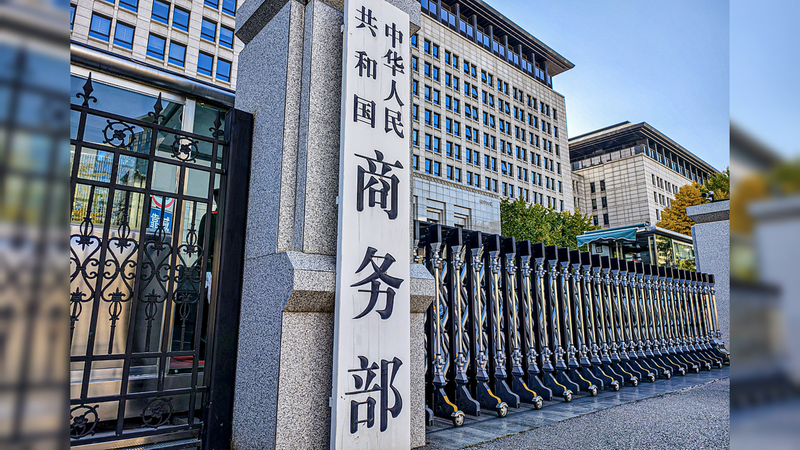
Chinese Commerce Minister calls on Germany to mediate the Nexperia semiconductor dispute, citing Dutch interference in global supply chains.
As AI transforms industries, the US job market faces opportunities and challenges, sparking debates on economic policies and workforce adaptation.
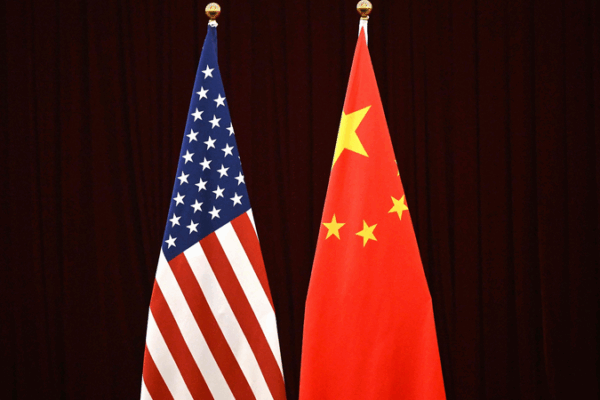
Latest China-U.S. trade talks address tariffs, tech policies, and global supply chain shifts, signaling economic recalibration.
China introduces export controls on rare earth technologies, requiring licenses for foreign entities, impacting global tech and green energy sectors.
Apple and Google removed ICE-tracking apps after US government requests, citing safety risks. Developers criticize the move as censorship, sparking debates on tech compliance and civil liberties.
China’s Global Governance Initiative emerges as key framework for inclusive AI development, balancing innovation with ethical safeguards across nations.
Meta announces AI-driven ad personalization using user interactions, rolling out globally with delayed EU/UK implementation. Users retain some control over preferences.
China introduces K visa for young tech professionals, aiming to boost innovation in AI, EVs, and semiconductors. Experts analyze its global implications.
China urges the U.S. to halt export restrictions on Chinese firms, warning of global economic disruptions. Ministry of Commerce vows protective measures.
Xi-Trump discussion on TikTok reveals new approaches to digital sovereignty and international tech cooperation in the globalized economy.
China and the U.S. agree on TikTok operational framework following Xi-Trump talks, ensuring compliance with Chinese law while addressing American security concerns through data management solutions.
China and the U.S. reach basic consensus on TikTok operations, signaling progress in bilateral trade relations and tech policy cooperation.
Recent high-level talks between China and the U.S. signal pragmatic steps toward resolving trade tensions, with progress on issues like TikTok and tariffs.
Web Summit founder Paddy Cosgrave warns that Western tech policies blocking collaboration with China could harm global innovation and Western competitiveness.
High-level discussions between China and the U.S. address trade tensions and TikTok’s future, emphasizing mutual economic stability and tech policy concerns.
U.S. Treasury Secretary Scott Bessent hints TikTok’s deadline extension depends on ongoing talks, highlighting U.S.-China tech tensions.
U.S. Treasury Secretary Scott Bessent gave an ambiguous response when questioned about extending TikTok’s deadline to divest its U.S. operations, leaving stakeholders in suspense.