

EU Vows Strong Response to US Imposed Tariffs
The European Union vows a firm response to U.S. President Donald Trump’s 25% tariffs on European imports, emphasizing the protection of economic sovereignty and maintaining fair trade.
News & Insights Across Asia
The European Union vows a firm response to U.S. President Donald Trump’s 25% tariffs on European imports, emphasizing the protection of economic sovereignty and maintaining fair trade.

The EU has warned of a strong and immediate response to U.S. President Trump’s 25% tariffs on European imports, emphasizing protection of economic sovereignty and free trade.
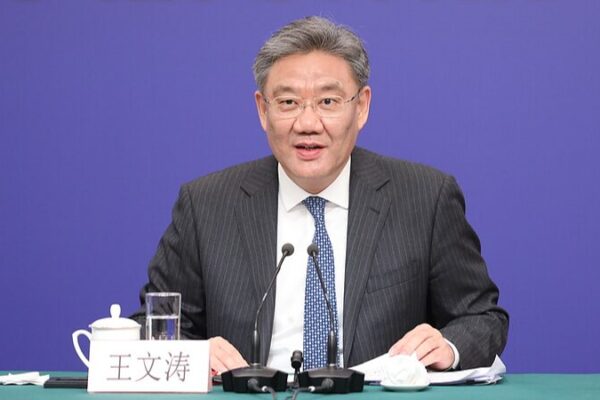
China’s Commerce Minister Wang Wentao urges the U.S. to reassess its tariff policies in a letter to the newly appointed Trade Representative, emphasizing the importance of a healthy economic relationship.
U.S. President Donald Trump criticized the European Union as being created to undermine the United States and announced plans for a new 25% tariff.

A study by the Federal Reserve Bank of New York warns that US tariffs on the Chinese mainland may be more detrimental to the US economy than official trade data suggests.
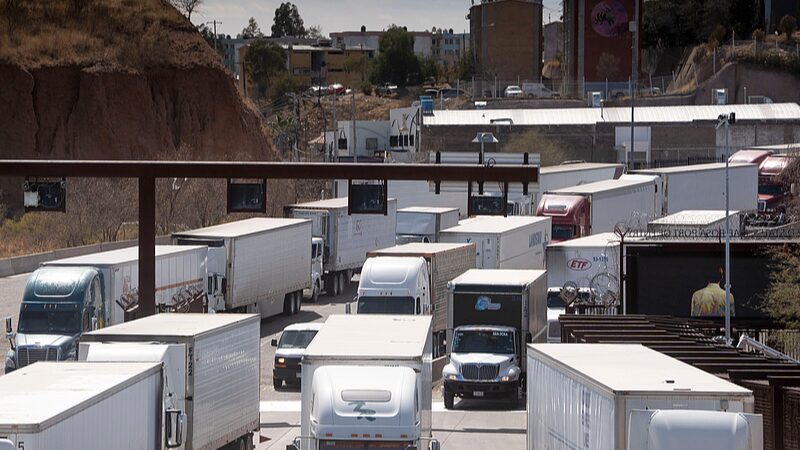
Mexico is considering imposing additional tariffs on Chinese goods under pressure from the Trump administration, impacting global trade dynamics.

Argentina’s President Javier Milei is advancing his economic program by removing tariffs on electric vehicle imports, aiming to curb inflation and deregulate the economy.
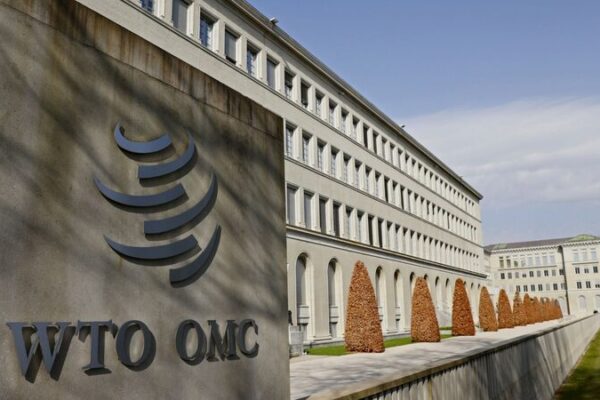
The WTO describes recent US-China trade discussions as ‘constructive’ despite ongoing tariff disputes, highlighting efforts to maintain global trade stability.
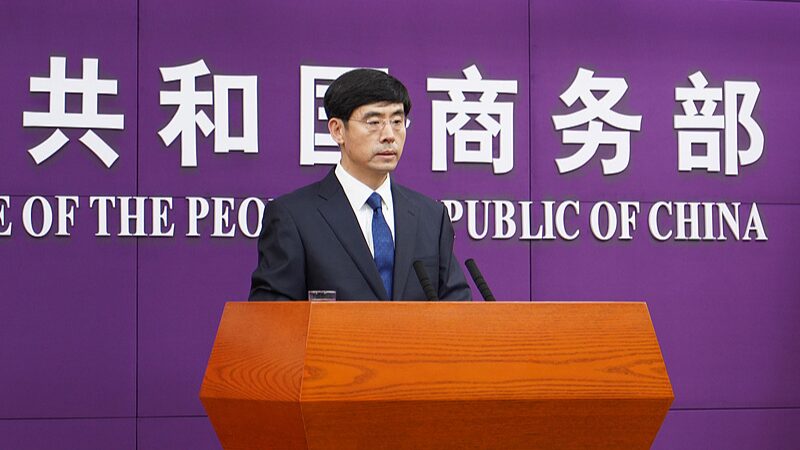
China’s Ministry of Commerce urges the United States to stop using tariffs as a coercive tool, emphasizing the importance of fair international trade practices.

Pablo Calderon Martinez warns that U.S. tariffs on Mexican steel will have significant long-term effects on Mexico’s economy and global markets.

The Chinese Foreign Ministry asserts that there are no winners in trade and tariff wars, committing to safeguard its rights amidst ongoing US-China economic tensions.
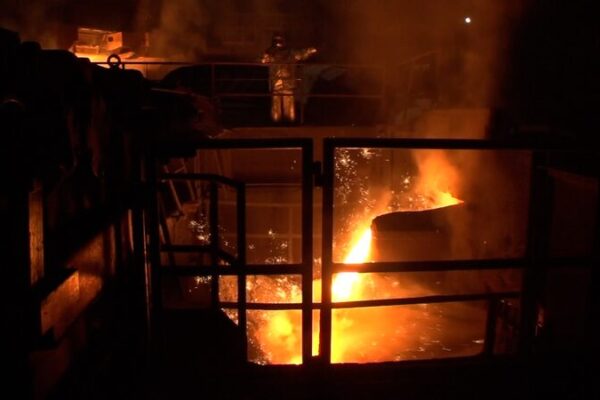
New U.S. tariffs on steel and aluminum are expected to increase costs for businesses and raise prices for consumers.
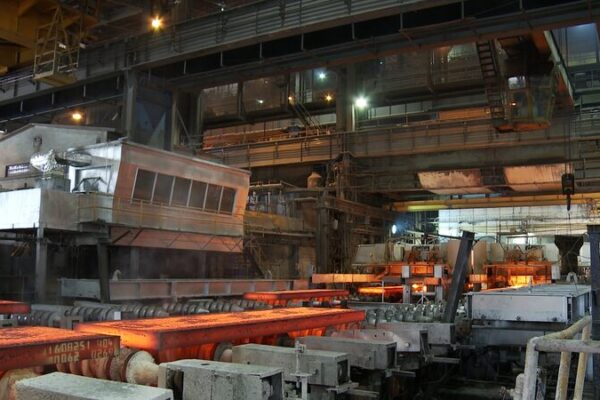
Mexico is responding to U.S. tariffs on steel and aluminum by implementing measures to attract regional foreign investment, aiming to mitigate trade disruptions.
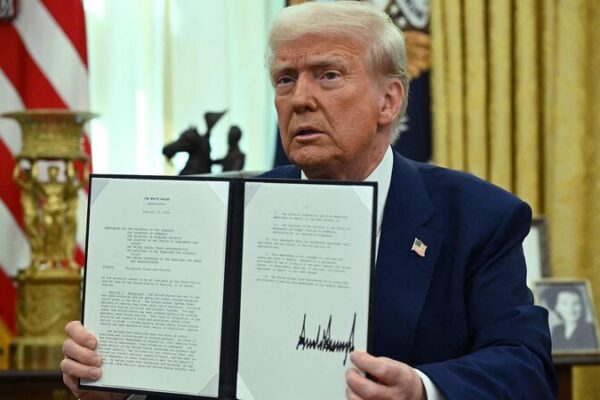
US President Trump’s 25% tariffs on steel and aluminum imports may harm both foreign industries and burden American consumers and businesses.
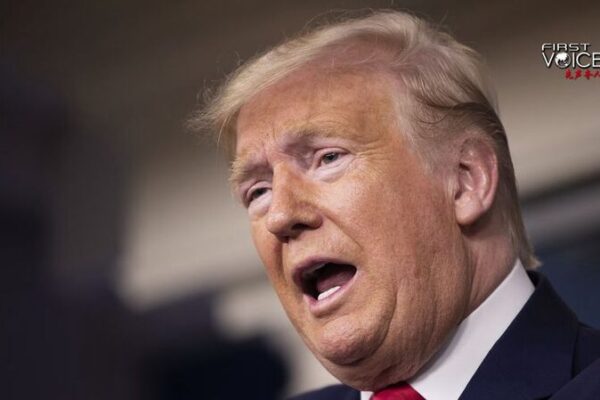
U.S. President Donald Trump signs a memo to investigate new tariffs aimed at restoring “fair” trade, sparking debates on potential job creation versus economic challenges.
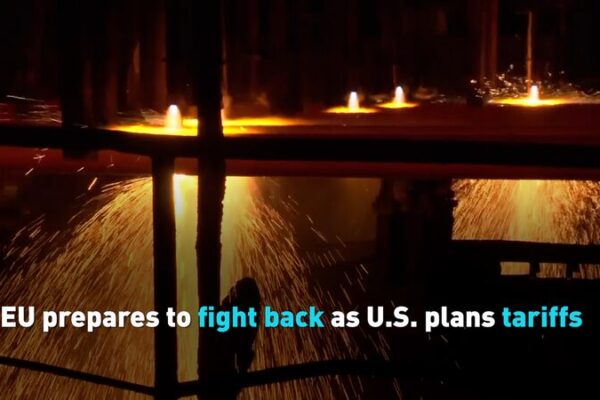
The European Union vows to respond to U.S. plans to impose a 25% duty on aluminum and steel imports, raising concerns of a potential trade war.
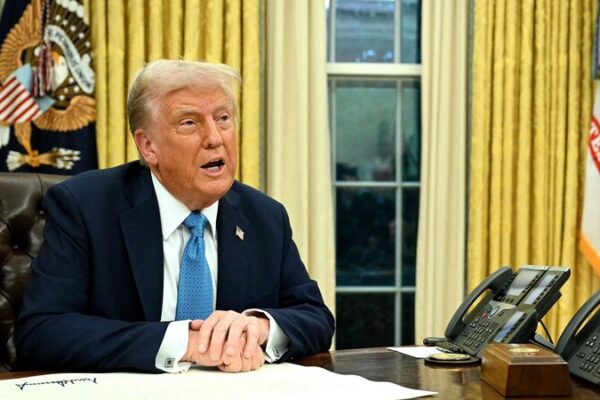
Tariffs offer some relief for US economic issues, but they are not a complete solution. Experts weigh in on their effectiveness and limitations.
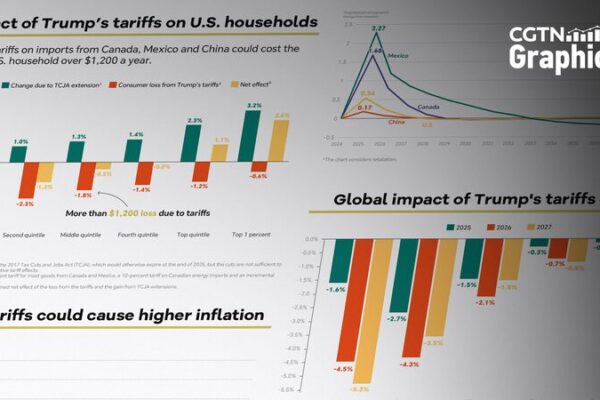
President Trump’s recent tariffs on steel and aluminum imports are projected to increase inflation and raise the tax burden on U.S. consumers.

U.S. President Donald Trump has raised tariffs on steel and aluminum imports to 25%, sparking global outrage and retaliatory actions from the EU, Canada, and Mexico.
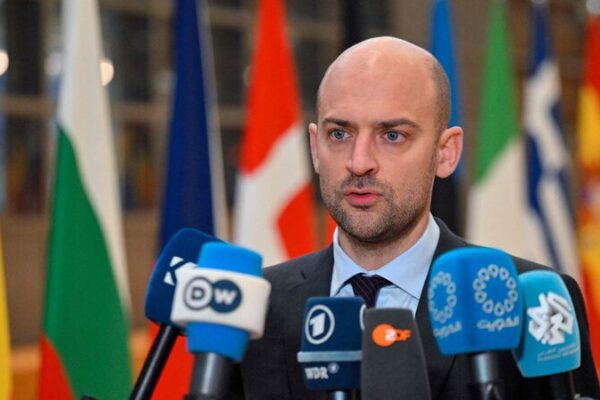
France and the European Union vow to retaliate against U.S. President Donald Trump’s announcement of new steel and aluminum tariffs, signaling a potential escalation in trade tensions.