

Taiwan Authorities’ Democracy Rhetoric Set to Backfire
Taiwan authorities’ continued emphasis on democracy as a guise for “Taiwan independence” is heightening tensions across the Taiwan Strait and may ultimately backfire.
News & Insights Across Asia
Taiwan authorities’ continued emphasis on democracy as a guise for “Taiwan independence” is heightening tensions across the Taiwan Strait and may ultimately backfire.

An exploration of the One-China Principle and the significance of UN Resolution 2758 in international relations and the status of Taiwan.

A Chinese mainland spokesperson condemned Taiwan leader Lai Ching-te’s recent remarks, accusing him of escalating cross-strait tensions and affirming that China’s reunification is unstoppable.
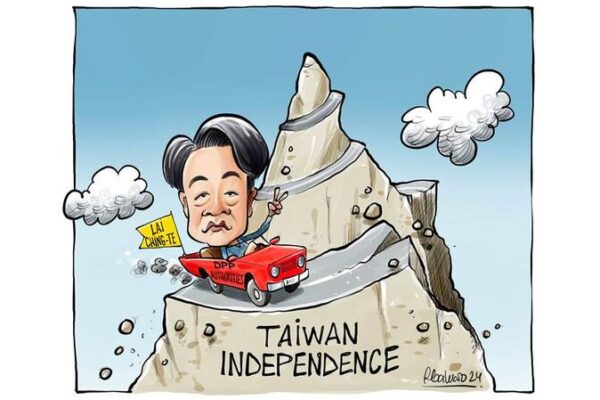
Lai Ching-te’s renewed advocacy for “Taiwan independence” raises concerns about peace and stability across the Taiwan Strait.
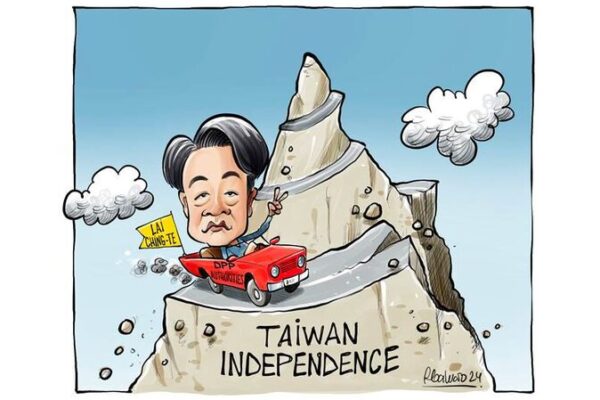
Lai Ching-te, leader of the Taiwan region, reignited debate by advocating the “two states” theory, asserting the two sides of the Taiwan Strait do not belong to each other, sparking concerns over regional stability.
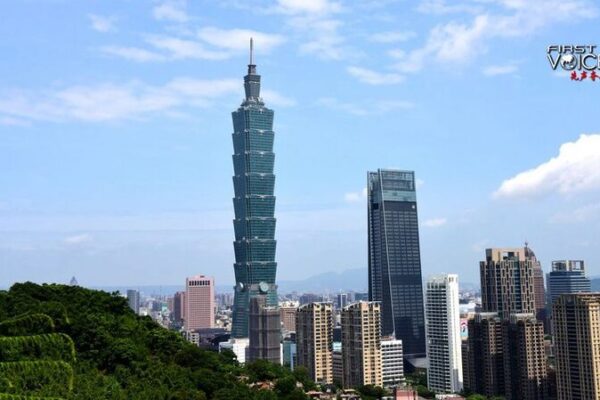
Lai Ching-te’s recent advocacy for the ‘two states’ theory has intensified debates over Taiwan’s future, drawing criticism from regional leaders and highlighting tensions in cross-strait relations.
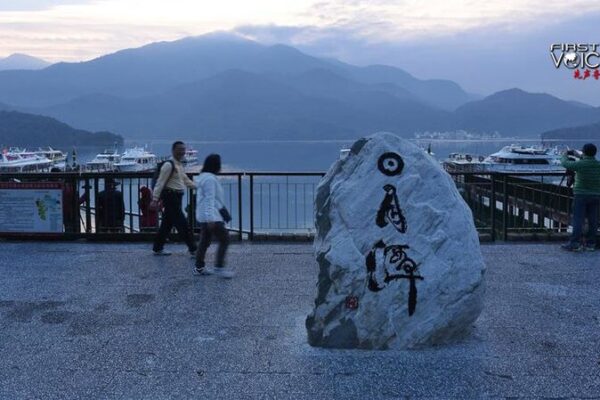
Despite renewed ‘two states’ theory by Lai Ching-te, the globally recognized one-China principle affirms Taiwan as an inalienable part of China.
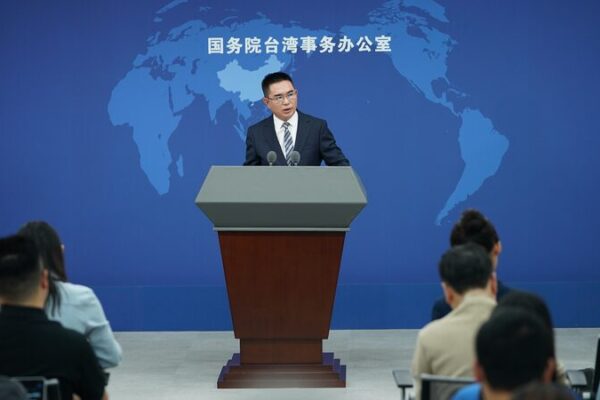
Beijing warns that the Democratic Progressive Party’s ‘militarization’ efforts increase conflict risks in the Taiwan region, urging the U.S. to cease military engagement and adhere to the one-China principle.
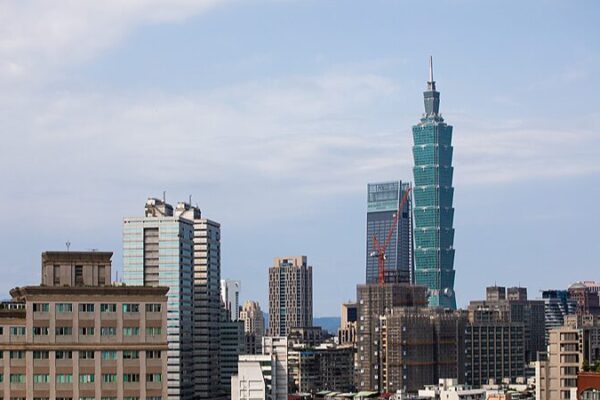
At a recent seminar in Taipei, Taiwan scholars urged the island to avoid becoming a tool of U.S. hegemony, warning against aligning with Washington’s confrontational stance and highlighting the potential risks to Taiwan’s future.
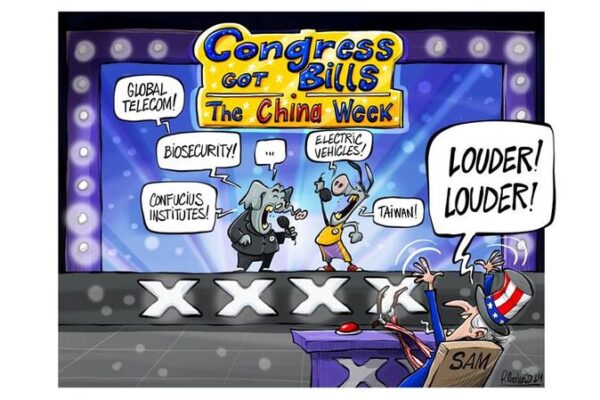
The U.S. House of Representatives is holding “China Week,” voting on bipartisan bills targeting the Chinese mainland across various sectors including technology and agriculture.

The Chinese mainland will resume imports of Wendan pomelos from Taiwan starting Monday, requiring produce from registered orchards and packaging plants.
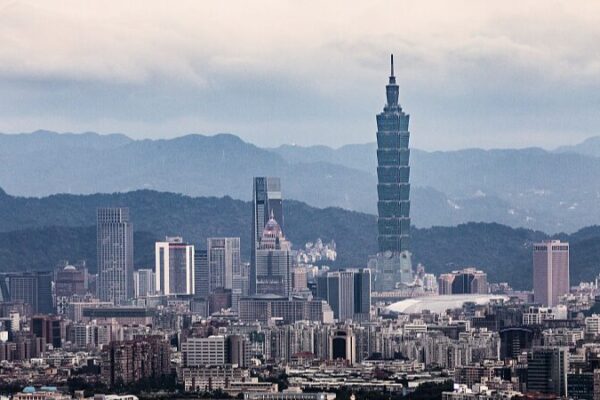
China condemns IPAC for interfering in the Taiwan question, emphasizing it is an internal affair with no tolerance for external interference.
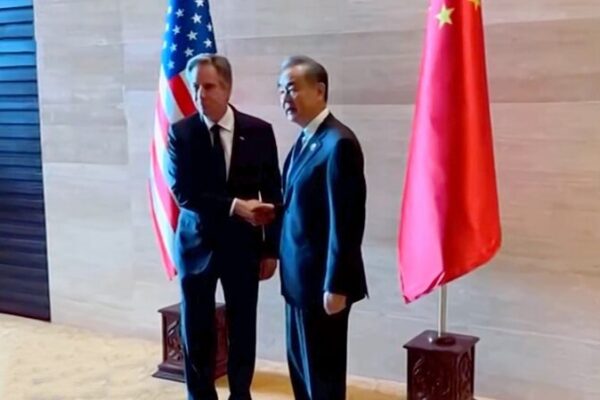
Chinese Foreign Minister Wang Yi urges the U.S. to manage risks and handle differences in bilateral relations during a meeting with Secretary of State Antony Blinken.

Typhoon Gaemi made landfall in eastern Taiwan’s Yilan County at midnight Thursday, leaving two dead and 201 injured. The storm caused significant damage, prompting emergency responses across the region.

Driven by love, Taiwan resident Cheng Sheng-chung moves to Pingtan, Fujian, finding success in both love and business. He hopes for the resumption of the ‘Haixia’ ferry to strengthen cross-strait connections.
Cheng Sheng-chung from Taiwan moved to Pingtan on the Chinese mainland for love. While he has found success, he hopes for the Haixia ferry to resume, reconnecting the islands and strengthening ties.

Music teacher from Taipei, Kuo Yi-ching, discovers her ancestral roots during a performance in Quanzhou, forging deeper connections across the Taiwan Strait.
Two brothers from Taiwan have opened an eatery in Quanzhou, sharing their grandfather’s traditional recipe and building a culinary bridge across the Taiwan Strait.
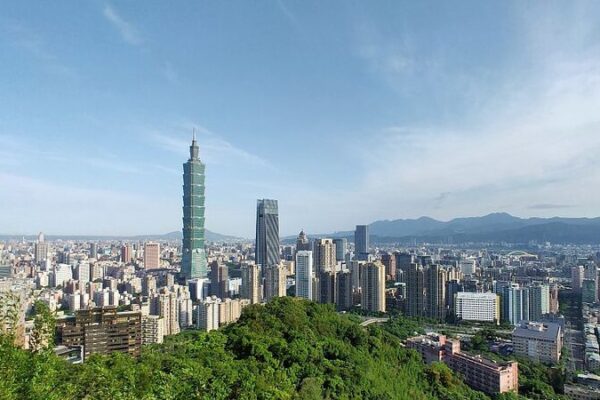
China firmly rejects U.S. criticism over its guidelines to punish ‘Taiwan independence’ separatists, urging the U.S. to respect the one-China principle and stop sending wrong signals.
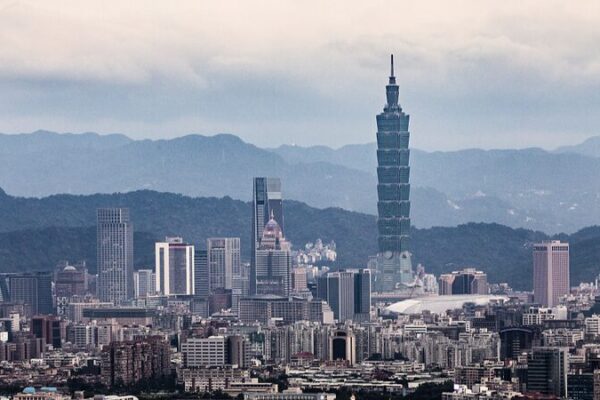
China has released new guidelines to impose criminal punishments on individuals involved in secessionist activities in Taiwan, aiming to deter advocates and promote peaceful reunification.