
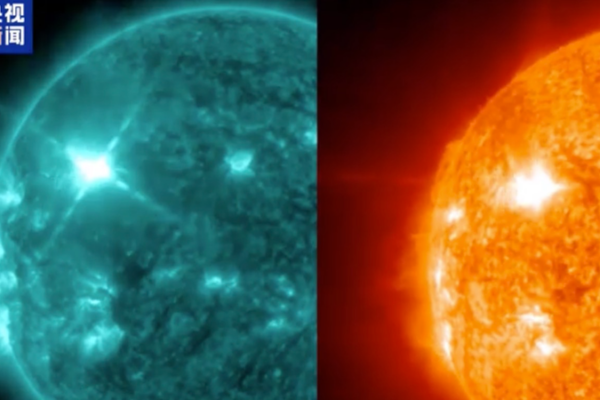
X8.1 Solar Flare: Strongest Eruption Since 2024 Recorded in Asia
A powerful X8.1 solar flare – the strongest since October 2024 – erupted on February 2, 2026, with potential impacts on aviation and communications systems across Asia.
News & Insights Across Asia
A powerful X8.1 solar flare – the strongest since October 2024 – erupted on February 2, 2026, with potential impacts on aviation and communications systems across Asia.

A geomagnetic storm on November 12, 2025, caused rare auroras over northern China, with the Kp index reaching 9. Scientists explain the celestial phenomenon’s link to solar activity.

Rare auroras dazzle skies in northeast China’s Heilongjiang following an unexpected geomagnetic storm, sparking scientific interest.
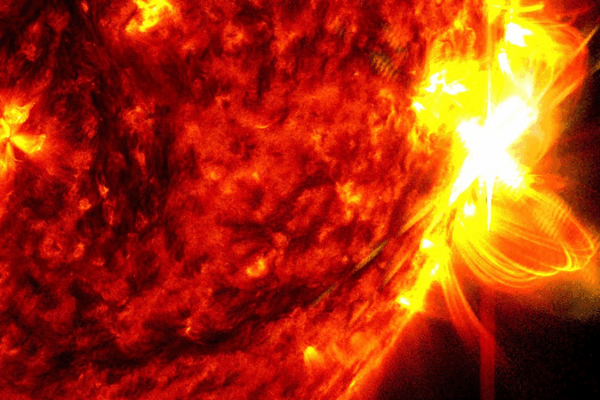
NASA’s latest study reveals an unexpected rise in solar activity, challenging earlier predictions and highlighting implications for global technology and space operations.

China debuts ‘FengYu,’ the world’s first AI-driven full-chain space weather model, enhancing global infrastructure protection against solar storms.
NASA’s TRACERS mission launches twin satellites to study explosive magnetic interactions between solar winds and Earth’s protective magnetosphere.
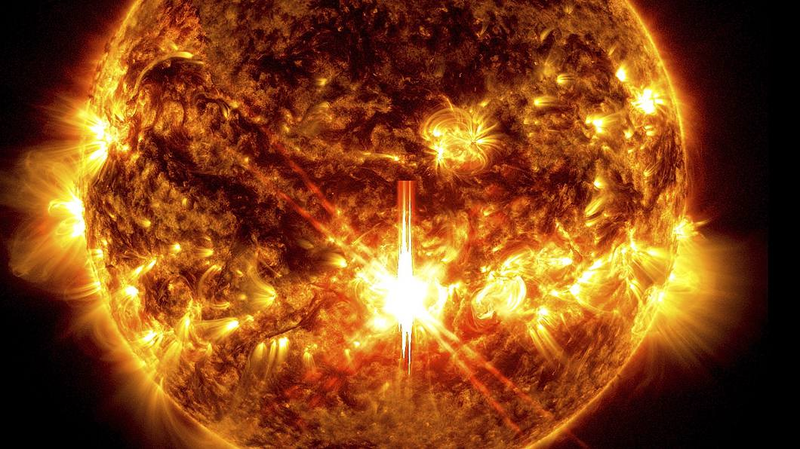
China’s high-altitude solar observatory in Sichuan reaches construction milestone, set to become world’s premier facility for studying solar phenomena by 2026.
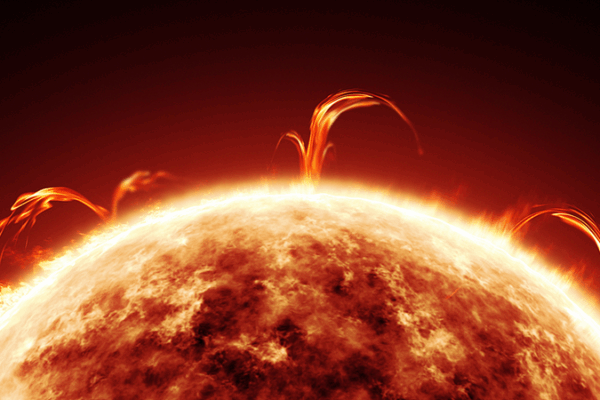
Groundbreaking study reveals solar flares can cause rapid weather changes on planets, with implications for Earth’s climate understanding and exoplanet research.
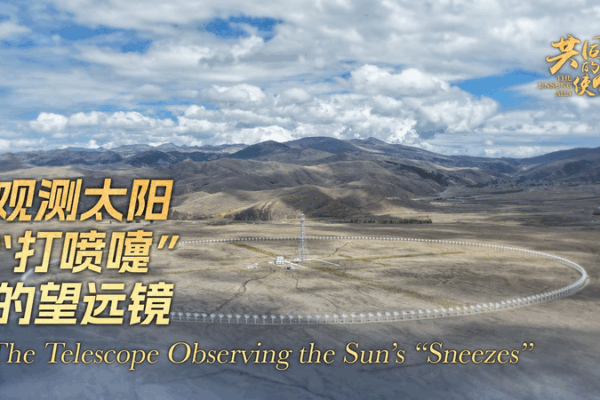
China’s Daocheng Solar Radio Telescope, the world’s largest, monitors solar eruptions to protect global tech systems from space weather threats.
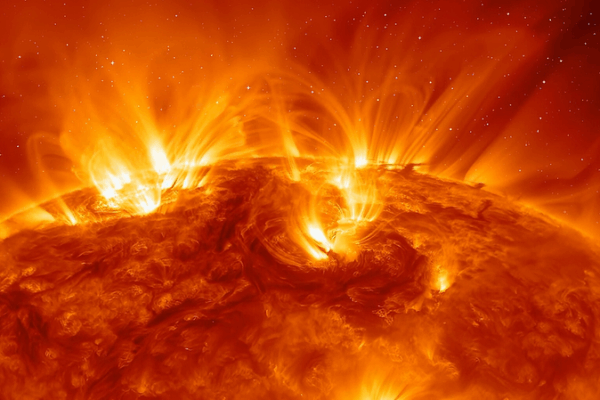
A recent solar flare may trigger geomagnetic storms and auroras, with no health risks. China’s space weather experts explain impacts and solar cycle trends.

China launches FengYun Space, a breakthrough operational system for space weather monitoring and early warnings, unveiled during 2025 China Space Day events.