
China’s Shenzhou-21 Space Mice Yield Breakthrough in Reproduction Study
A mouse from China’s Shenzhou-21 mission gives birth post-spaceflight, offering insights into reproduction in space environments.
News & Insights Across Asia
A mouse from China’s Shenzhou-21 mission gives birth post-spaceflight, offering insights into reproduction in space environments.
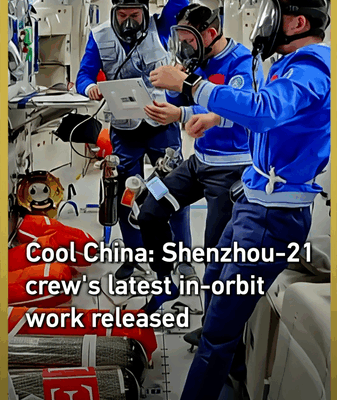
China’s Shenzhou-21 crew conducts microgravity experiments and emergency drills aboard the space station, showcasing advancements in orbital research as of December 2025.
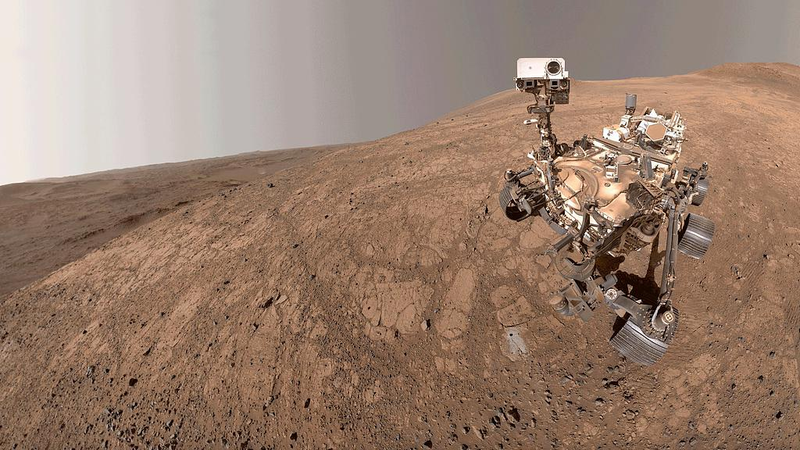
Scientists confirm first-ever detection of “micro-lightning” in Mars’ atmosphere, reshaping understanding of planetary weather systems.
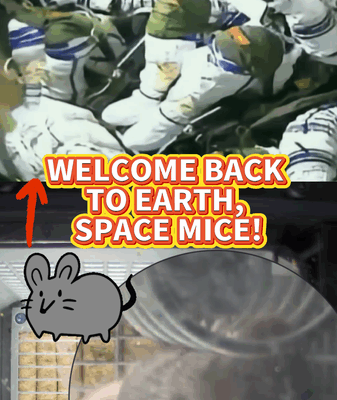
Four mice from China’s Shenzhou-20 mission return safely, aiding research on space’s biological effects for future exploration.
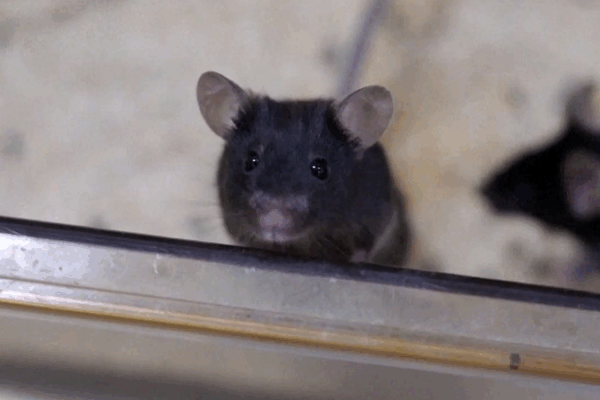
Footage from China’s space station reveals mice thriving in microgravity, offering insights for future human space missions and biomedical advancements.
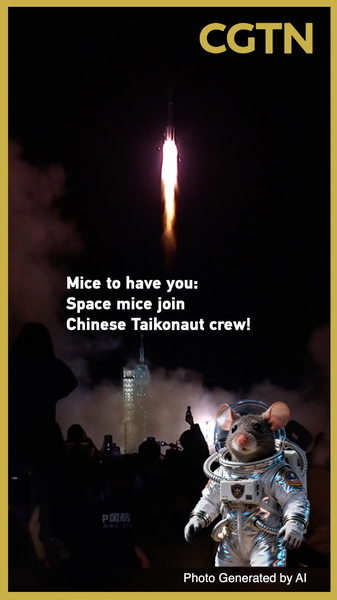
Four specially selected mice join China’s Shenzhou-21 crew for pioneering experiments aboard the Tiangong space station, advancing biotechnology and space medicine research.
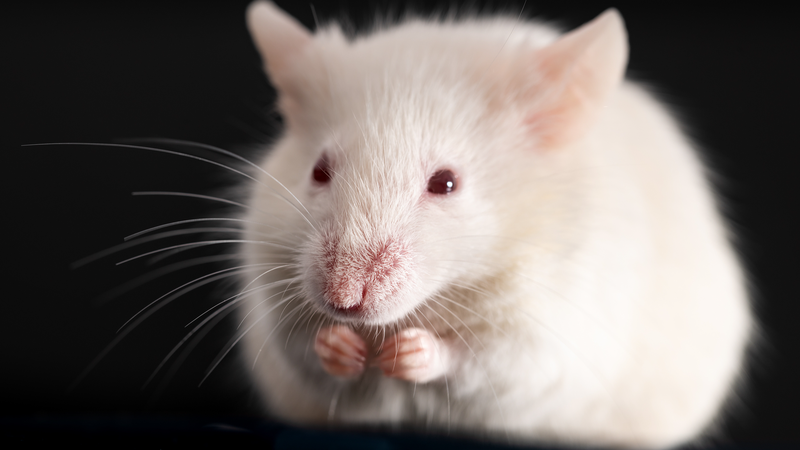
China’s Shenzhou-21 mission to conduct groundbreaking mice experiments on the Tiangong space station, advancing space biomedical research.
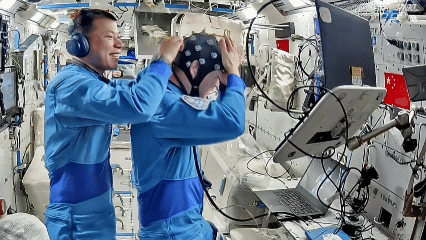
China’s Shenzhou-20 crew approaches mission end after 170 days in orbit, conducting groundbreaking neuroscience research aboard the space station.
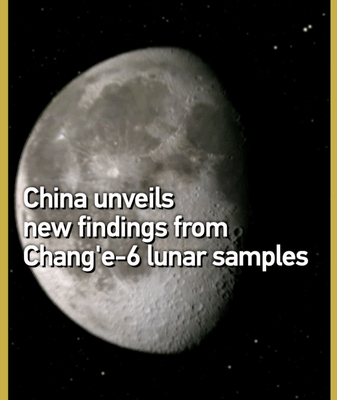
China’s Chang’e-6 mission reveals the moon’s far side mantle is cooler than the near side, offering new insights into lunar volcanic history and internal structure.

China begins constructing the XSMT telescope on the Qinghai-Xizang Plateau, aiming to explore the universe’s hidden secrets by 2027.
A resilient desert moss, Syntrichia caninervis, survives extreme conditions mimicking Mars, offering breakthroughs for space colonization and Earth’s climate resilience.
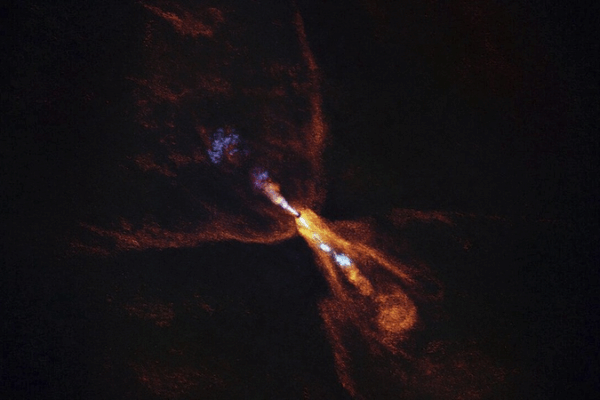
Astronomers capture earliest stages of rocky planet formation around a young star, revealing new insights into solar system origins.
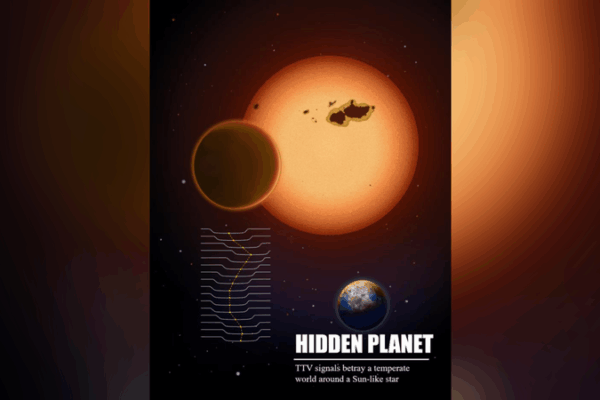
Chinese-German team discovers Earth-sized exoplanet in a star’s habitable zone using innovative TTV method, advancing search for extraterrestrial life.
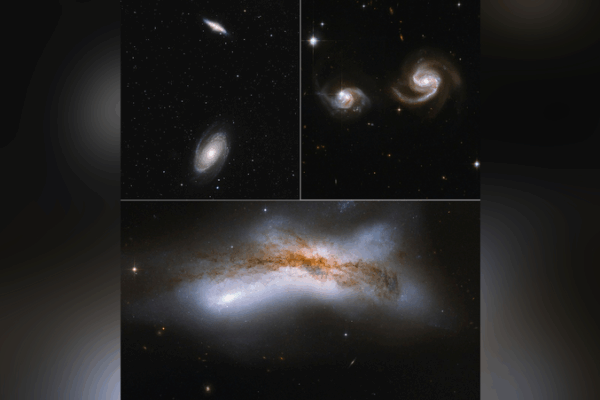
New simulations suggest a 50% chance the Milky Way and Andromeda galaxies will collide, challenging earlier predictions. Earth’s fate remains tied to the Sun’s lifespan.

China’s Shenzhou-19 mission delivers 37.25kg of space samples to scientists, including zero-gravity fruit fly studies and lunar construction materials, unlocking keys to future space colonization.

Fruit flies from China’s space station return to Earth, set to provide groundbreaking biological data for space adaptation research.
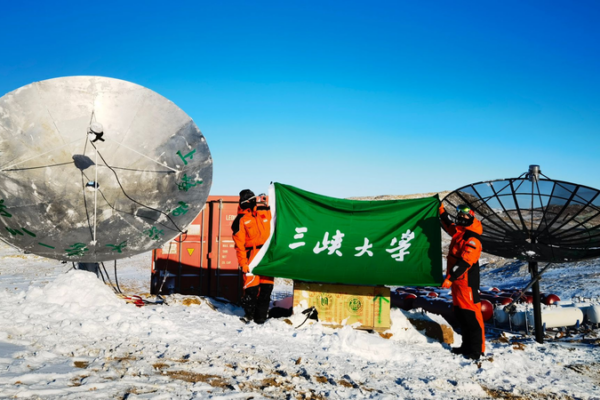
China’s new Three Gorges Antarctic Eye radio telescope, deployed in Antarctica, aims to study star formation and interstellar gas dynamics, marking a leap in polar astronomy.