
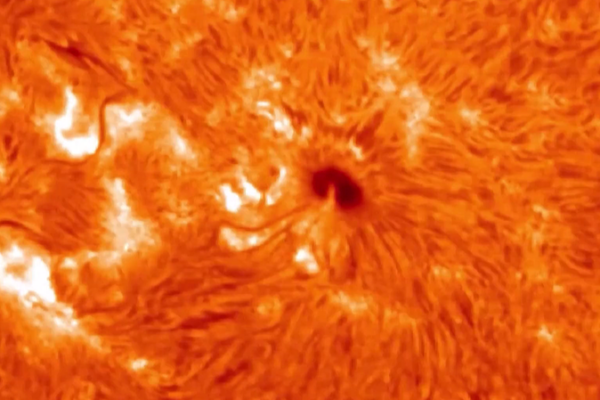
China to Pioneer Solar Research with Xihe-2 Probe at Sun-Earth L5 Point
China announces plans to launch Xihe-2, the world’s first solar probe to the Sun-Earth L5 point, enhancing space weather forecasting by 2028-2029.
News & Insights Across Asia
China announces plans to launch Xihe-2, the world’s first solar probe to the Sun-Earth L5 point, enhancing space weather forecasting by 2028-2029.
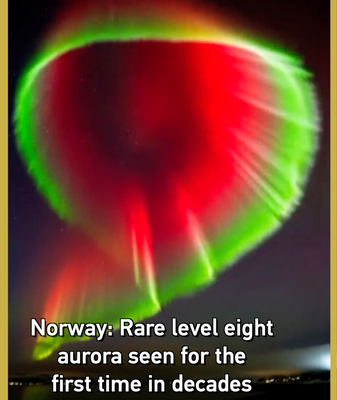
A rare magnitude-eight aurora borealis illuminated Norway’s Arctic skies in January 2026, marking the strongest solar display recorded in nearly three decades.
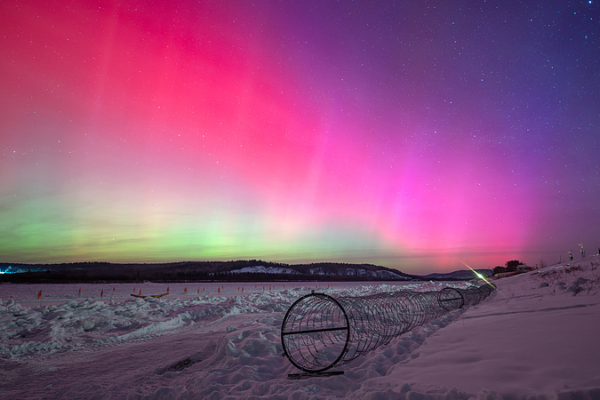
Northern China witnesses rare auroras after 2026’s first X-class solar flare triggers intense geomagnetic storm, captured by Chinese satellites.

Residents in northern China may witness a rare aurora borealis as severe geomagnetic storms are forecast due to increased solar activity, offering a celestial spectacle in the coming days.

A severe solar storm reached Earth on Thursday, posing threats to communication networks and potentially hampering recovery efforts for hurricanes Helene and Milton, according to NOAA.
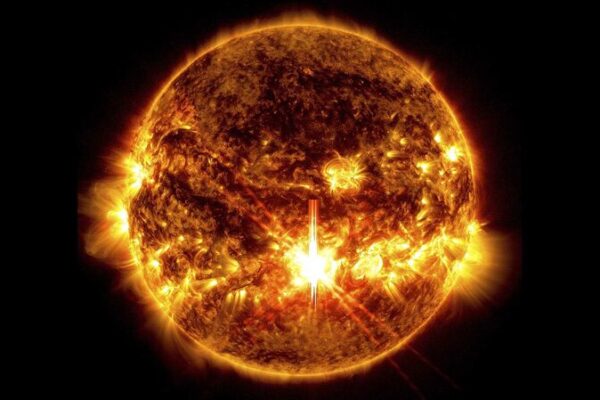
A severe solar storm is expected to strike Earth on Thursday, potentially causing auroras as far south as Alabama and affecting satellites and power grids, according to U.S. forecasters.
U.S. forecasters warn of a severe solar storm expected to strike Earth on Thursday morning, potentially causing auroras as far south as Alabama and affecting satellites and power grids.

Solar storms may cause faint northern lights across the Northern Hemisphere this weekend, as forecasters monitor potential disruptions to power and communications after recent strong solar flares.

Astronomers using the James Webb Space Telescope have unveiled extreme weather patterns on the two brown dwarfs closest to Earth, revealing swirling silicate clouds and intense atmospheric dynamics.
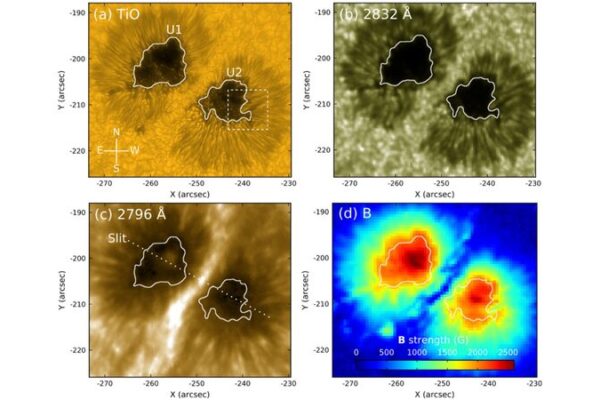
Chinese researchers have uncovered the hidden forces behind umbral waves in sunspots, a breakthrough that enhances our understanding of solar activity and could improve space weather forecasting.

New research reveals that the sun’s magnetic field originates much closer to its surface than previously thought, potentially improving solar storm forecasts that impact Earth’s technology systems.
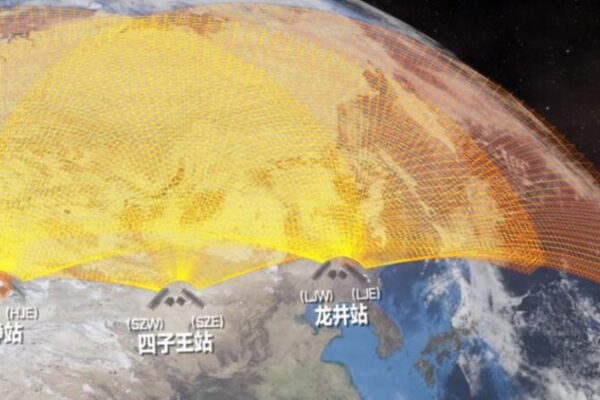
China has released data from its newly completed mid-latitude high-frequency radar network, marking a significant advancement in global space weather forecasting and international scientific collaboration.

A powerful geomagnetic storm lit up the skies over northern China with stunning auroras, affecting communications and GPS navigation. The spectacular light show will continue through the weekend.

An intense solar storm has lit up the skies across Asia and the world this weekend. Discover the science behind the sun’s ‘burps’ and their impact on Earth.
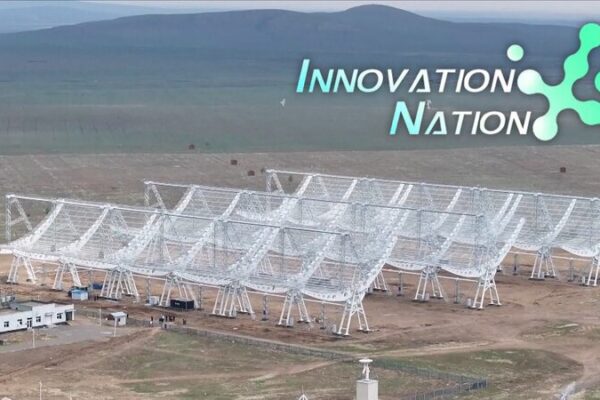
China’s first interplanetary scintillation observation telescope is now ready for operation after passing technical tests, set to provide valuable space weather data for global forecasting.
An unusually strong solar storm could bring the northern lights to skies across the U.S. this weekend, potentially affecting power grids and communications, according to NOAA.

Residents in northern regions of the Chinese mainland witnessed rare and stunning auroras caused by a powerful solar flare, illuminating the night sky with vibrant colors.
Earth was hit by the strongest solar storm since 2003, lighting up skies with auroras and prompting warnings from space agencies worldwide, including China’s.

China’s National Center for Space Weather predicts moderate to high solar activity but assures the public that recent strong solar flares will have minimal impact on Earth due to the planet’s protective magnetic field.

China’s National Satellite Meteorological Center warns of potential communication disruptions due to powerful solar flares expected between May 6 and 8, urging precautions to mitigate impacts.