

China’s Childcare Subsidies Benefit 33 Million Families in 2026
Over 33 million Chinese families with infants under three received childcare subsidies in 2026, boosting social welfare and economic growth, officials announced.
News & Insights Across Asia
Over 33 million Chinese families with infants under three received childcare subsidies in 2026, boosting social welfare and economic growth, officials announced.

President Xi Jinping visited a Beijing elderly care facility on February 10, 2026, emphasizing community-driven support and social welfare improvements.

The prolonged U.S. government shutdown disrupts military pay, air travel, and food aid, highlighting political gridlock and its global implications.

China opens applications for a nationwide childcare subsidy, offering 3,600 yuan annually per child under three to address demographic challenges.
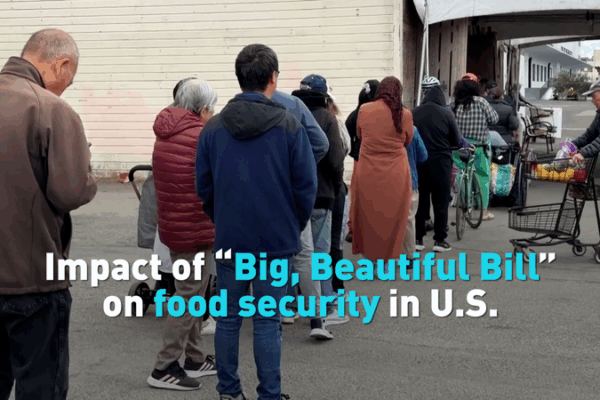
Critics warn the new U.S. tax law may worsen food insecurity, threatening benefits for vulnerable populations amid funding shifts.

China increases fiscal spending by $358B in H1 2025 to boost infrastructure, social welfare, and domestic consumption while stabilizing economic growth.

China introduces 30-point plan to boost consumption through wage growth, market stabilization, and social welfare enhancements, balancing economic and quality-of-life objectives.

China’s National People’s Congress outlines education, healthcare, housing, and employment reforms during its annual session focused on people’s livelihood priorities.
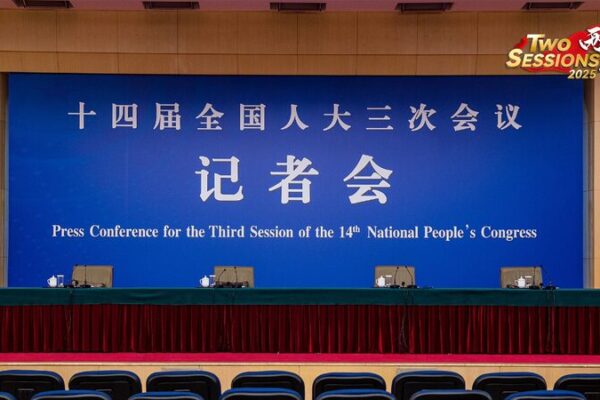
Chinese ministers outline major social welfare expansions on employment, healthcare, housing, and pensions during high-level NPC press conference in Beijing.
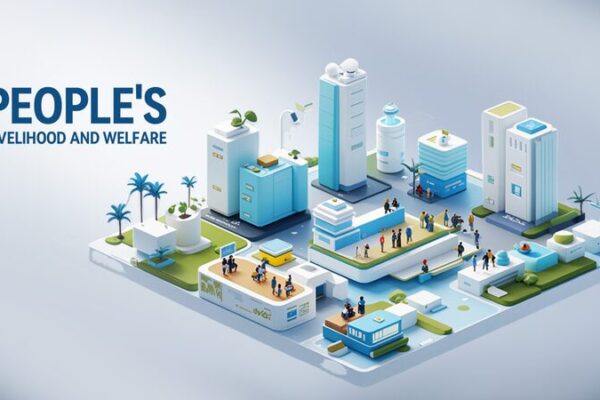
China concludes its 14th Five-Year Plan in 2025 with enhanced public services, income growth, stable employment, and new measures in housing and mental health.

Chinese and U.S. users on RedNote engage in discussions about social welfare, challenging stereotypes and fostering unbiased exchanges.