
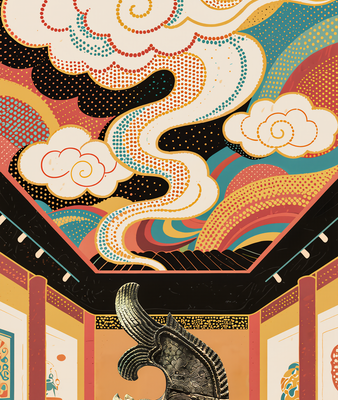
Guardians of History: Chiwen at Xixia Tombs Reveal Silk Road Legacy
A 13th-century Chiwen guardian from the UNESCO-listed Xixia Tombs offers new insights into Silk Road cultural fusion and ancient architectural preservation techniques.
News & Insights Across Asia
A 13th-century Chiwen guardian from the UNESCO-listed Xixia Tombs offers new insights into Silk Road cultural fusion and ancient architectural preservation techniques.

Discover how the legendary Ferghana horse, once the Silk Road’s most coveted treasure, continues to inspire cultural connections across Asia in 2026.
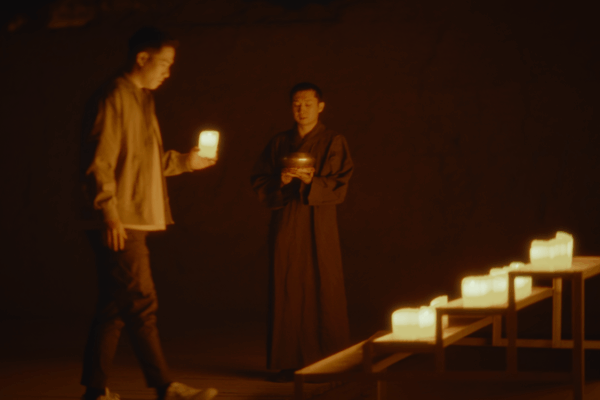
Explore Xinjiang’s Jiaohe Ancient City, a twilight-blue Silk Road relic where immersive performances bring 2,300 years of history to life.
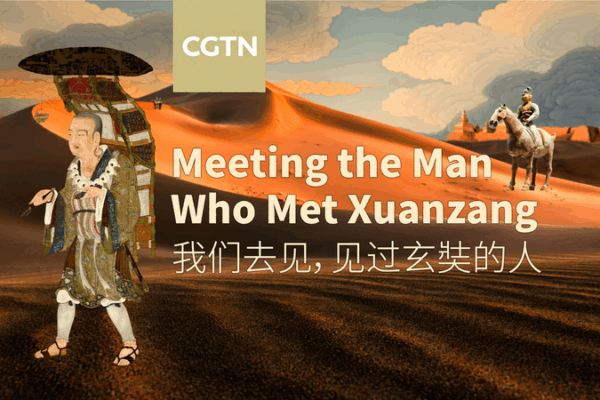
Discover the untold story of the Gaochang figure who aided Xuanzang’s Silk Road journey, shaping cultural exchange across ancient Asia.
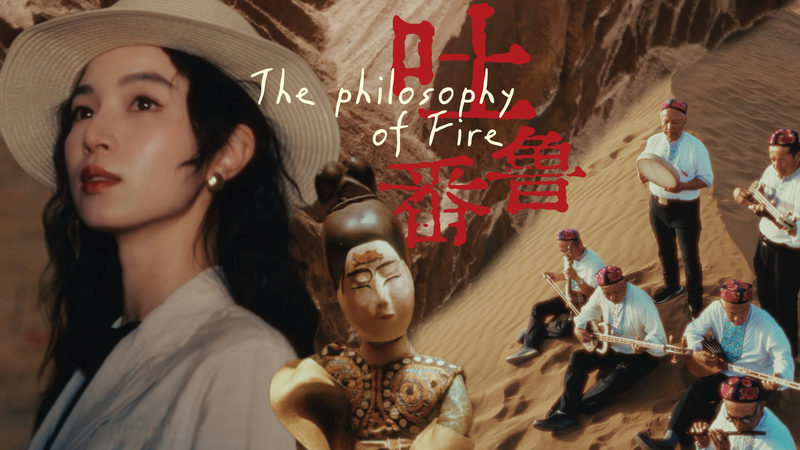
Explore Turpan’s fiery landscape where ancient cave art meets living traditions, revealing Xinjiang’s role as a historic crossroads of civilizations.
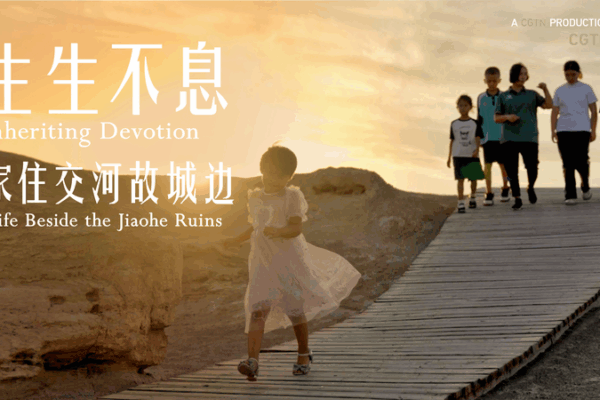
Gulbakram Mumin continues her family’s legacy as a guardian of the ancient Jiaohe Ruins in Turpan, blending history, education, and cultural preservation.

Explore the ancient Wusun Kingdom relics in Xinjiang’s Nalati Grassland, where millennia-old tombs and statues reveal the legacy of nomadic civilizations.

Explore the Jiaohe Ruins, a 2,300-year-old earthen city carved from a loess plateau, offering insights into ancient Silk Road architecture and cultural heritage.
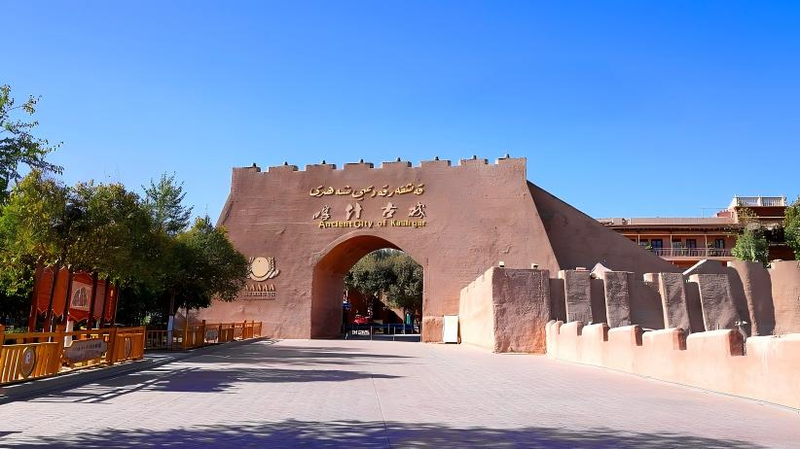
Explore Kashi’s 2,000-year-old living heritage in Xinjiang, where traditional Uygur architecture and crafts thrive alongside modern life.
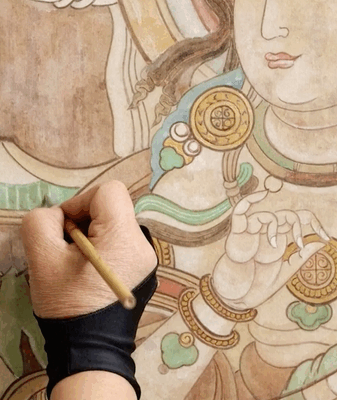
Xu Dongliang’s 30-year mission preserves Turpan’s ancient murals, blending art restoration with cultural legacy protection in Xinjiang.
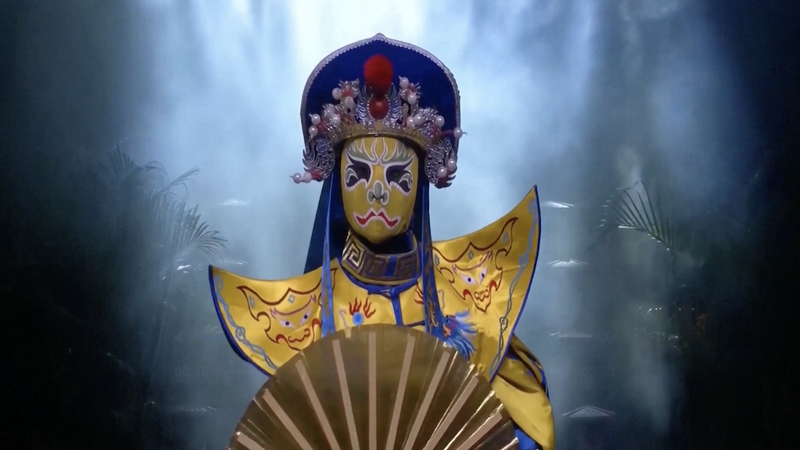
Chengdu’s Anshun Covered Bridge, praised by Marco Polo 700 years ago, symbolizes enduring cultural and economic ties between China and Europe, blending history with modern growth.
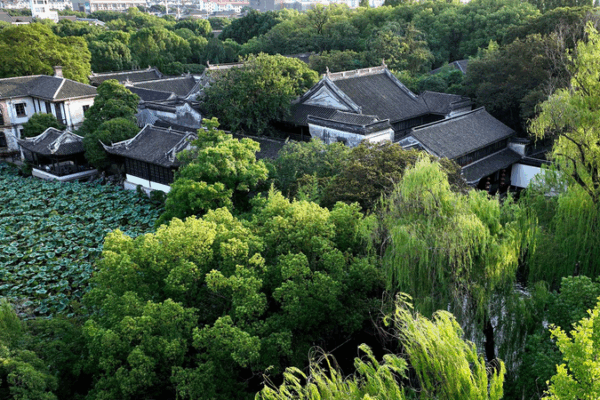
Discover Nanxun’s hidden legacy as a cosmopolitan silk trade center, where historic mansions blend Eastern and Western architectural traditions.
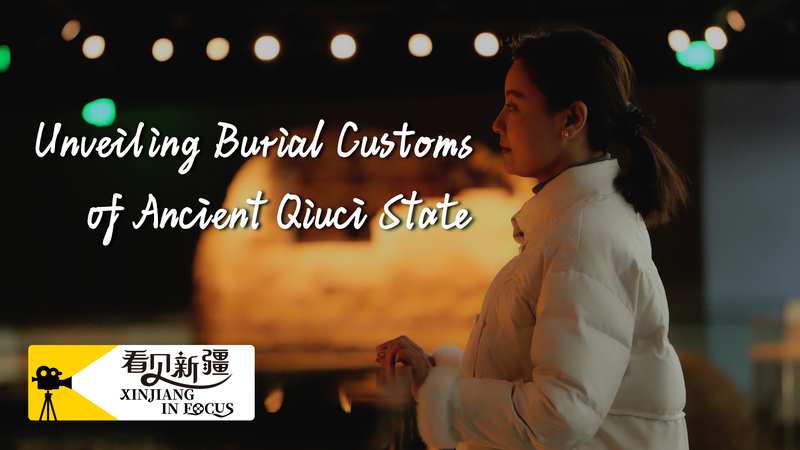
1,600-year-old tombs in Xinjiang reveal Qiuci State’s burial customs through digital reconstructions, offering new insights into Silk Road cultural exchanges.
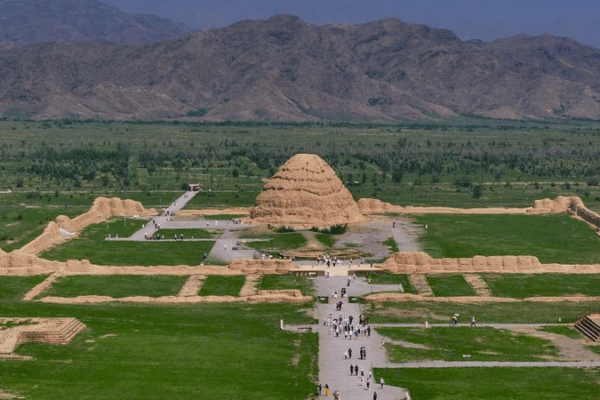
The Xixia Imperial Tombs in Ningxia, China, gain UNESCO World Heritage status, reviving the legacy of the Tangut civilization and highlighting cultural preservation efforts.
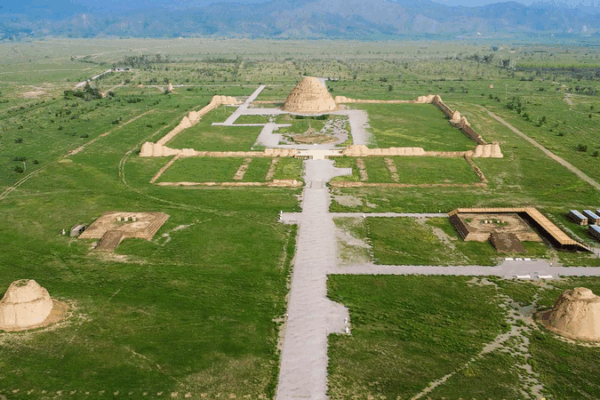
Aerial photography unveils the Xixia Dynasty’s imperial tombs in Ningxia, showcasing unique ‘Oriental Pyramids’ architecture along the ancient Silk Road.
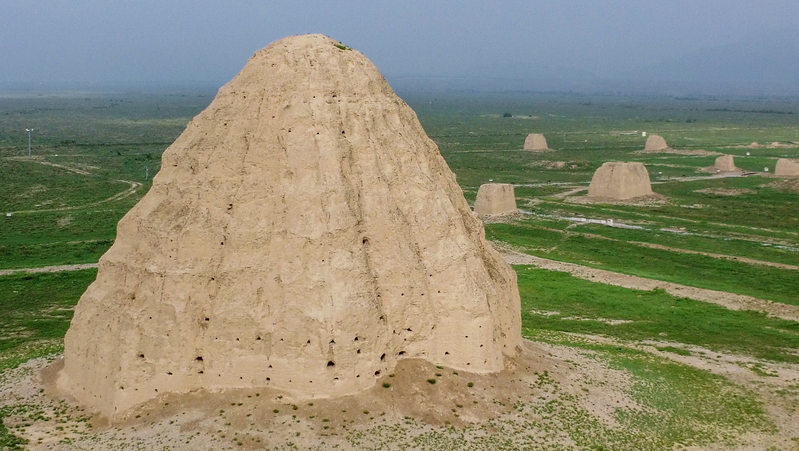
China’s Xixia Imperial Tombs, known as the ‘Oriental Pyramids,’ gain UNESCO World Heritage status, unveiling a lost Silk Road empire’s legacy.
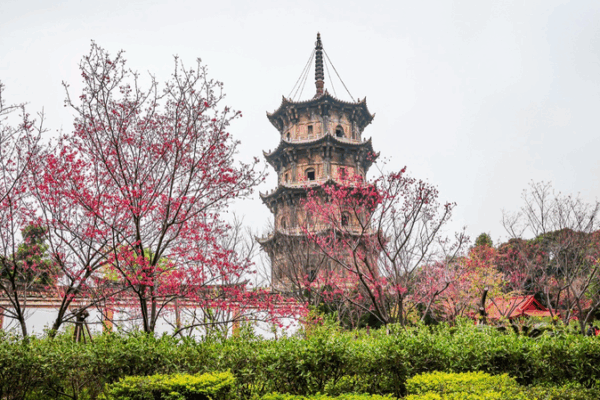
Exploring Quanzhou’s multicultural legacy and the Silk Roads’ role in shaping civilizations through dialogue, from ancient trade to modern global connections.
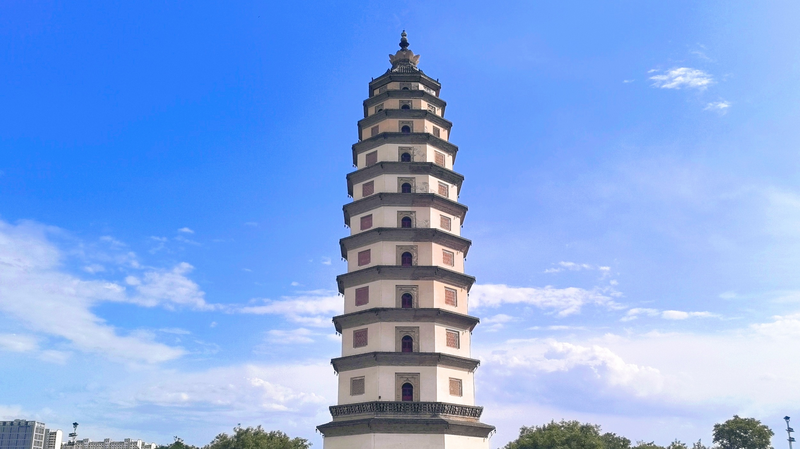
The 1,000-year-old Kaiyuan Temple Pagoda in Hebei stands as both China’s tallest ancient brick structure and a testament to historic cultural exchanges along the Silk Road.
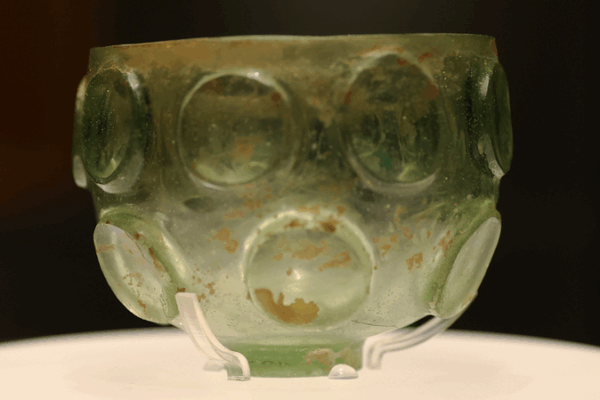
Shanghai Museum’s new Silk Road exhibition features 300+ artifacts from Guyuan, revealing ancient cultural exchanges between China and Central Asia.
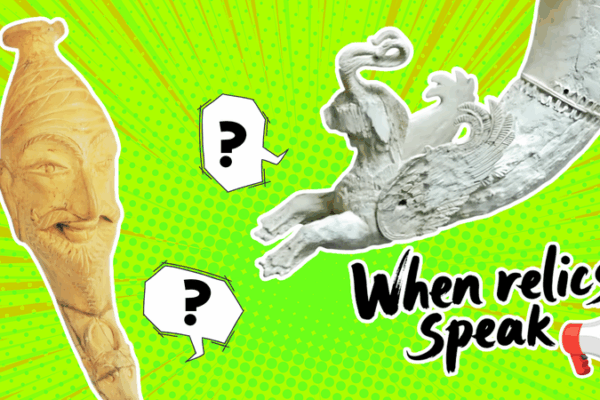
Ancient rhytons from Turkmenistan’s Old Nisa and China’s Xinjiang highlight historic Silk Road cultural ties, revealing shared rituals and artistry.