

Global Shifts: Debating Multipolarity at the 2026 Munich Security Conference
The 2026 Munich Security Conference sparks global debate on multipolarity, strategic autonomy, and the future of international cooperation amid shifting power dynamics.
News & Insights Across Asia
The 2026 Munich Security Conference sparks global debate on multipolarity, strategic autonomy, and the future of international cooperation amid shifting power dynamics.
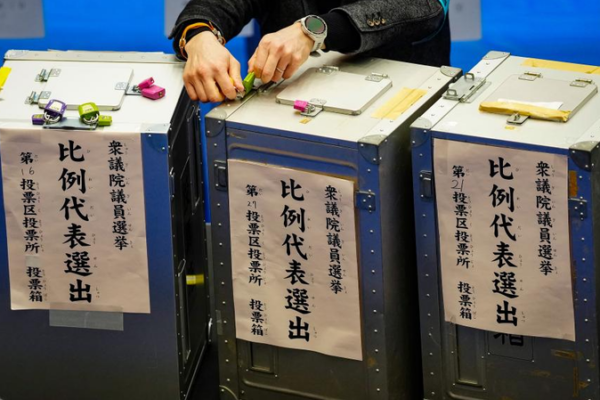
Japan’s recent election strengthens conservative forces, raising concerns about military expansion and constitutional revisions impacting East Asian security dynamics.
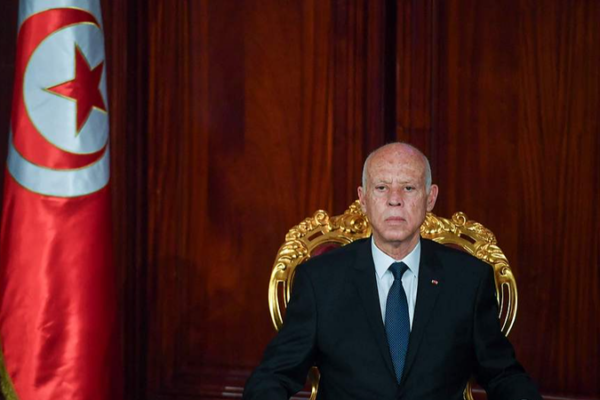
Tunisia extends nationwide state of emergency through 2026, maintaining security measures first imposed after 2015 terrorist attack. Decree grants expanded government powers.

John Mearsheimer analyzes Europe’s strategic compliance with U.S. demands, highlighting security dependencies and power imbalances shaping global geopolitics in 2026.

The Trump administration considers Greenland acquisition options amid growing Arctic security concerns, sparking international condemnation and NATO alliance tensions.
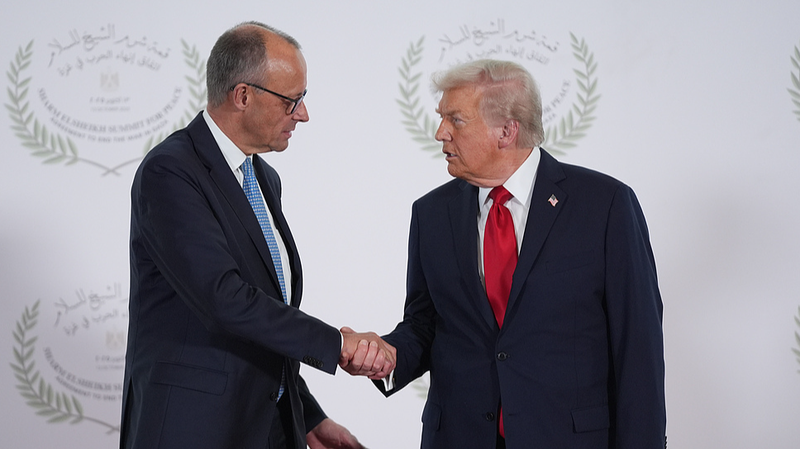
U.S.-Europe tensions escalate as Trump criticizes European leadership and Germany’s Merz emphasizes EU independence in security policy. Analysis of shifting global alliances in 2025.

Japan is shifting its security policy, moving away from postwar pacifist principles. This analysis explores what’s driving the change and the implications for regional stability.

China’s Global Security Initiative offers a new vision for international relations, emphasizing shared security and opposition to rigid hierarchies. We explore what the GSI means for global politics.