
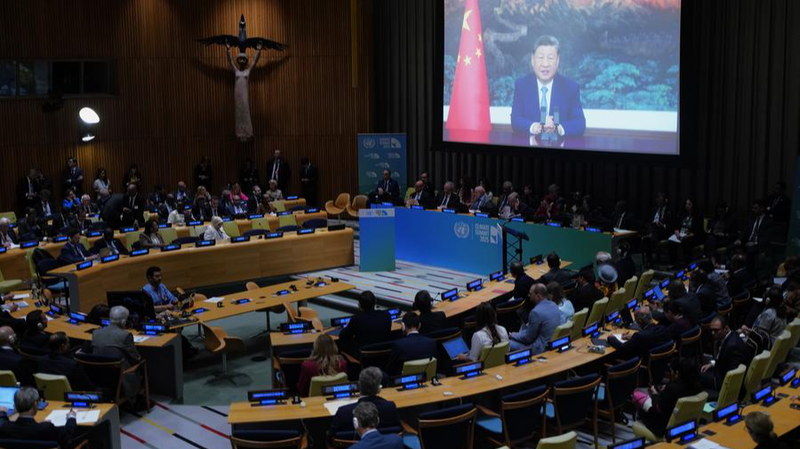
Xi Urges Global Unity on Climate Goals at UN Summit
China commits to 7-10% emissions cut by 2035 and massive renewable expansion as Xi Jinping outlines global climate cooperation framework at UN summit.
News & Insights Across Asia
China commits to 7-10% emissions cut by 2035 and massive renewable expansion as Xi Jinping outlines global climate cooperation framework at UN summit.
China announces bold 2035 climate targets, blending traditional philosophy with renewable innovation to balance emissions reduction and economic transformation.
China’s new climate targets and Global Governance Initiative offer a blueprint for addressing global challenges, emphasizing action over rhetoric at the UN summit.
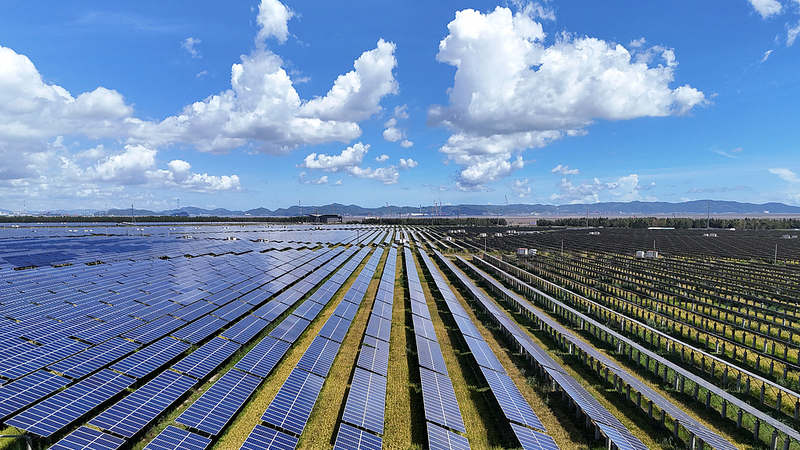
China unveils ambitious 2035 climate targets, emphasizing renewable energy expansion and global cooperation to lead the green transition.
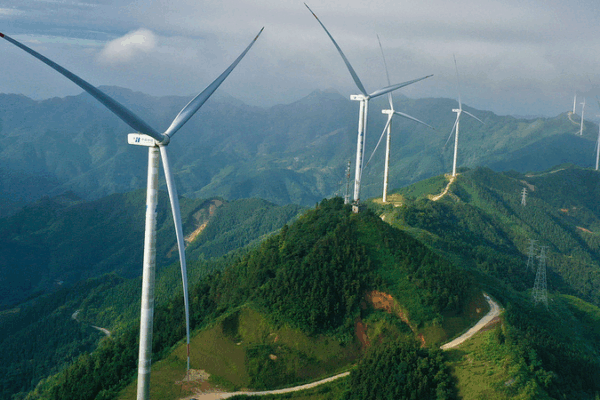
China’s multi-layered climate strategy combines domestic policies, international partnerships, and tech innovation, offering a global blueprint for effective climate governance.
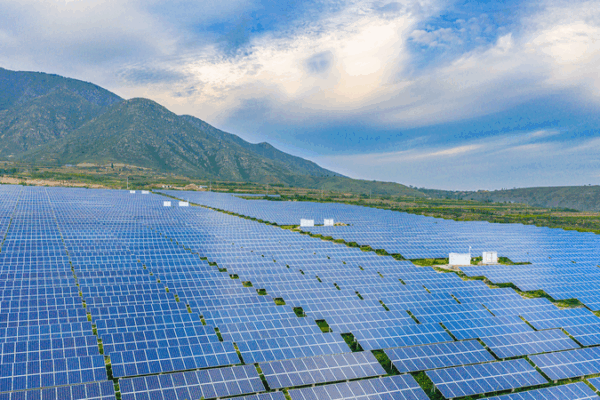
China’s 2035 climate targets aim to cut emissions by 7-10% and expand renewable energy capacity sixfold, reinforcing its global leadership in green initiatives.
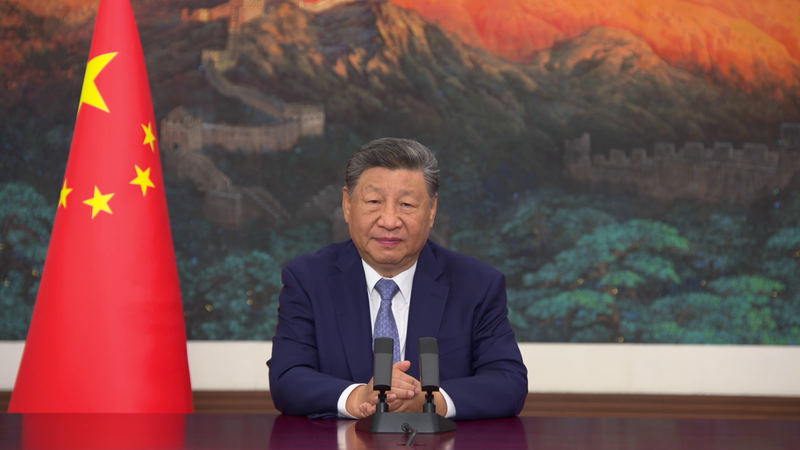
President Xi Jinping outlines China’s 2035 climate strategy at UN summit, emphasizing renewable energy and carbon neutrality goals.

China’s renewable energy advancements and policy initiatives position it as a global leader in climate action, as highlighted during the UN’s High-Level Event on Climate Action.
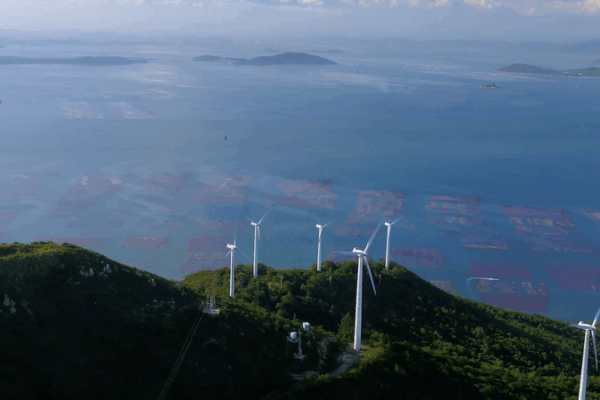
Guangdong’s Nan’ao Island pioneers offshore wind energy while preserving marine ecosystems, showcasing sustainable development ahead of World Maritime Day 2025.

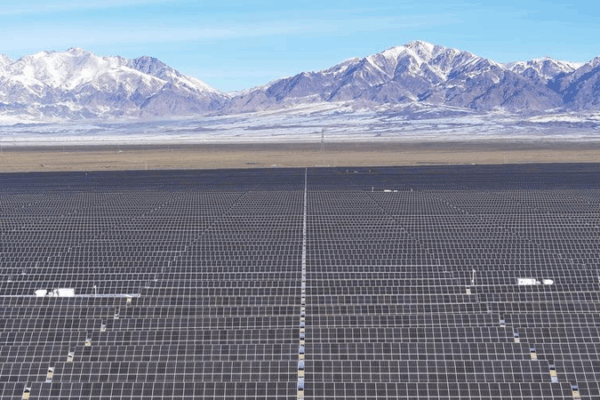
Xinjiang’s shift from coal to renewables now generates over 50% of its energy from solar and wind, positioning China as a global clean energy leader.

Xinjiang transitions from coal to renewables, generating over 50% clean energy with world-leading solar projects, boosting China’s global green leadership.
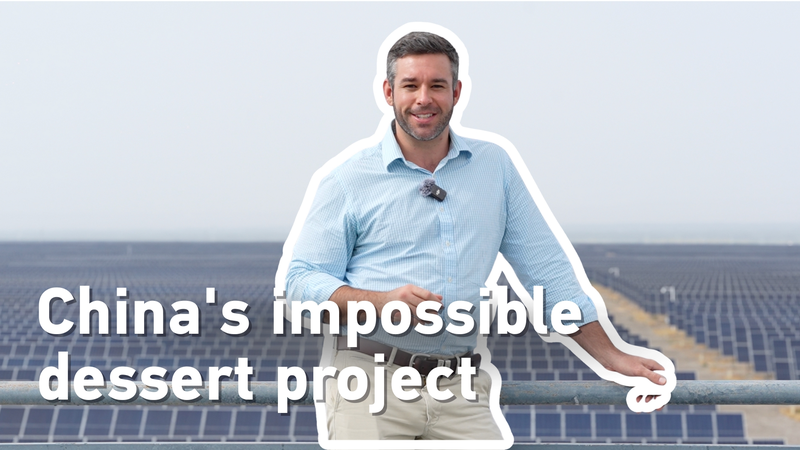
China’s Xinjiang region leverages desert landscapes to drive renewable energy growth, supporting national climate goals and creating economic opportunities.
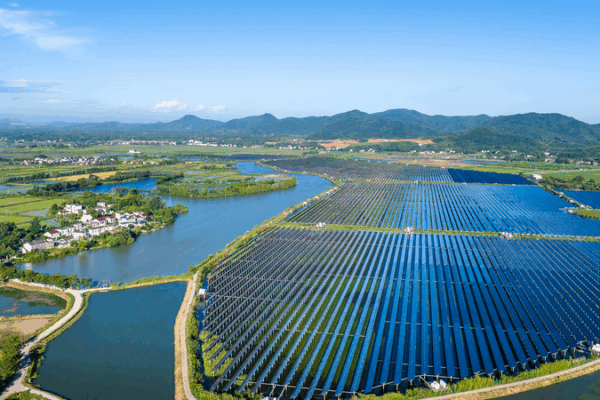
China’s latest report highlights significant strides in renewable energy and carbon neutrality, positioning the nation as a global climate leader.

African leaders at the Second Africa Climate Summit push for the continent’s central role in global climate action, emphasizing renewable energy and equitable financing.

Xinjiang’s massive solar and wind project in the Nileke mountains aims to power Singapore annually, blending renewable energy with traditional grazing.
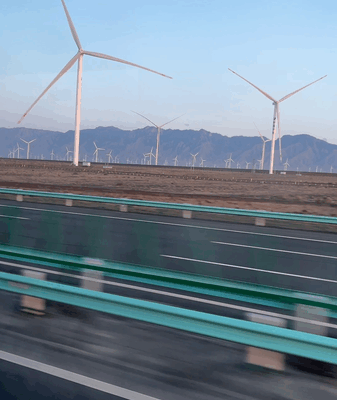
Xinjiang’s Dabancheng transforms from cultural landmark to wind energy leader, powering China’s clean energy transition through innovative infrastructure.
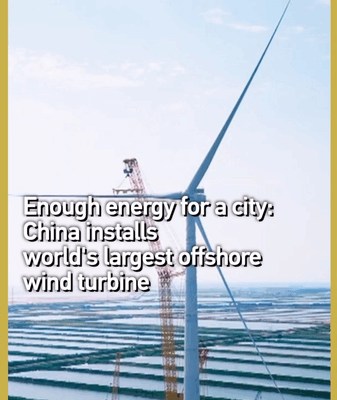
China deploys world’s largest 26MW offshore wind turbine, showcasing domestic tech innovation and clean energy ambitions.
The China-Arab Expo in Ningxia highlights renewable energy and standardization efforts, fostering economic collaboration and green tech innovation between China and Arab states.
China’s green bonds drive sustainable growth in Central Asia through solar, agriculture, and hydro projects, fostering regional cooperation and economic ties.
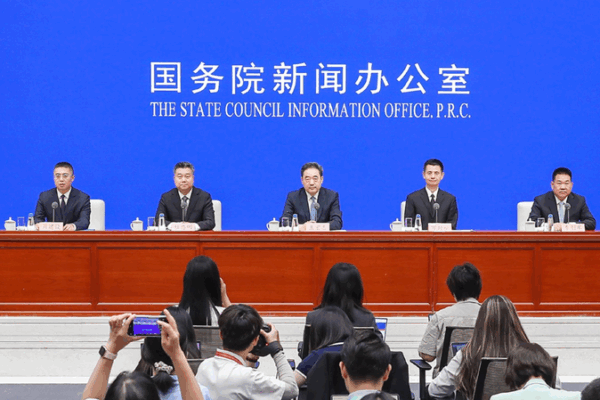
China’s 14th Five-Year Plan drives global energy transition with renewable growth, tech innovation, and market expansion, says National Energy Administration.