
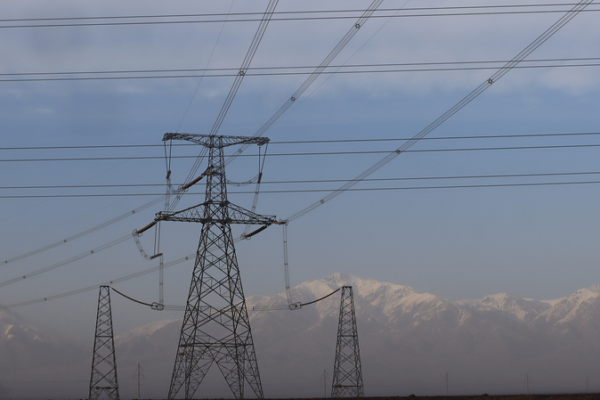
Xinjiang Transmits 1 Trillion kWh, Boosts National Energy Security
Xinjiang transmits over 1 trillion kWh of electricity, with 29.6% from renewables, boosting China’s energy security and ecological goals.
News & Insights Across Asia
Xinjiang transmits over 1 trillion kWh of electricity, with 29.6% from renewables, boosting China’s energy security and ecological goals.
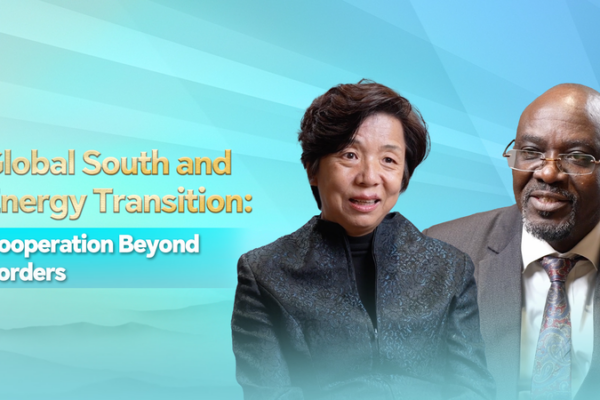
Energy leaders at Beijing forum outline collaborative strategies for renewable transition, highlighting China’s role in bridging Global South’s energy access gaps.
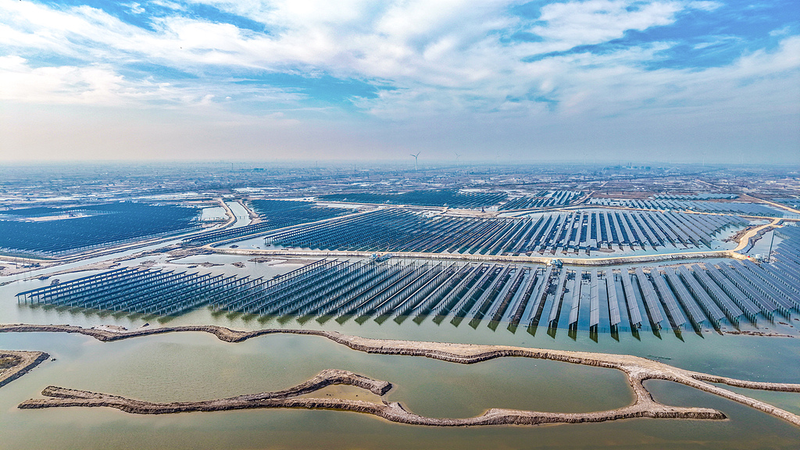
China’s green bond market hits $1.2 trillion in 2025, driving Asia’s clean energy transition and setting new global standards for sustainable finance.

At the 2025 World Economic Forum in Davos, Longi Green Energy Chairman Zhong Baoshen discusses the rapid advancements in solar power and global efforts to decarbonize energy sources.

At Davos 2025, China reaffirmed its commitment to lead global climate cooperation through ambitious environmental goals, technological innovation, and international collaboration, setting the pace for a green transition.

Chinese innovations are transforming Thailand’s landscape—from solar energy to smart farming and advanced healthcare—marking a new era of cooperation and a brighter future for all.

Southeast Asia is undergoing a green revolution powered by Chinese technology and investments. Projects in Vietnam and Malaysia are leading the way to a sustainable future.
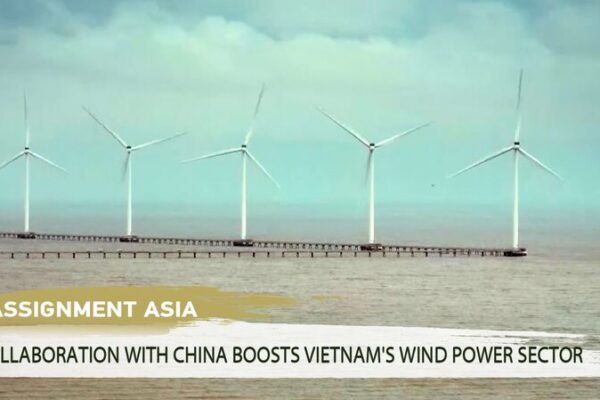
Vietnam’s wind power is set to contribute 30% of the nation’s energy by 2050, up from 5% today, thanks to collaboration with Chinese enterprises in investment and technology exchange.

Chinese solar companies are partnering with Malaysian firms and schools, accelerating Malaysia’s shift towards renewable energy through community demonstrations and training programs.
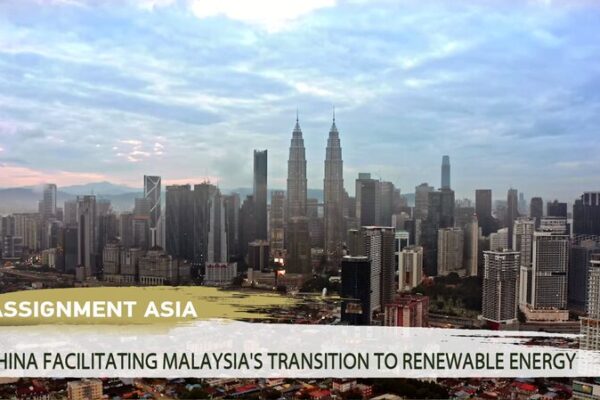
Chinese solar companies are collaborating with Malaysian partners to accelerate Malaysia’s shift toward renewable energy, inspiring confidence and emphasizing the importance of sustainable practices.

Xinjiang’s new energy power generation reached 116.16 billion kWh in 2024, surging by 30.7% over the previous year, highlighting the region’s accelerating shift towards renewable energy.

China has enacted its first energy law, aiming to revolutionize its energy consumption and boost green, low-carbon development, marking a significant step in its energy governance and economic growth.
China’s 2024 Climate Report reveals that 2015 to 2023 were the warmest nine years in recorded history, urging strengthened global cooperation and highlighting progress in renewable energy and AI.

Zero-carbon parks are emerging as innovative models for promoting sustainable development. Explore examples in China and abroad, highlighting efforts toward carbon neutrality and green transitions.
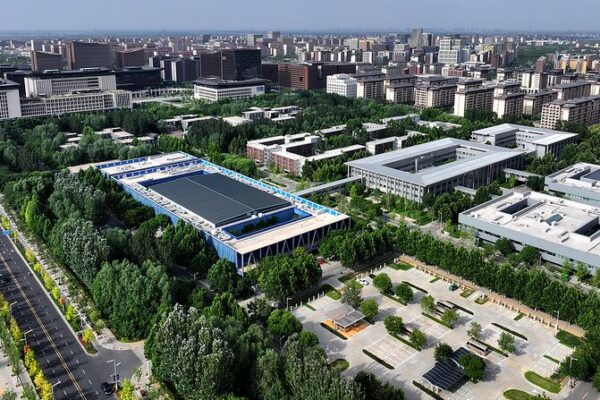
Zero-carbon parks are leading the way in sustainable development. From China’s ambitious projects to global models like Masdar City and BedZED, these hubs are shaping a greener future.
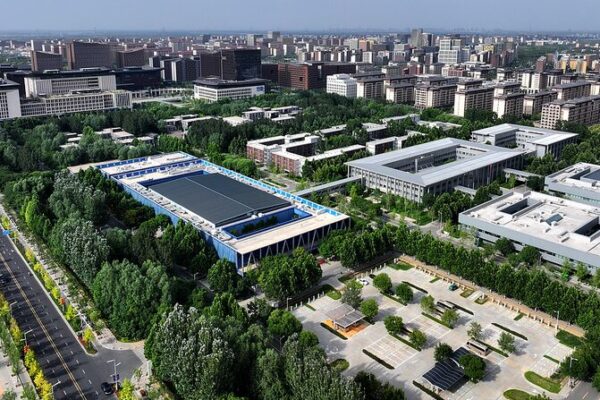
Zero-carbon parks are revolutionizing sustainable development in China and abroad, showcasing innovative approaches to achieving carbon neutrality and promoting green growth.
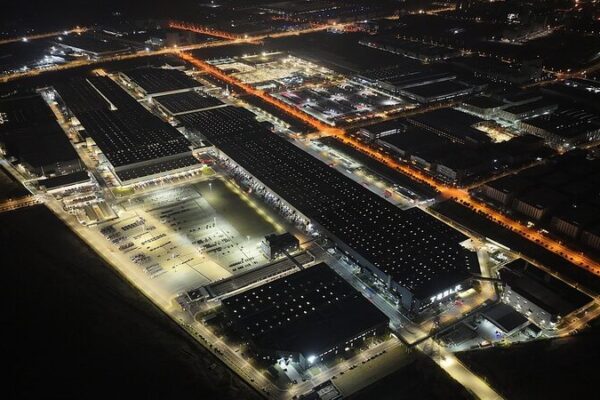
Tesla’s energy storage megafactory in Shanghai is set to be completed by year’s end, aiming to produce 10,000 Megapack units annually and boosting global energy storage capacity.
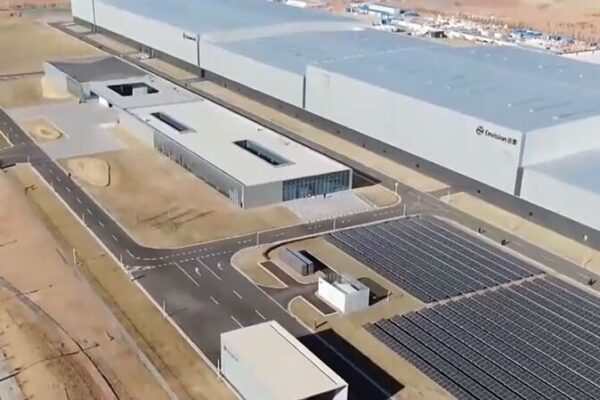
China is advancing its green economic future by constructing zero-carbon industrial parks, with Ordos City leading the way as a pioneer in sustainable industrial development.

China’s CNOOC has developed the world’s first megawatt-level seawater electrolyzer, marking a breakthrough in offshore hydrogen production and renewable energy innovation.

Great Wall Motor’s new São Paulo factory will produce 100,000 electric vehicles annually, boosting South America’s renewable energy transition and showcasing China’s global green impact.