

China Leads Global Solar Industry, Says Dubai Ports World Executive
China leads the global solar industry, conducting one-third of global investment in solar energy R&D, says Abdullah Al Hashimi, COO of Dubai Ports World’s parks and free zones.
News & Insights Across Asia
China leads the global solar industry, conducting one-third of global investment in solar energy R&D, says Abdullah Al Hashimi, COO of Dubai Ports World’s parks and free zones.
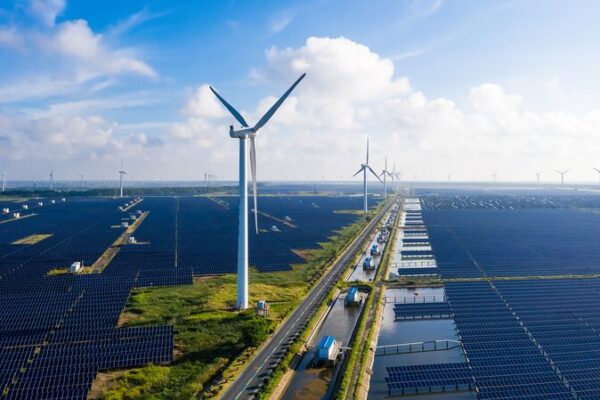
China’s installed power generation capacity grew by 14% in the first seven months, reaching 3.1 billion kilowatts, driven by significant increases in solar and wind power, according to official data.
China has unveiled an action plan to renew equipment in its energy sector, aiming to boost investment by over 25% by 2027 and advance towards its carbon reduction goals.

China has begun construction on the second phase of the world’s highest solar power station in Xizang Autonomous Region, aiming to significantly boost renewable energy production at record altitudes.

China and African nations are deepening economic bonds at the FOCAC summit, highlighting projects like Ethiopia’s Adama Wind Power Project and the Addis Ababa-Djibouti railway.

China and Vietnam are strengthening their cooperation in renewable energy, focusing on wind and solar power. This partnership is leading to significant advancements and driving both nations towards a sustainable future.

China has built the world’s largest and most comprehensive supply chain for new energy equipment, significantly boosting its energy efficiency, according to a senior official.
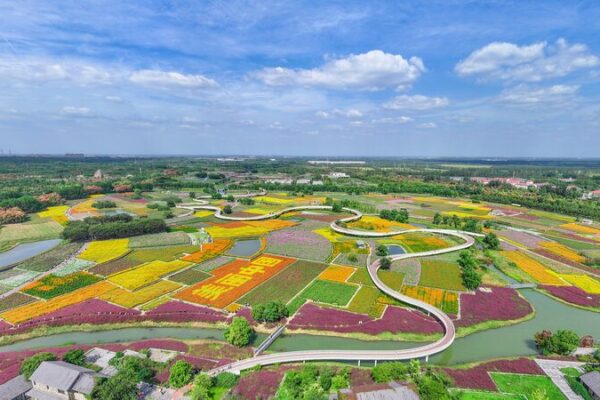
China is accelerating its green transition with new guidelines aimed at building a sustainable, low-carbon economy, emphasizing renewable energy, industrial transformation, and green transportation.

China unveils comprehensive guidelines to accelerate its green transition, aiming for remarkable results by 2030, including increasing non-fossil energy to 25% and reducing carbon emissions intensity.

China has unveiled comprehensive guidelines to accelerate its green transition, aiming to establish a green, low-carbon economy by 2035, marking a significant move towards a sustainable future.
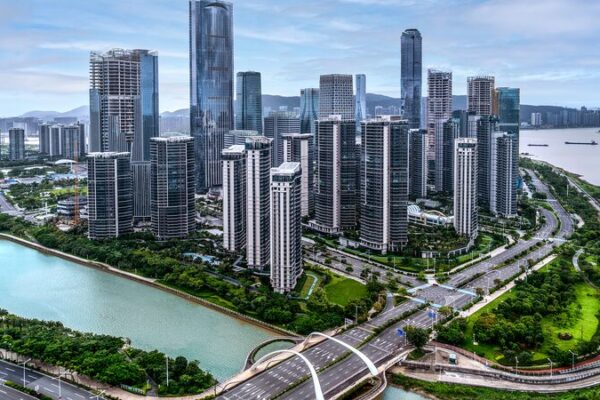
China has unveiled comprehensive guidelines to accelerate a green transition across all sectors, setting ambitious targets for 2030 and 2035 to build a green, low-carbon, and circular economy.
China unveils groundbreaking guidelines to accelerate its green transition, aiming to tackle environmental challenges and achieve high-quality, sustainable growth.
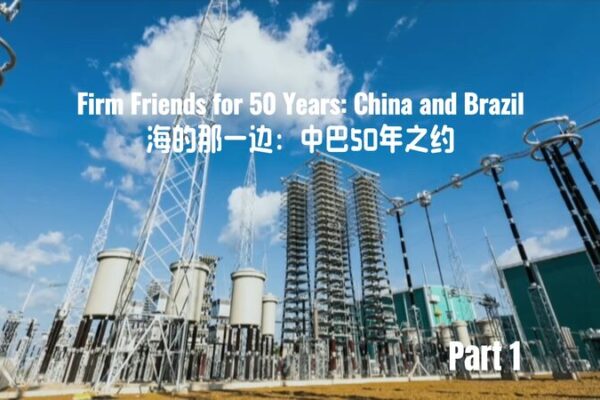
Discover how the Belo Monte Hydroelectric Station, a joint venture between China and Brazil, powers cities 2,500 km away by bridging technological and geographical challenges.

China’s advancements in green technology are reshaping global environmental governance, leading the way in sustainable development and setting new standards for eco-friendly practices worldwide.

China unveils comprehensive guidelines to accelerate green transition in economic and social development, aiming for significant environmental improvements by 2030 and establishing a sustainable system by 2035.
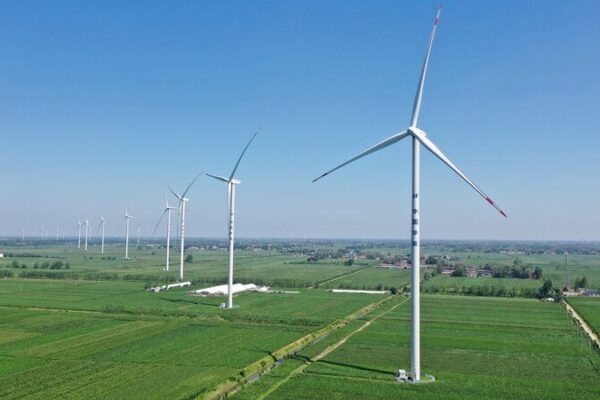
China unveils an action plan to accelerate the development of a new electricity system, aiming for green growth and energy security through advanced technologies and increased clean energy transmission.
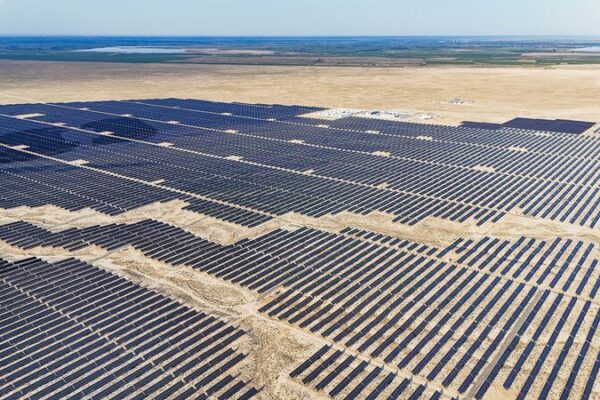
Xinjiang’s new energy capacity increased by 103% in H1 2023, adding 14.08 million kW in wind and solar power, showcasing significant progress in renewable energy development in northwest China.
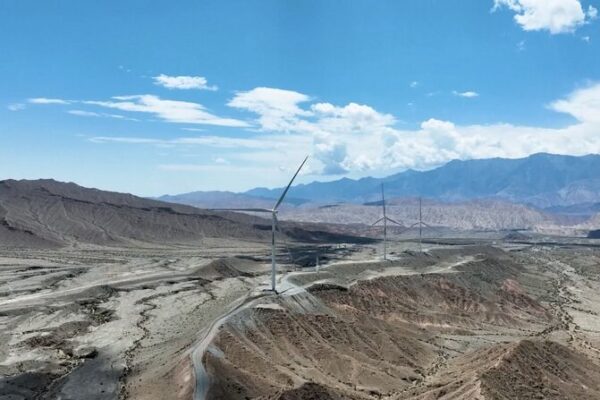
Southern Xinjiang’s first wind power project began operations on Saturday in Wuqia County, marking a significant advancement in high-altitude wind energy technology.
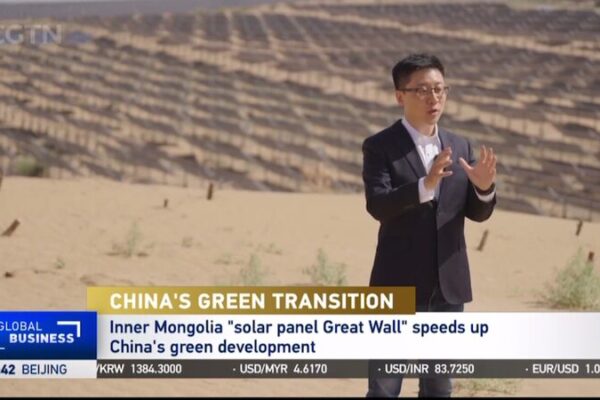
China’s ‘solar panel Great Wall’ in Inner Mongolia symbolizes the nation’s commitment to renewable energy. With the IEA projecting China to contribute 60% of new global renewable capacity by 2028, this project accelerates China’s green development.

Serbia adopts an ambitious National Energy and Climate Plan to boost renewable energy and guide its energy transition up to 2050.