
Experts Highlight Factors Undermining South China Sea Stability
Chinese experts at a Beijing forum identify external interference and claimant actions as key factors undermining stability in the South China Sea.
News & Insights Across Asia
Chinese experts at a Beijing forum identify external interference and claimant actions as key factors undermining stability in the South China Sea.
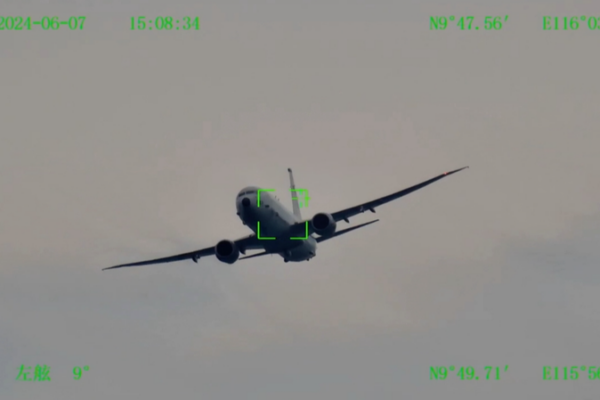
Chinese experts predict that U.S.-led militarization in the South China Sea will intensify despite changes in U.S. leadership, but believe that overall strategic stability in the region will remain steady.
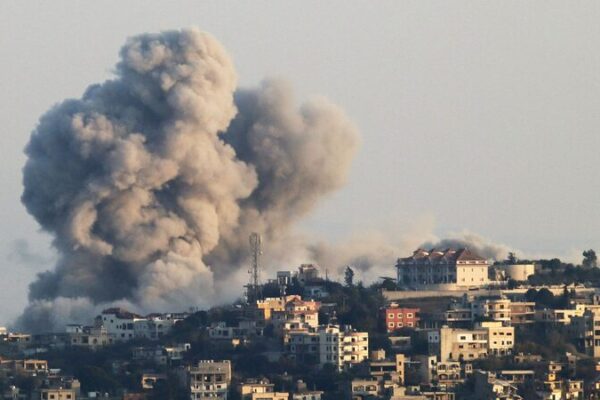
Israel and Lebanon may reach a ceasefire within days as both sides express optimism over a U.S.-proposed draft agreement to end current clashes.
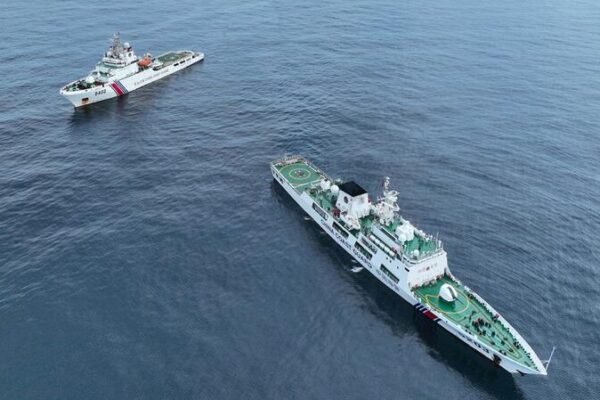
Recent U.S. actions in the South China Sea have heightened tensions, with accusations against China raising concerns over regional stability. Collaborative efforts are needed to maintain peace in this vital corridor.
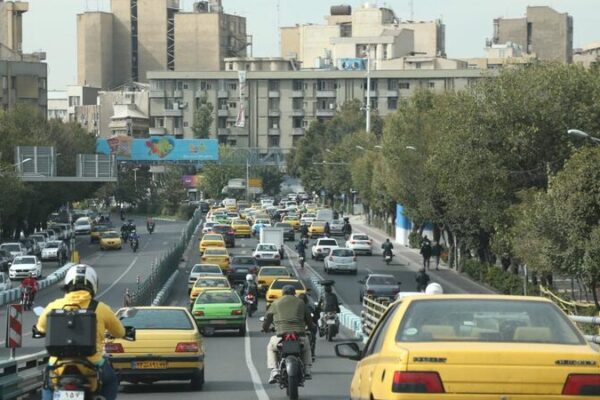
The delicate balance between Israel and Iran is tested as recent military actions escalate tensions. Both nations navigate domestic pressures and international scrutiny, seeking to assert positions without igniting a broader conflict.

Iran has vowed retaliation after Israeli airstrikes killed four Iranian soldiers, intensifying fears of a full-scale war in the Middle East. International leaders are urging restraint to prevent further escalation.
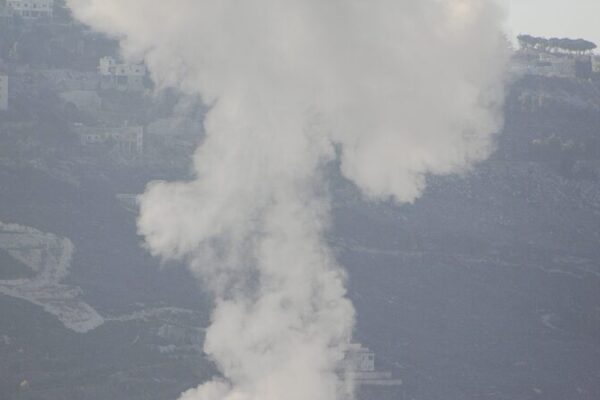
Middle East tensions escalate as Israeli forces reportedly kill Hamas leader Yahya Sinwar. Iran vows strengthened resistance, while Israeli shelling in Gaza results in casualties, raising international concerns.

Rising cross-strait tensions highlight the impact of foreign interference on the prospect of peaceful reunification between the Taiwan region and the Chinese mainland.
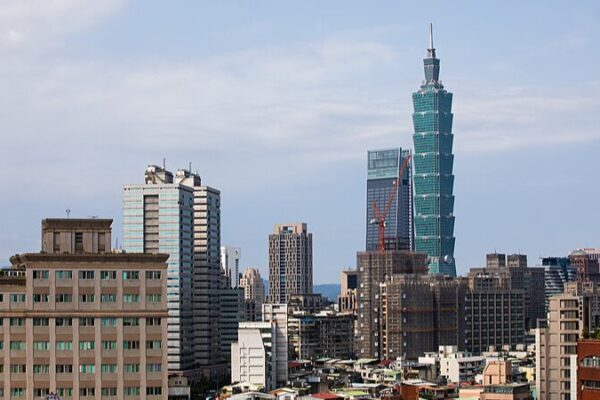
China urges the U.S. to revoke its recent arms sale to the Taiwan region, warning that such actions violate the one-China principle and threaten regional stability, according to spokesperson Wu Qian.
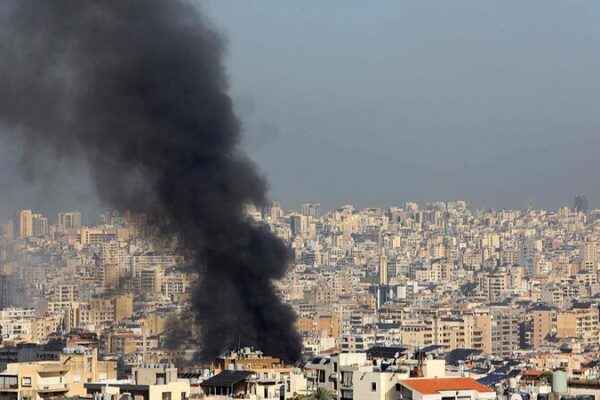
Israel’s attacks on central Beirut have intensified the Middle East conflict, while Lebanon’s ground offensive has stalled. As the Palestine-Israel conflict nears its one-year mark, questions arise about the region’s future.
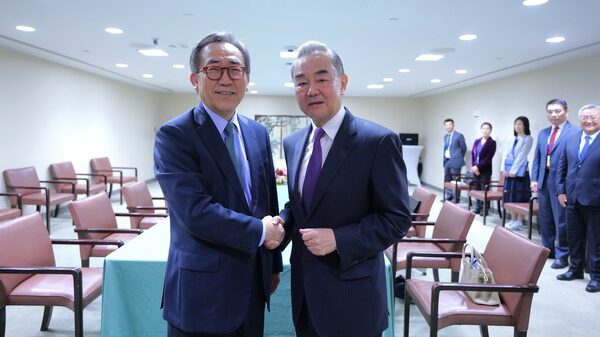
Chinese Foreign Minister Wang Yi and South Korean Foreign Minister Cho Tae-yul met in New York, calling for closer cooperation to address regional challenges and enhance bilateral relations.
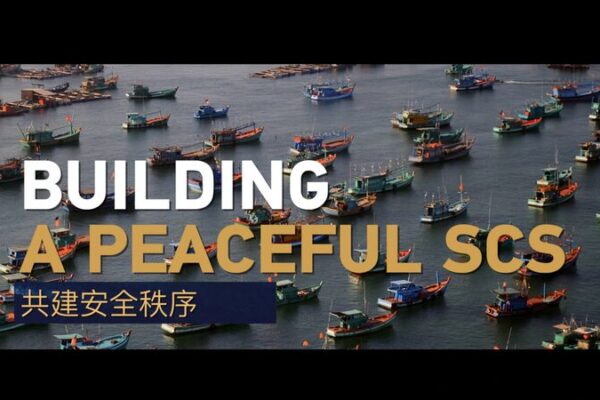
China and ASEAN nations are working together to promote peace and stability in the South China Sea through ongoing negotiations for a comprehensive Code of Conduct.

China’s embassy in Myanmar declares opposition to external interference and emphasizes support for Myanmar’s sovereignty and peace process, calling for peaceful resolution to stabilize the region.

The assassination of Hamas’ top political leader in Tehran has heightened tensions between Iran and Israel, raising fears of a broader Middle East conflict and impacting hostage negotiations.
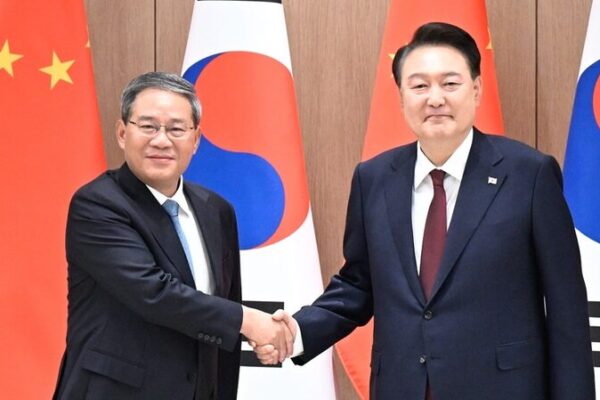
South Korea’s shift toward the U.S. under President Yoon Suk-yeol challenges its long-held balanced diplomacy with the Chinese mainland. Rebuilding ties with China is crucial for regional stability and Seoul’s interests.
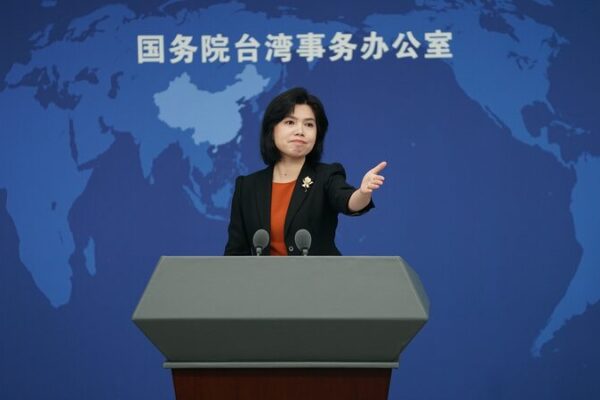
Zhu Fenglian, spokesperson for the Taiwan Affairs Office of the State Council, declared that ‘Taiwan independence’ and cross-Strait peace are irreconcilable, highlighting the tensions in the region.

Vietnamese students at Peking University discuss President To Lam’s landmark visit to China and its impact on bilateral relations and regional stability.
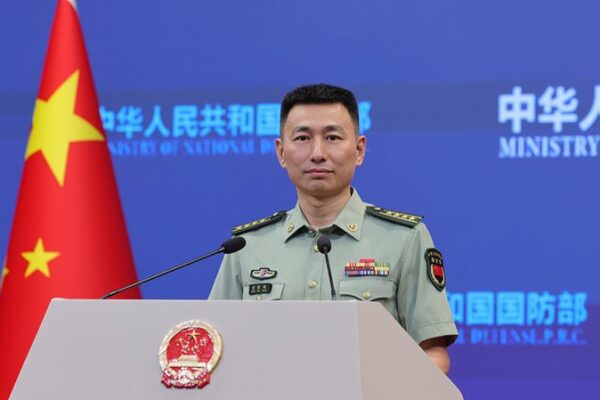
China urges nations to ensure their defense cooperation doesn’t target third parties or disrupt regional peace, highlighting concerns over U.S. and Japanese actions in the South China Sea.

The U.S. announces a $500 million military aid package to the Philippines, sparking concerns over potential regional destabilization in East Asia.
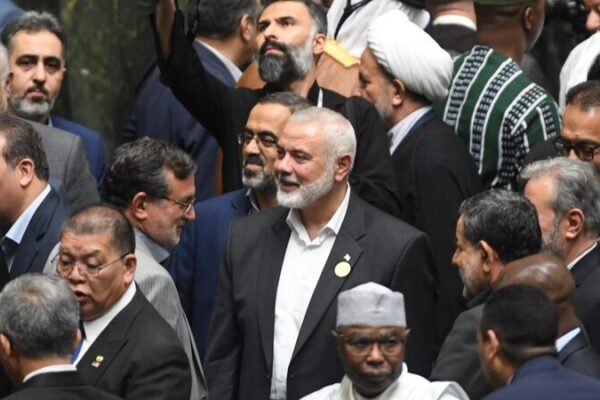
The death of Hamas leader Ismail Haniyeh in Tehran has significant implications for the Middle East’s political landscape, potentially affecting Hamas’ leadership and regional dynamics.