

Iran’s Drone and Missile Attack Escalates Tensions with Israel
Iran’s unprecedented drone and missile attack on Israel marks a significant escalation in Middle Eastern tensions, raising global concerns over the potential for wider regional conflict.
News & Insights Across Asia
Iran’s unprecedented drone and missile attack on Israel marks a significant escalation in Middle Eastern tensions, raising global concerns over the potential for wider regional conflict.
Recent actions by the U.S. and its allies in the Asia-Pacific, including potential expansion of AUKUS to Japan, spark debates over the formation of an ‘Asia-Pacific NATO’ and its implications for regional security.
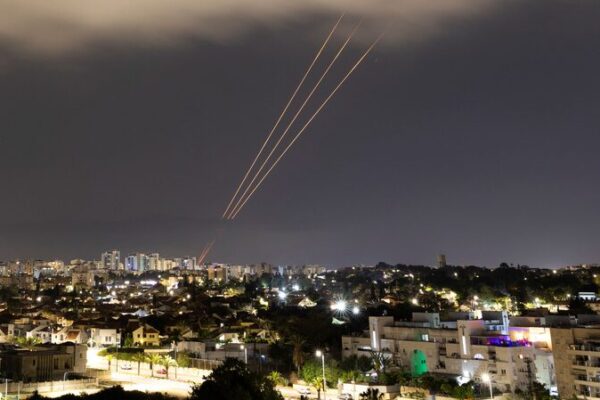
Iran has launched dozens of drones toward Israel in retaliation for an alleged Israeli strike on the Iranian consulate in Damascus, escalating tensions in the Middle East.
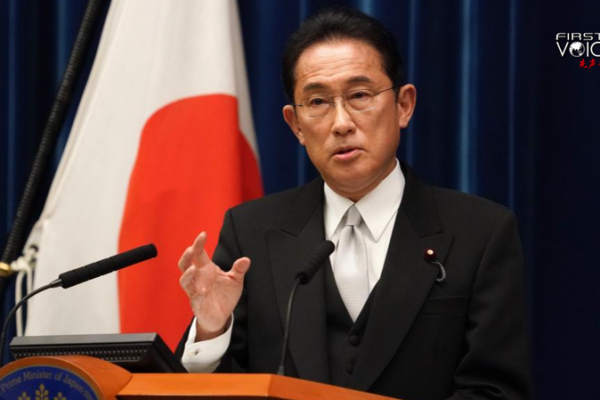
As Japan seeks to upgrade its alliance with the U.S., questions arise whether this move enhances regional security or serves domestic political interests amid economic challenges.
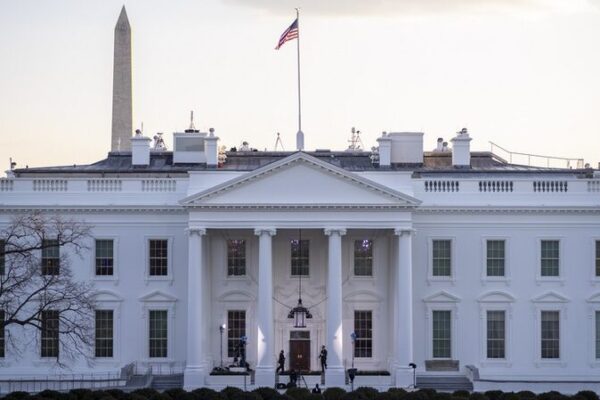
Japanese Prime Minister Fumio Kishida’s visit to the White House could lead to significant shifts in Asia-Pacific security, including a potential trilateral pact with the Philippines.
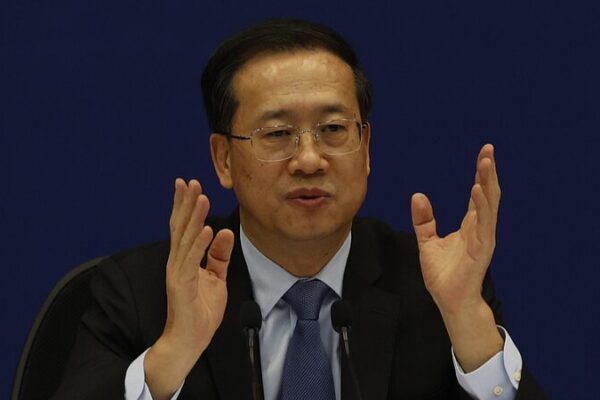
Chinese Vice Foreign Minister Ma Zhaoxu urged the United States to play a constructive role in South China Sea security during a call with U.S. Deputy Secretary of State Kurt Campbell.
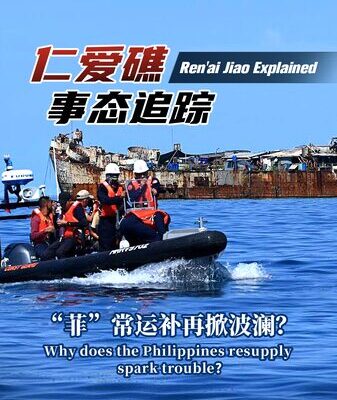
Recent incidents in the South China Sea have heightened tensions between China and the Philippines, drawing international attention to the strategic region’s security dynamics.

New Zealand is considering joining the non-nuclear pillar of AUKUS, focusing on advanced defense technologies, while maintaining its nuclear-free stance and strategic autonomy in the Asia-Pacific region.

The United States and Japan have adopted record-breaking defense budgets for 2024, signaling intensifying geopolitical rivalries and raising concerns about regional peace in Asia.
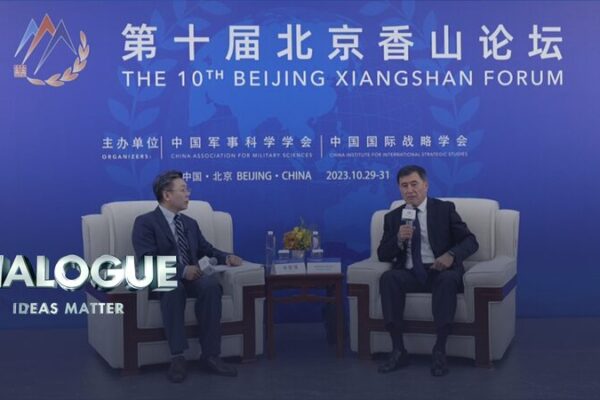
Discover how the SCO and Beijing Xiangshan Forum collaborate to enhance regional security and cooperation in Central Asia, as former SCO Secretary-General Vladimir Norov shares his insights.