
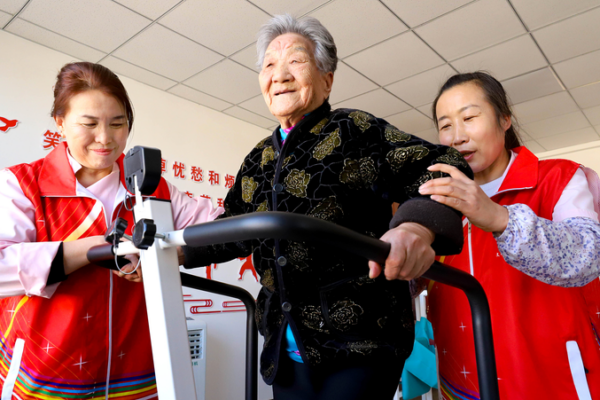
China Targets 80-Year Life Expectancy by 2030 Amid Health Push
China unveils plan to increase average life expectancy to 80 years by 2030 through enhanced healthcare reforms and infrastructure development.
News & Insights Across Asia
China unveils plan to increase average life expectancy to 80 years by 2030 through enhanced healthcare reforms and infrastructure development.

China’s 2026 healthcare reforms focus on strengthening public health infrastructure, integrating TCM, and improving medical insurance systems to enhance nationwide services.

CAAC medical expert Dr. Ma Fengjie reveals six science-based strategies to combat noise-induced hearing loss in Asia’s urban environments.

China’s tertiary hospitals implement multidisciplinary weight management systems under the Healthy China 2030 Initiative, targeting chronic disease prevention through medical interventions.

China mandates nationwide fireworks safety inspections following recent explosions in Jiangsu and Hubei, aiming to curb accidents during peak usage periods.

Washington D.C. declares emergency over Potomac River sewage spill, seeks federal aid as 200 million gallons of wastewater impact the region.

Traces of antibiotics from Tasmanian salmon farms detected in marine species over 10km away, raising concerns about bacterial resistance and ecosystem impact.
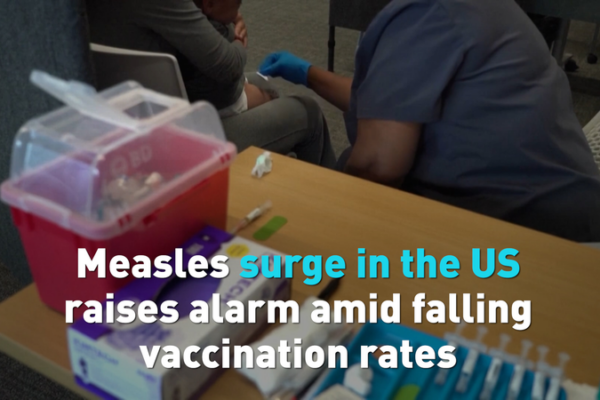
The U.S. faces its worst measles outbreak in three decades as vaccination rates drop, raising global public health concerns in 2026.

China deploys revolutionary C909 airplane hospital to Laos, performing airborne surgeries and training medical teams under the Air Health Silk Road initiative.

Gaza faces ongoing water shortages despite Israel reopening supply lines, with UN reporting only 6,000 cubic meters reaching residents daily amid intensified relief efforts.
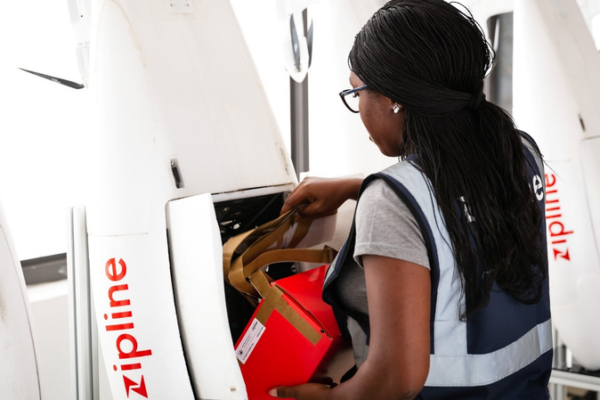
Rwanda launches Africa’s first nationwide health drone delivery network with Zipline, expanding access to vaccines and medical supplies across urban and rural communities.

Bangladesh reports first Nipah virus death of 2026 in Rajshahi Division. WHO confirms 35 contacts tested negative, assesses global risk as low.

New U.S. study links wildfire smoke pollution to 24,000 annual deaths, highlighting global climate health risks. Analysis includes implications for Asia’s air quality strategies.
NYC becomes first U.S. city to join WHO’s GOARN following federal withdrawal, enhancing global health collaboration amid criticism.

Yunnan pioneers cross-border medical collaboration through robotic surgery breakthroughs, emergency response systems, and regional public health partnerships in Southeast Asia.

WHO releases 2026 guidelines for Nipah virus prevention, focusing on food safety, livestock management, and outbreak containment strategies in affected regions.

India’s 2026 Nipah virus outbreak triggers cross-border health alerts as authorities work to contain the deadly bat-borne pathogen with 40-75% fatality rates.

Indian authorities confirm containment of Nipah virus in West Bengal as Asian nations enhance health screenings for travelers from India.
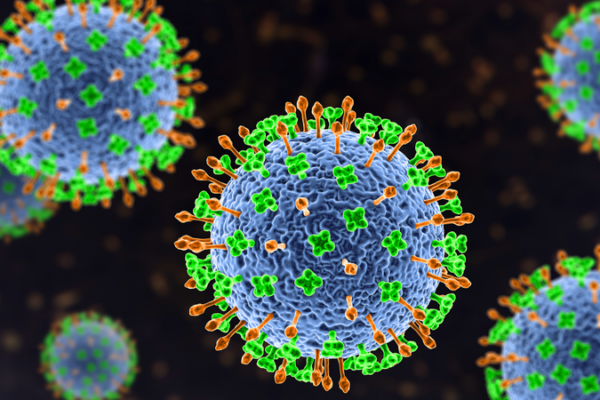
A Chinese-developed oral antiviral shows significant efficacy against Nipah virus in lab and animal studies, offering hope amid recent outbreaks.

China confirms no Nipah virus cases but maintains high alert, citing robust prevention systems and rapid testing capabilities amid regional outbreaks.