
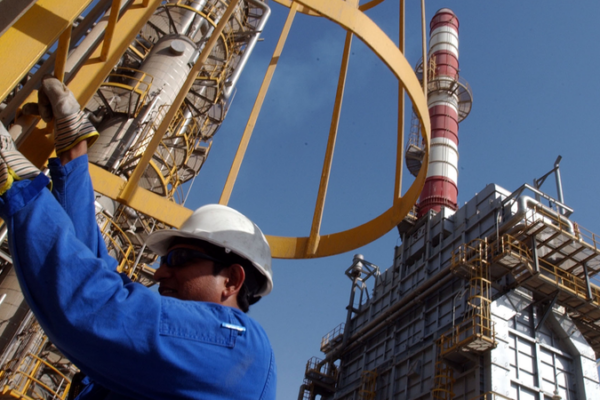
Shifting Sands: UAE Exits OPEC+ Alliance as 2026 Begins
The UAE’s withdrawal from the OPEC+ oil alliance on May 1, 2026, marks a pivotal moment for global energy markets, testing the group’s influence on prices and regional cooperation.
News & Insights Across Asia
The UAE’s withdrawal from the OPEC+ oil alliance on May 1, 2026, marks a pivotal moment for global energy markets, testing the group’s influence on prices and regional cooperation.
Russia commits to OPEC+ membership after the UAE announces its exit, highlighting efforts to stabilize oil markets amid geopolitical changes.
The UAE has announced its withdrawal from OPEC and the OPEC+ alliance, effective May 1, 2026, citing a need for greater flexibility to meet global energy demand.
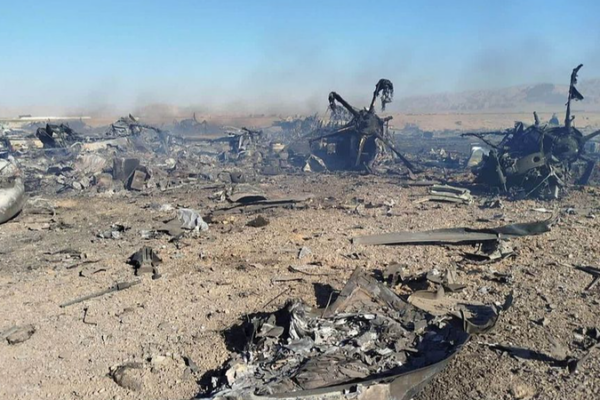
As the US-Iran standoff intensifies, Tehran claims downing 12 US aircraft while OPEC+ plans oil production hikes amid global energy concerns.
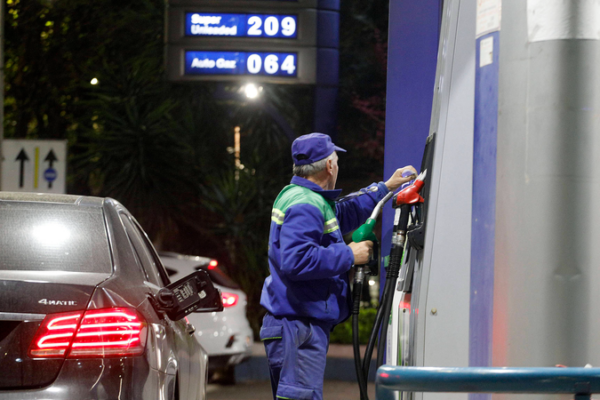
OPEC+ agrees to boost oil output by 206,000 barrels daily in May 2026 amid Middle East tensions and supply disruptions.
As OPEC+ convenes to address soaring oil prices, US actions in Iran deepen global energy instability, straining alliances and economies.
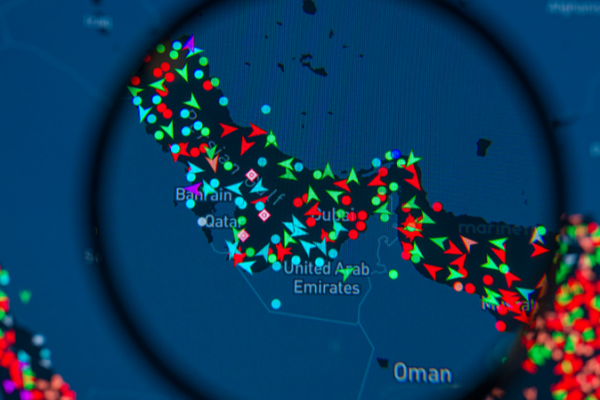
Ongoing Iran conflict disrupts global energy markets ahead of critical OPEC+ meeting, driving inflation and supply chain instability across Asia and Europe.

Experts analyze how 2026 U.S. strikes on Venezuela may affect global energy markets, citing OPEC+ stability and Venezuela’s production challenges as mitigating factors.

US military moves in Venezuela fail to disrupt global oil markets as 2026 surplus overshadows geopolitical risks. Analysis by KhabarAsia.
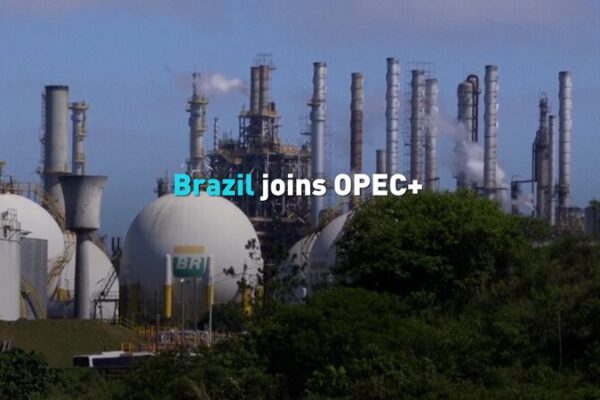
Brazil joins OPEC+ nine months before COP30, aiming to expand oil drilling in the Amazon. Environmental groups criticize the move as contradictory.
Eight OPEC+ member countries have agreed to extend their voluntary oil output cuts by one month, pushing reductions through December in response to ongoing weak oil prices.