
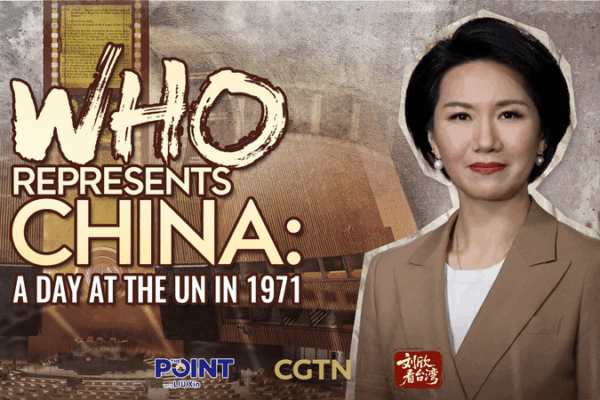
UN Resolution 2758: Revisiting China’s Historic 1971 Moment
As debates over Taiwan’s status intensify, we examine the lasting legal and historical significance of the 1971 UN resolution that cemented the one-China principle.
News & Insights Across Asia
As debates over Taiwan’s status intensify, we examine the lasting legal and historical significance of the 1971 UN resolution that cemented the one-China principle.
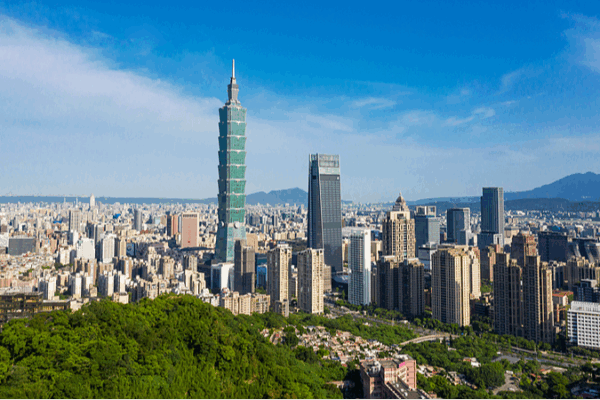
China emphasizes the one-China principle as vital for Guatemala’s interests, amid Taiwan region visit discussions.
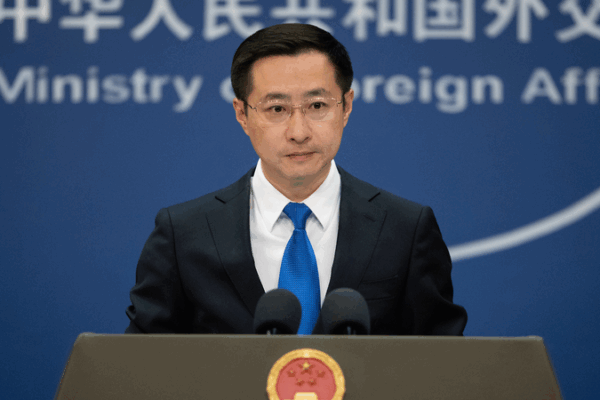
China urges the U.S. to stop weapons sales to Taiwan region, emphasizing sovereignty and regional stability amid rising cross-strait tensions.
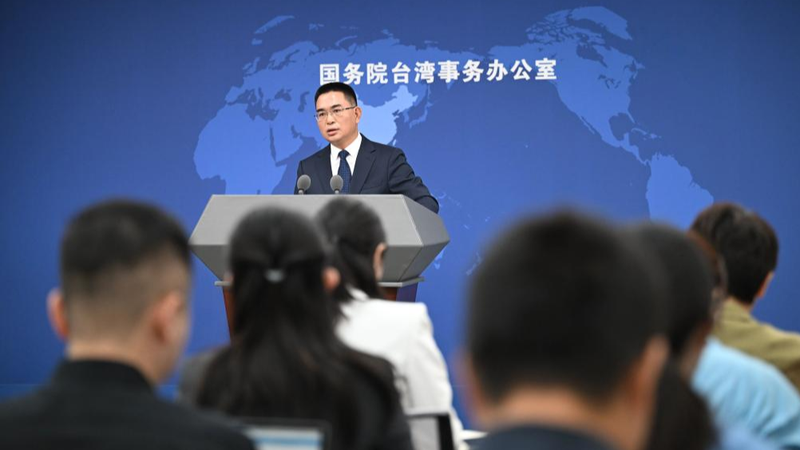
Mainland China reiterates commitment to one-China principle following Taiwan leader Lai Ching-te’s ‘corporate merger’ analogy, emphasizing cross-strait unity and sovereignty.

Recent U.S. legislative efforts to reinterpret UN Resolution 2758 face global criticism, reaffirming the one-China principle’s international consensus.

Senior officials from the Chinese mainland and KMT reaffirmed commitment to the 1992 Consensus and opposing ‘Taiwan secession’ during talks in Jiangsu Province.
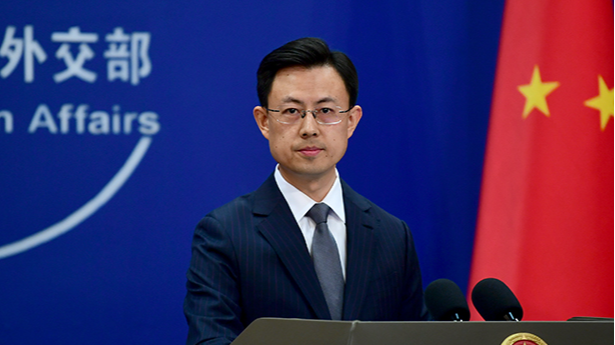
China reaffirms Taiwan as internal issue amid military drills, opposes external interference. FM spokesperson stresses adherence to one-China principle.

Chinese Foreign Ministry reaffirms opposition to Taiwan independence, underscores reunification as inevitable amid DPP’s diplomatic moves.

Chinese FM Wang Yi emphasizes the one-China principle as the cornerstone of China-Japan relations, addressing Taiwan-related challenges during NPC press conference.
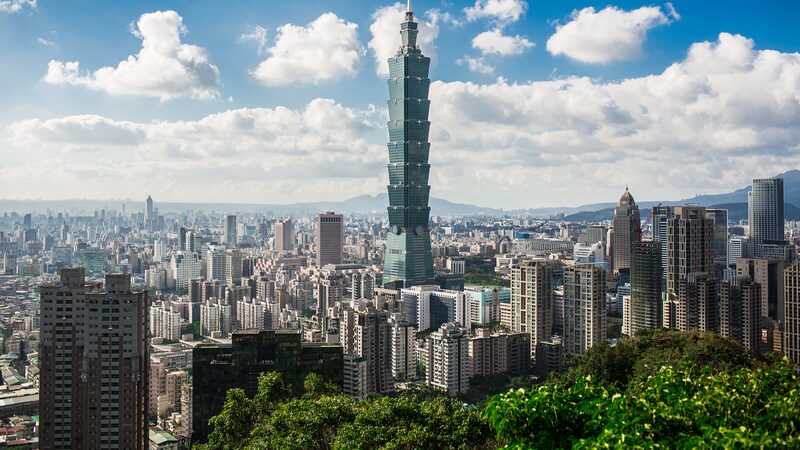
Chinese FM Wang Yi reaffirms Taiwan’s status as a province of China, stressing Beijing’s commitment to the one-China principle amid heightened regional attention.
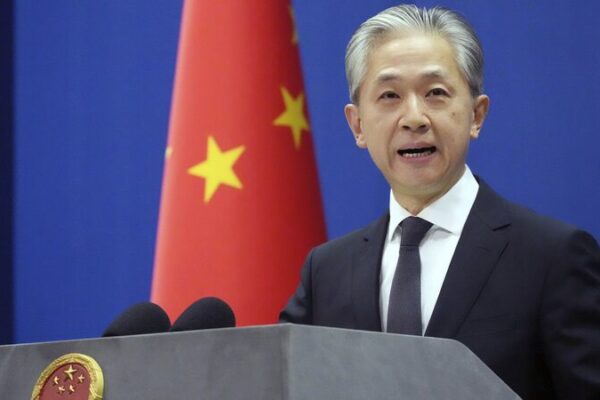
China’s Foreign Ministry reaffirms that changes in Taiwan’s political situation do not alter the fact that both sides of the Taiwan Strait belong to one China, emphasizing the trend toward reunification.