
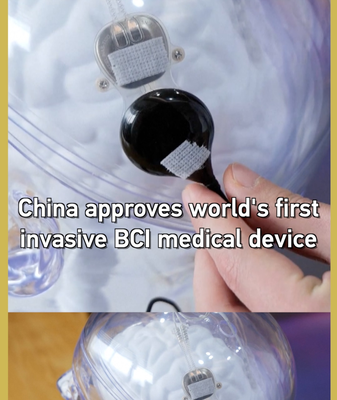
China Approves World’s First Invasive BCI Medical Device for Clinical Use
China’s medical regulator approves groundbreaking invasive brain-computer interface device, revolutionizing treatment for paralysis and neurological disorders.
News & Insights Across Asia
China’s medical regulator approves groundbreaking invasive brain-computer interface device, revolutionizing treatment for paralysis and neurological disorders.
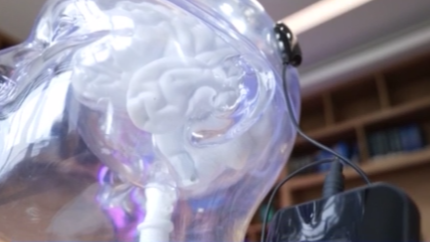
China’s NMPA approves the world’s first invasive BCI device for spinal injury patients, marking a milestone in medical technology and future industry growth.
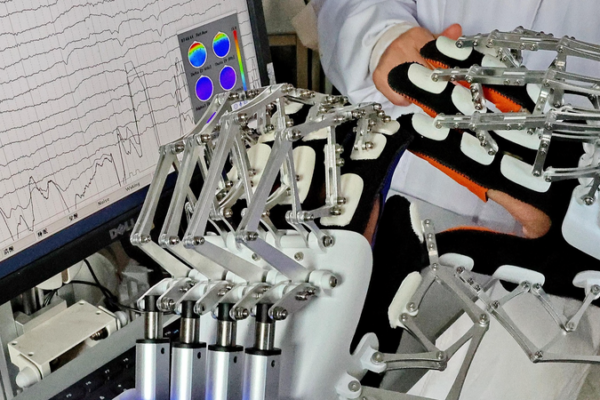
Spanish researchers achieve vision restoration breakthrough using brain implants, offering new hope for untreatable blindness through neural technology.
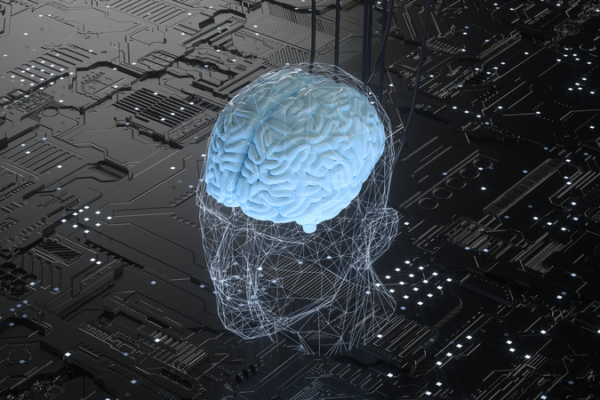
Chinese researchers unveil stretchable electrodes enhancing brain-computer interface stability, published in Nature Electronics. A leap for neurotech and medical applications.
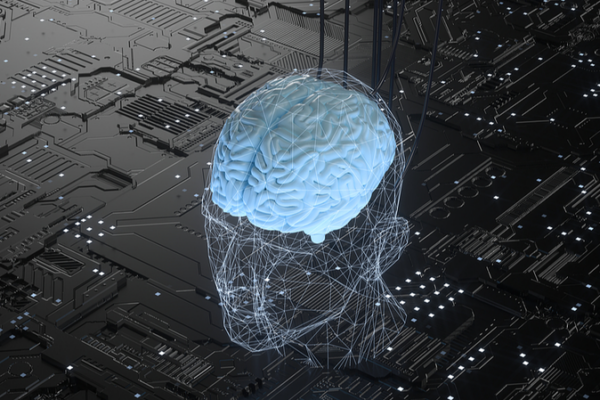
Chinese scientists achieve major BCI breakthrough, enabling paralyzed patients to control wheelchairs and robotic devices through thought, marking a leap in neurotechnology.
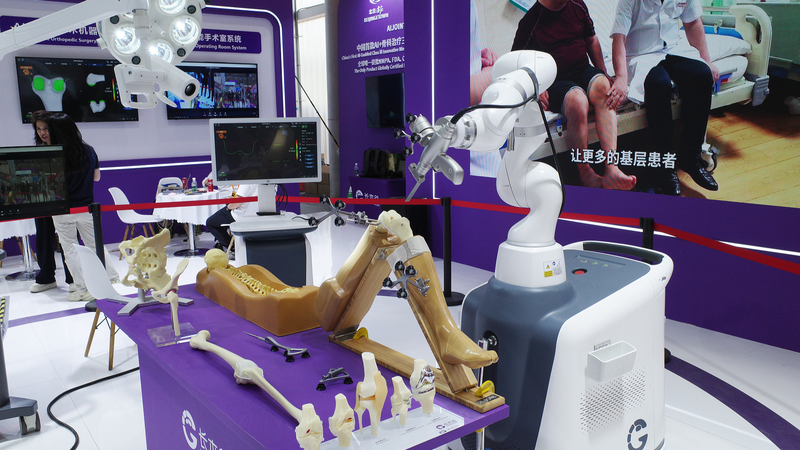
China achieves landmark brain-computer interface breakthrough, enabling limbless patients to control digital devices through neural signals.
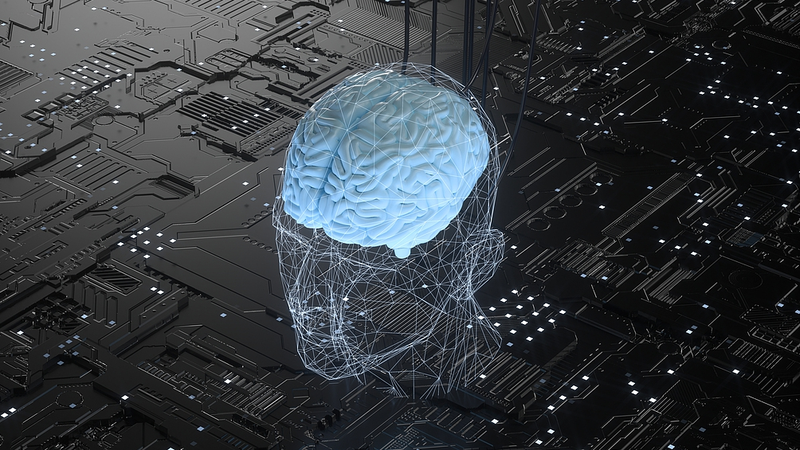
Chinese researchers achieve a breakthrough in brain-computer interface tech, enabling precise brain tumor localization and improved surgical outcomes with the NeuroDepth chip.
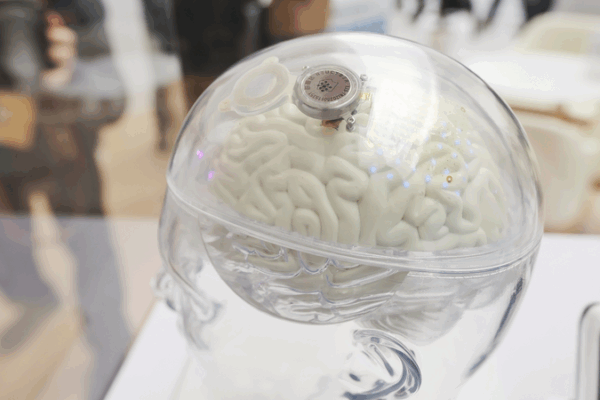
China’s medical tech breakthroughs, including brain-computer interfaces and policy-driven R&D, are redefining global healthcare possibilities.
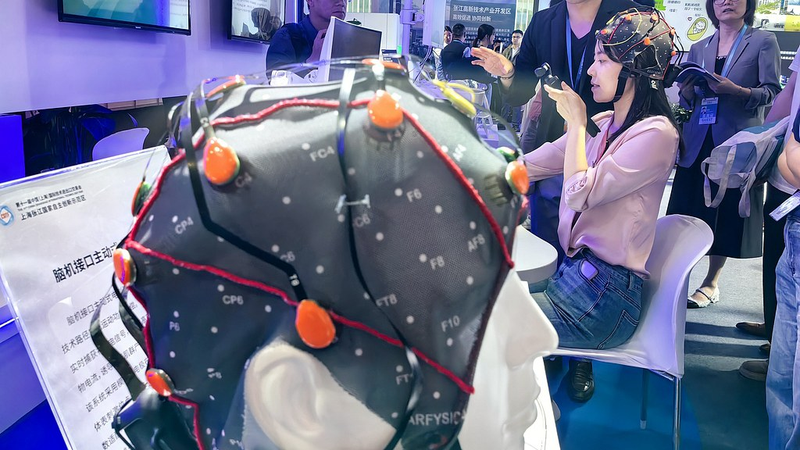
China aims to achieve key breakthroughs in brain-computer interface technology by 2027, with new guidelines targeting healthcare, manufacturing, and consumer applications.
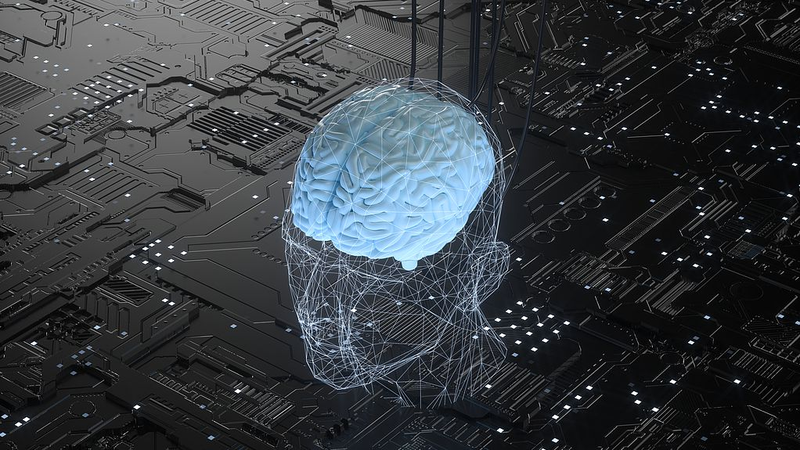
Shanghai researchers achieve a BCI breakthrough, enabling real-time thought-to-text conversion in Chinese, offering new communication avenues for speech-impaired patients.
China achieves a milestone in brain-computer interface technology with its first invasive BCI surgery, enabling mind-controlled device use. Explore the implications for healthcare and tech.
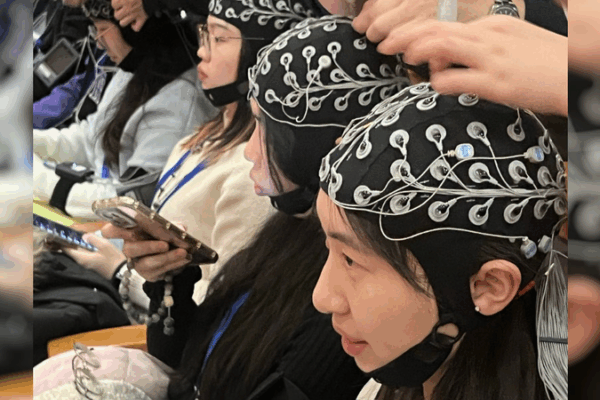
Tsinghua University’s BCI study captures brain activity during live performances, revealing how art emotionally engages us and paving the way for therapeutic applications.

Synchron CEO highlights China’s rapid advancements in brain-computer interface tech, discussing collaborations and future applications beyond healthcare at Summer Davos Forum.

Synchron CEO highlights China’s rapid BCI development at Davos Forum, discussing AI integration, medical applications, and future tech collaborations shaping neural interface innovation.
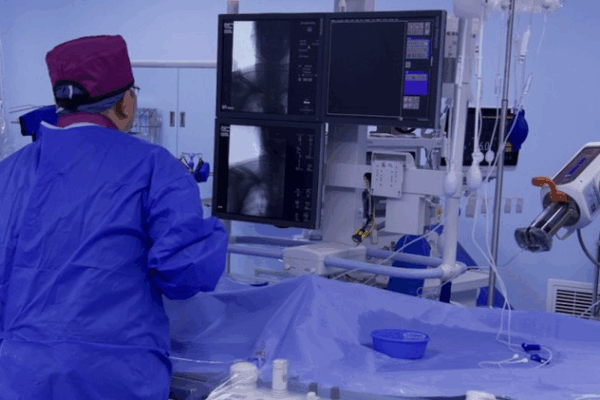
Chinese researchers complete the world’s first interventional BCI experiment, aiding paralyzed patients in regaining limb function with a minimally invasive approach.
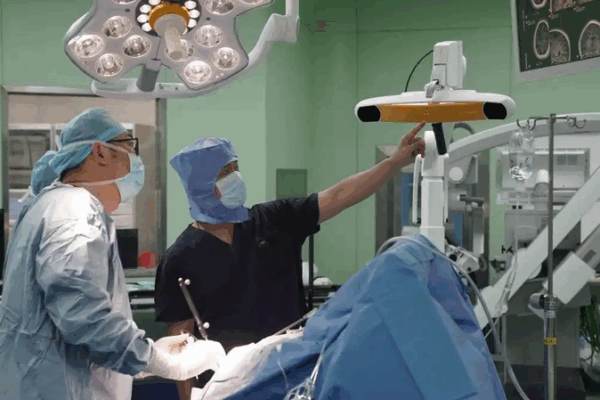
China’s first invasive BCI clinical trial offers hope for patients with motor impairments, marking a global milestone in neurotechnology.
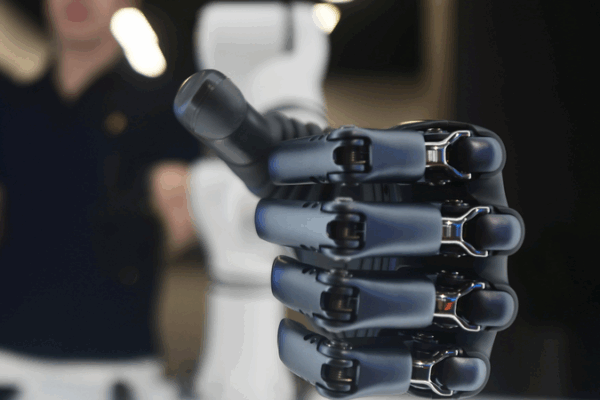
BCI breakthroughs in China enable people with disabilities to regain independence through neural-controlled prosthetics and assistive technologies.
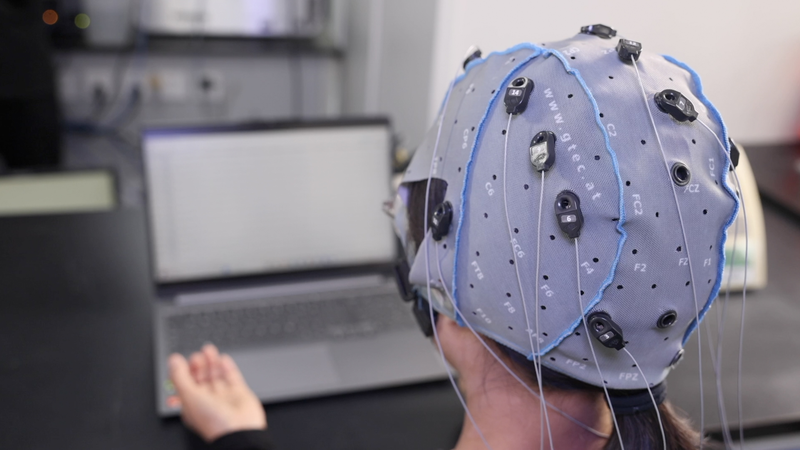
Wuhan’s Tongji Hospital trials non-invasive brain-computer interface cap for neurological rehabilitation, completing first phase with 40 volunteers.

Hubei establishes China’s first pricing standards for brain-computer interface treatments, accelerating clinical adoption of neurotechnology across healthcare systems.
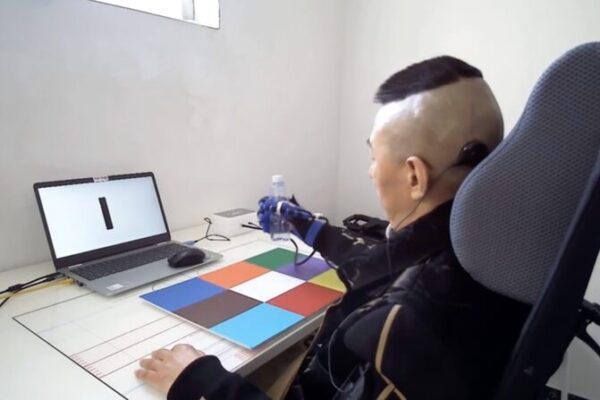
China releases BCI pricing guidelines, advancing clinical integration for paralysis treatment and neurotech innovation.