

Shenzhen’s Healthcare Model: Affordable Care in a Megacity
Shenzhen’s innovative healthcare model combines expanded medical infrastructure and high insurance coverage, ensuring affordable care for all residents amid rapid urban growth.
News & Insights Across Asia
Shenzhen’s innovative healthcare model combines expanded medical infrastructure and high insurance coverage, ensuring affordable care for all residents amid rapid urban growth.
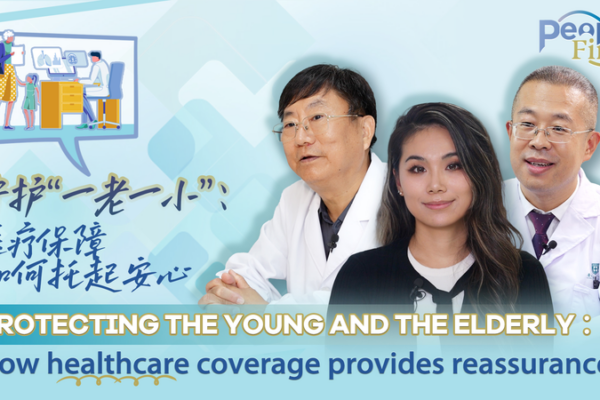
Exploring how Asia’s healthcare systems support lifelong care through insurance programs, from pediatric prevention to elderly chronic disease management.
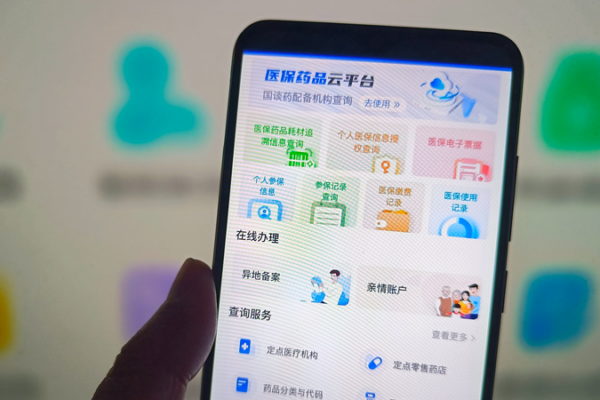
China’s healthcare system, now the world’s largest, focuses on affordability and digital integration in 2026, with expanded insurance coverage and reduced drug costs through strategic reforms.
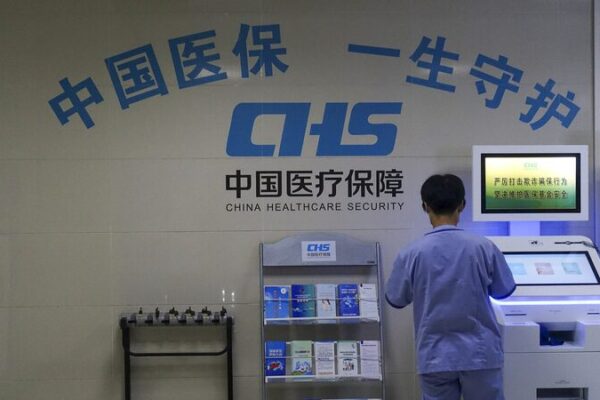
China is expanding its basic medical insurance scheme by enriching its drug catalog, increasing centralized procurement, and adding medical services, boosting accessibility and coverage for millions.

China expands its medical insurance by adding 13 rare-disease drugs, increasing coverage and accessibility for patients across the country.
China’s expanded drug coverage through price negotiations has saved patients over 880 billion yuan as of October 2024, according to the National Healthcare Security Administration.

China’s drug price negotiation program has saved patients over 880 billion yuan ($112.4 billion) as of October 2024, according to the NHSA, highlighting efforts to make medicines more affordable.
China’s medical insurance system showed significant improvements in 2023, enhancing services and expanding coverage, as highlighted in a recent report by the National Healthcare Security Administration.
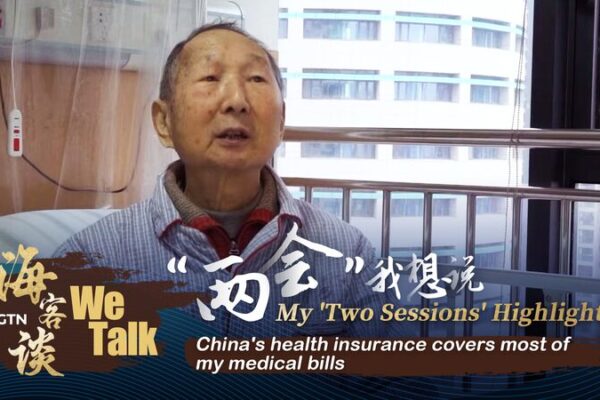
An 82-year-old leukemia patient in Wuhan benefits from China’s medical insurance, which covers most of his hefty medical bills, highlighting the importance of healthcare support for the elderly.