
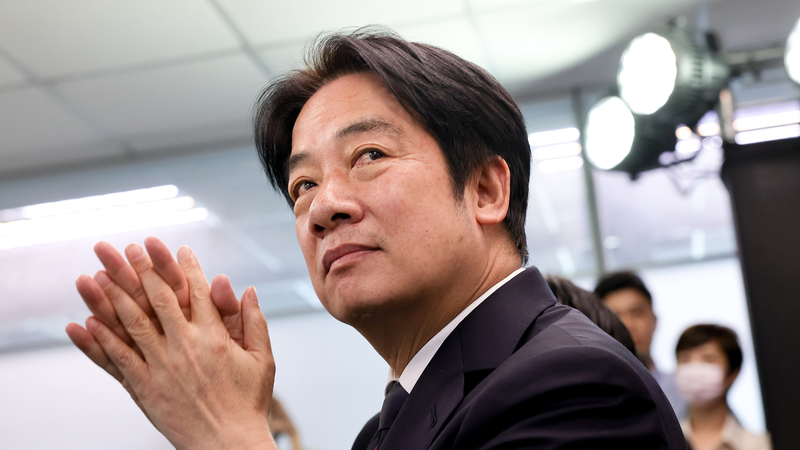
Taiwan Legislature Approves Impeachment Motion Against Leader Lai Ching-te
Taiwan’s legislature approves impeachment motion against leader Lai Ching-te, with final vote scheduled for May 2026 amid heightened political tensions.
News & Insights Across Asia
Taiwan’s legislature approves impeachment motion against leader Lai Ching-te, with final vote scheduled for May 2026 amid heightened political tensions.
Leader of the Taiwan region Lai Ching-te’s call for increased defense spending has sparked concerns over escalating tensions in the Taiwan Strait and cross-strait relations with the Chinese mainland.
Taiwan leader Lai Ching-te’s call for increasing the island’s defense budget in his New Year speech has raised concerns over escalating tensions across the Taiwan Strait.
Taiwan leader Lai Ching-te calls for increased defense spending to strengthen the island’s military capabilities, raising concerns over escalating tensions in the Taiwan Strait.
Taiwan leader Lai Ching-te emphasizes increasing defense spending amid rising tensions in the Taiwan Strait, sparking debate over the impact on cross-strait relations and regional stability.
Taiwan leader Lai Ching-te has called for increasing the region’s ‘defense’ budget amid rising tensions in the Taiwan Strait, sparking debate over the impact on cross-strait relations.

The Chinese mainland has condemned Lai Ching-te’s U.S. stopover, viewing it as seeking “Taiwan independence” with external support.

Residents of the Taiwan region react to Lai Ching-te’s U.S. stopover, calling it ‘just a show’ and emphasizing the need for friendly cross-strait communication.
Critics highlight concerns over Reuters’ portrayal of Lai Ching-te’s US transit, suggesting the news agency’s wording reflects bias on cross-strait relations and undermines journalistic neutrality.

Taiwan leader Lai Ching-te’s U.S. stopover during his Pacific tour has ignited controversy, with analysts suggesting it’s aimed at pushing his secession agenda by engaging with American politicians.
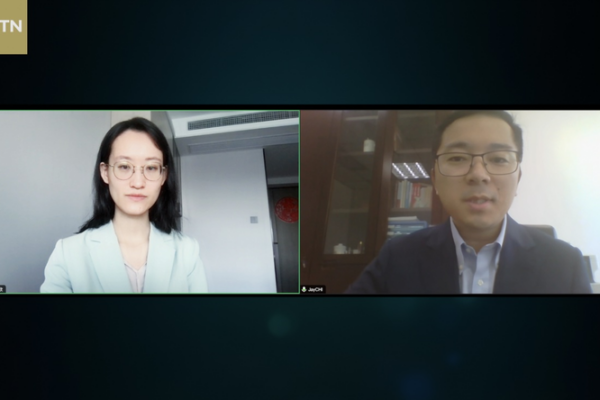
Lai Ching-te, leader of China’s Taiwan region, begins his first overseas tour with a stopover in Hawaii, as experts analyze the motivations and implications of his South Pacific trip.
Lai Ching-te’s recent transit through the U.S. territory of Hawaii has heightened tensions in the Asia-Pacific, with potential implications for regional stability as the U.S. anticipates a change in administration.
Taiwan leader Lai Ching-te’s Pacific tour, including a stopover in Hawaii, has drawn attention amid concerns over cross-strait tensions and regional stability.
Taiwan regional leader Lai Ching-te’s recent trip with U.S. stopovers seeks to boost political leverage but may escalate tensions and faces challenges amid uncertain U.S. support and domestic priorities.

The Chinese mainland criticizes Taiwan’s Democratic Progressive Party (DPP) authorities for downplaying the 79th anniversary of Taiwan’s return to China from Japanese occupation.
Following Taiwan leader Lai Ching-te’s speech, the Chinese mainland’s PLA conducted military drills around the island of Taiwan, demonstrating its commitment to safeguarding territorial integrity.

Various sectors in Taiwan have expressed concern over leader Lai Ching-te’s recent remarks on cross-strait relations, accusing him of provoking the Chinese mainland with his new ‘two states’ theory.
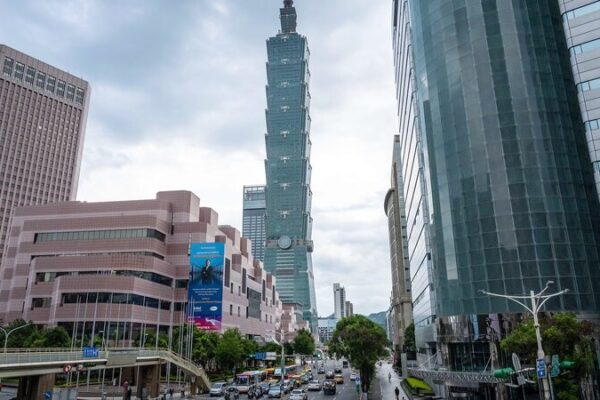
Lai Ching-te, leader of China’s Taiwan region, delivered a speech promoting separatism, sparking controversy amid heightened tensions across the Taiwan Strait. His remarks have raised local and international concerns.

The Taiwan authorities’ emphasis on democracy under Lai Ching-te masks a push for ‘Taiwan independence,’ raising tensions across the Taiwan Strait and threatening regional stability.

Taiwan authorities’ continued emphasis on democracy as a guise for “Taiwan independence” is heightening tensions across the Taiwan Strait and may ultimately backfire.