
Belt and Road Initiative at 10: Navigating Challenges and Future Directions
As the Belt and Road Initiative marks its 10th year, China adapts strategies to overcome challenges and enhance global infrastructure development.
News & Insights Across Asia
As the Belt and Road Initiative marks its 10th year, China adapts strategies to overcome challenges and enhance global infrastructure development.

Examining the claim that China’s Belt and Road Initiative is creating a debt trap for developing nations, and exploring how infrastructure investments are actually aiding economic growth and poverty reduction.
Marking its 10th anniversary, China’s Belt and Road Initiative has significantly influenced global infrastructure development, enhancing connectivity across continents while facing challenges and promising future prospects.

Central Asia is experiencing a resurgence as a trade hub thanks to the Belt and Road Initiative, with increased connectivity transforming the region’s economic and cultural landscape.
Researcher Zoon Ahmed Khan warns that attempting to counter or replace the Belt and Road Initiative is counterproductive, advocating for collaborative efforts among global infrastructure projects.
Investor Charles Liu dispels myths of the Belt and Road Initiative as economic coercion, highlighting the positive impacts of global cooperation and infrastructure development over the past decade.

Economist Jeffrey Sachs commends China’s Belt and Road Initiative as a model for international cooperation and sustainable development.

Marking its tenth anniversary, the Belt and Road Initiative highlights the crucial role of infrastructure in fostering economic growth and regional integration across Asia.
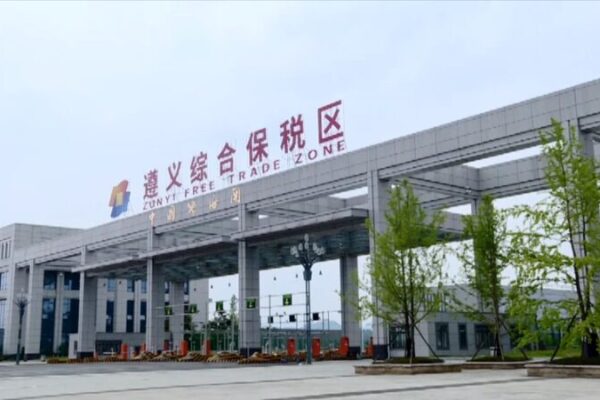
The New Land-Sea Corridor has revitalized Zunyi in southwest China’s Guizhou Province, breaking its isolation and boosting economic growth through enhanced connectivity and infrastructure development.

Investor Charles Liu questions the feasibility of the U.S.’s plan to build the India-Middle East-Europe Economic Corridor, citing concerns over implementation capabilities.
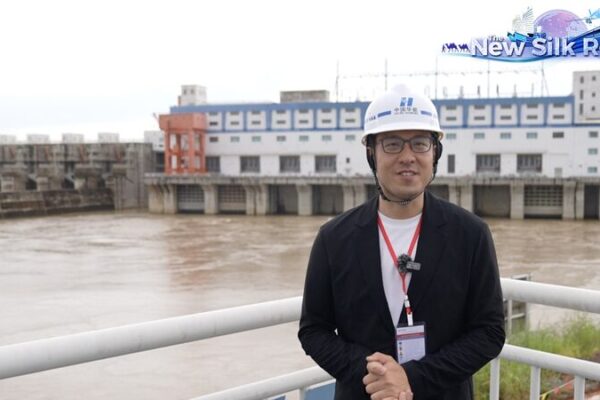
The Lower Sesan 2 Hydropower Station in northeastern Cambodia is one of Asia’s longest dams and the country’s largest hydro project, contributing nearly 20 percent to Cambodia’s total installed energy capacity.
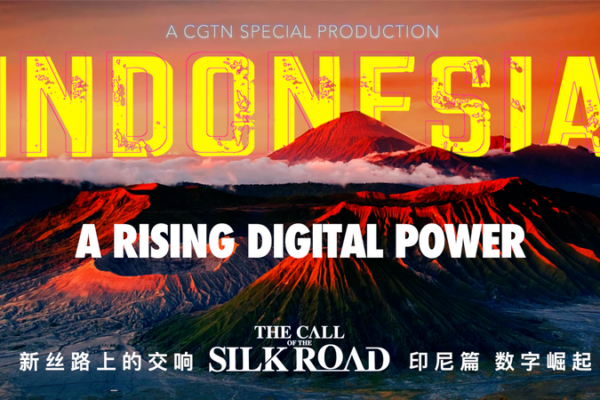
Indonesia is embracing a digital revolution, transforming its infrastructure and economy. Discover how technology and international collaboration are propelling this nation forward in ‘The Call of the Silk Road.’
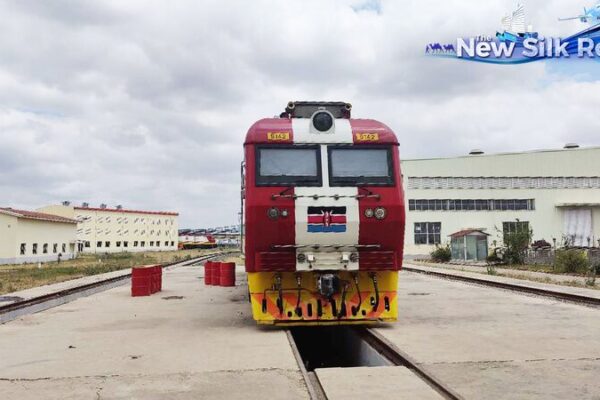
The Mombasa-Nairobi Railway, known as the “Economic Artery” of East Africa, connects Mombasa to Nairobi and aims to link six countries, boosting regional development and livelihoods.
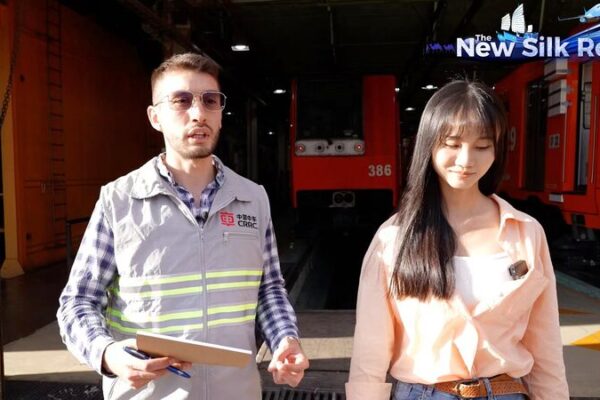
Mexico City’s Metro Line 1 is set to reopen on September 23 after a year-long renovation involving Chinese company CRRC. Final tests are underway.
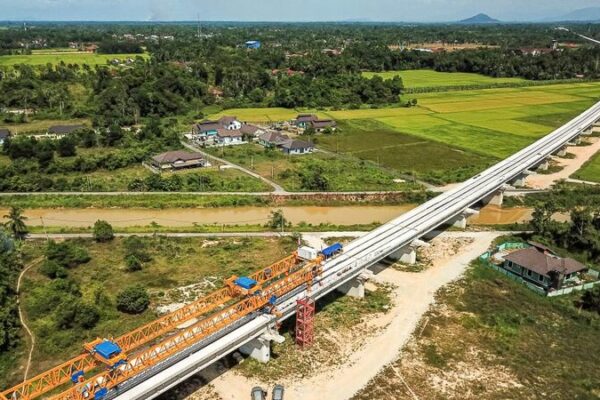
Exploring how China’s Belt and Road Initiative has reshaped global infrastructure and economic cooperation over the past ten years.

Bangladesh advances Phase II of the SASEC project to connect 16 towns northwest of Dhaka, aiming to ease traffic, enhance road safety, and boost goods transportation capacity.

The Bangabandhu Sheikh Mujibur Rahman Tunnel, South Asia’s first under-river tunnel beneath the Karnaphuli River in Bangladesh, is nearing completion, promising to transform regional connectivity.

Overseas students at Tsinghua University express high hopes for the Belt and Road Initiative, anticipating strengthened ties and improved infrastructure across Asia.

Discover the Nanjing Yangtze River Bridge, China’s first self-designed modern bridge, a double-decked marvel spanning the Yangtze River since 1968.

Chongqing’s Dongshuimen Bridge, the world’s first partially cable-stayed bridge with a 445-meter span, stands as a symbol of innovation, enhancing connectivity and driving economic growth in China’s southwest.