
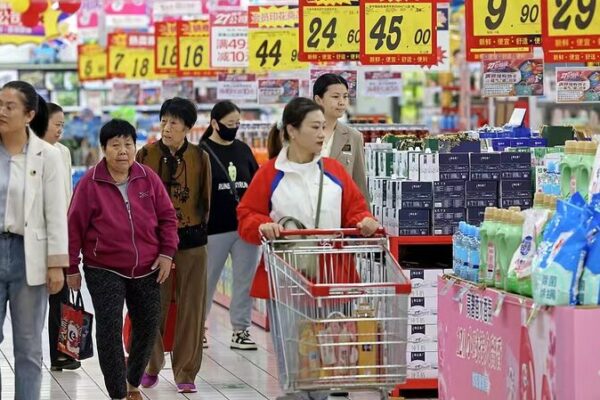
China’s Consumer Prices See Moderate Rise in September Amid Stimulus Efforts
China’s consumer prices saw a moderate rise in September, indicating potential growth in market demand amid new economic stimulus policies.
News & Insights Across Asia
China’s consumer prices saw a moderate rise in September, indicating potential growth in market demand amid new economic stimulus policies.
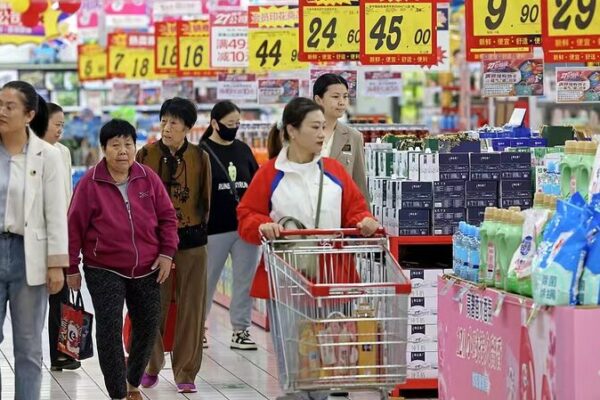
China’s consumer prices rose moderately in September, with the CPI increasing by 0.4% year on year. Experts predict market demand will rise following new economic stimulus policies.

China’s consumer prices rose in August due to extreme weather, while producer prices fell further amid weak demand and falling commodity prices, signaling complex economic challenges ahead.

At the 2024 Bund Summit in Shanghai, former central bank officials from the U.S., Japan, and Europe shared insights on monetary policies amid uncertain economic outlooks.

U.S. Federal Reserve Chair Jerome Powell signals a possible interest rate cut in September amid easing inflation, speaking at the Jackson Hole Economic Policy Symposium.
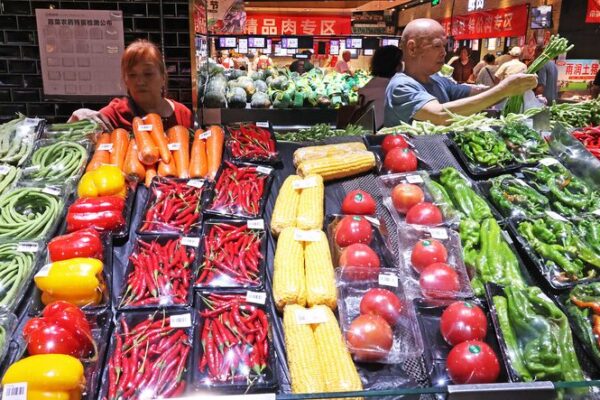
China’s CPI rose 0.5% year on year in July, signaling an inflation rebound driven by seasonal factors, according to NBS data.
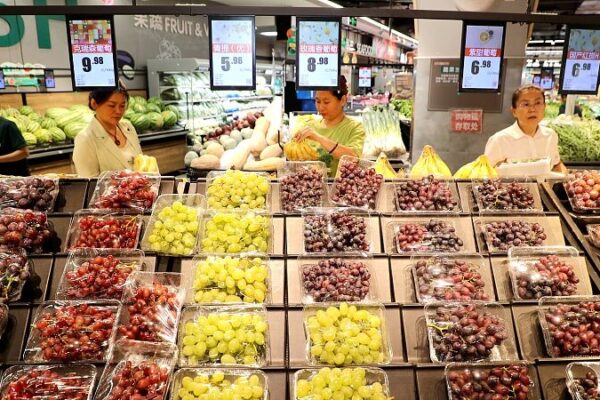
China’s consumer price index (CPI), a key measure of inflation, increased by 0.5% year-on-year in July, according to the National Bureau of Statistics. The modest rise indicates steady economic activity.
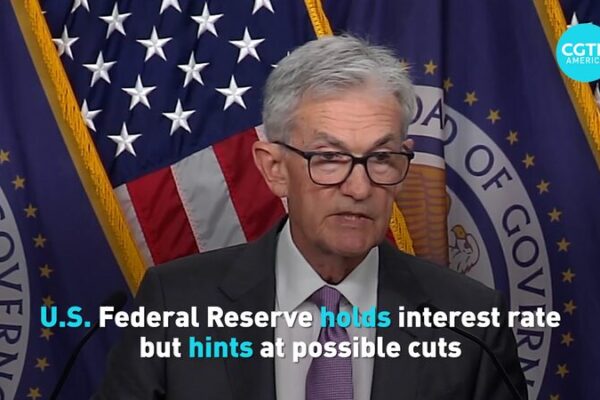
The U.S. Federal Reserve holds interest rates steady but signals possible cuts ahead to combat inflation, impacting global and Asian markets.
China’s consumer price index (CPI) rose by 0.2% year-on-year in June, signaling stable inflation. The producer price index (PPI) decline narrowed, suggesting potential stabilization in industrial prices.
Ahead of the U.S. presidential election, ordinary Americans continue to grapple with economic hardships, despite political promises of recovery.
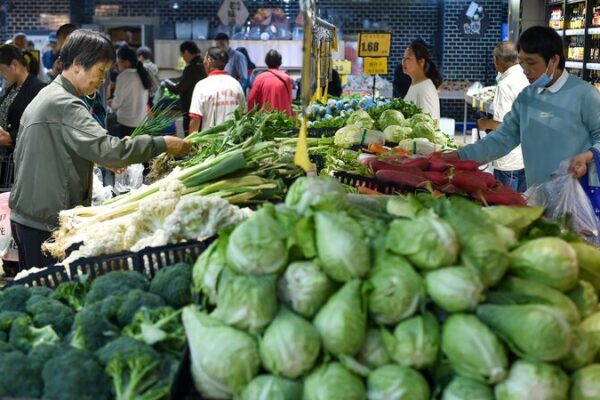
China’s consumer price index rose by 0.3% year-on-year in April, signaling modest inflation as the producer price index decline narrows, according to the National Bureau of Statistics.
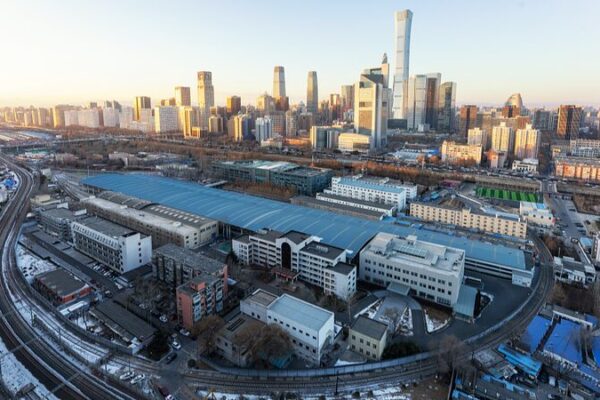
China’s CPI rose 0.1% year on year in March, while PPI fell 2.8%, reflecting seasonal demand changes after the Spring Festival holidays, according to the National Bureau of Statistics.

An unprecedented wave of worker strikes is sweeping across the United States in 2023, as over 453,000 employees protest rising income inequality and economic policies that have widened the wealth gap.

China’s CPI rose by 0.7% year-on-year in February, reversing a previous decline, while the PPI fell by 2.7%, according to the National Bureau of Statistics.

Economists Li Daokui and Thomas Sargent discuss the potential slowdown of global economic growth in 2024 and explore strategies for countries to regain resilience amid geopolitical risks and inflation.

Australia’s central bank holds interest rates steady at 4.35%, maintaining a 12-year high amid ongoing inflation concerns and signaling possible future hikes.

Despite President Biden’s declaration of a ‘great year’ with 2.7 million jobs created in 2023, polls show Americans remain discontent with the economy, highlighting a disconnect between economic figures and public sentiment.

Argentina has elected Javier Milei as president. Can his radical economic reforms tame soaring inflation and revive the economy?

UNCTAD’s 2023 Trade and Development Report highlights significant global economic challenges for next year, including inflation, inequality, and sovereign debt, urging pragmatic policies and financial reforms.
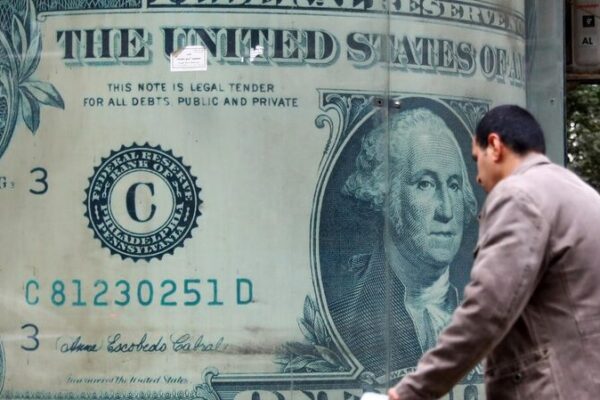
Gradual, industry-specific interventions in the U.S. economy are quietly undermining growth, much like a frog slowly boiling without noticing the rising heat. This article explores the hidden costs of these policies.