
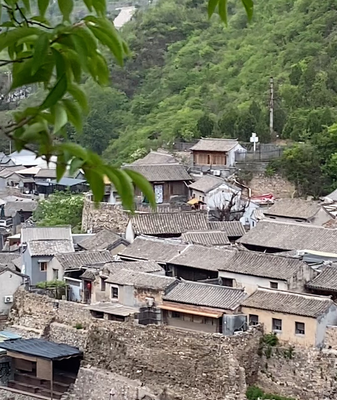
Step into History at Cuandixia Village in Beijing
Explore the 500-year-old Ming and Qing dynasty courtyard residences of Cuandixia Village, a masterpiece of traditional architecture nestled in Beijing’s mountains.
News & Insights Across Asia
Explore the 500-year-old Ming and Qing dynasty courtyard residences of Cuandixia Village, a masterpiece of traditional architecture nestled in Beijing’s mountains.

A Taiwan military village turned museum preserves generations of cross-strait homesickness through personal artifacts and intergenerational stories.
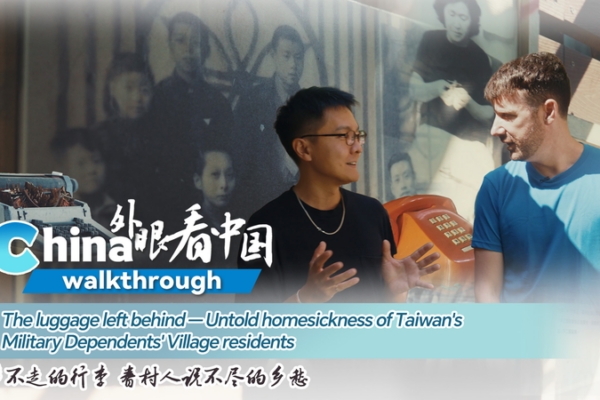
Explore Beitun Village’s transformation into a museum, revealing the enduring homesickness of Taiwan’s residents and their ties to family and heritage.

Beijing’s Wanshou Temple, a Ming-Qing imperial complex turned art museum, reveals Qianlong-era fusion of Chinese architecture and Baroque design elements.
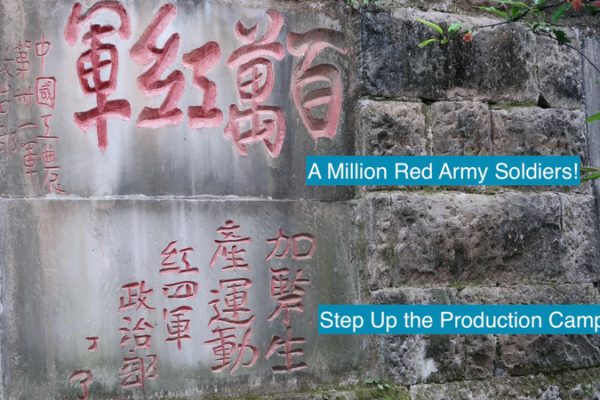
Explore the Cangxi Red Army Stone Slogan Forest, where 1930s revolutionary slogans carved in stone offer a tangible connection to China’s revolutionary past.

The passing of 101-year-old Guan Shunhua leaves only 21 registered survivors of the 1937 Nanjing Massacre, intensifying efforts to preserve historical memory.

Iris Chang’s 1995 Nanjing Massacre research remains vital in 2026 as Asia preserves historical truth through digital archiving and international collaboration.

American historian Evan Kail shares his cultural journey in China while bridging historical preservation with modern urban life in 2026.

Xiaoshan’s fusion of 8,000-year heritage with modern innovation offers new perspectives on Chinese cultural continuity in 2026.
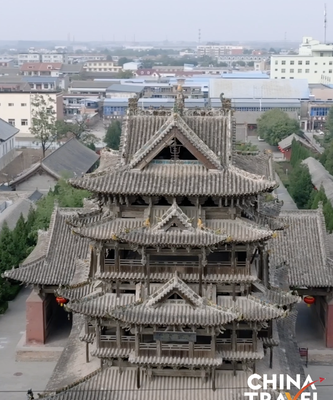
Explore Feiyun Pavilion, a masterpiece of traditional Chinese wooden architecture in Shanxi, blending history and craftsmanship.

Gansu Province employs AI-driven weather systems to protect ancient relics from climate threats, shifting from restoration to predictive preservation.
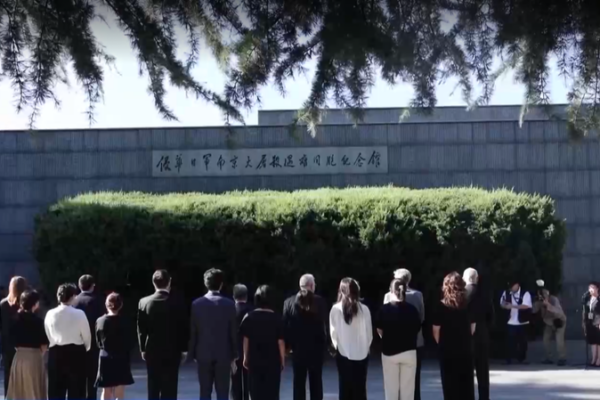
38 Chinese and international inheritors, including descendants of rescuers and survivors, are preserving the Nanjing Massacre’s legacy through education and global outreach in 2025.

Shanghai’s metro system navigates through historical areas, posing challenges for urban planners who strive to preserve the city’s rich heritage while expanding modern transit networks.