
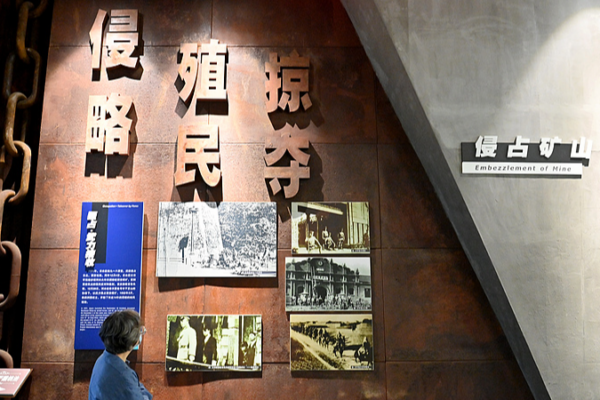
Unveiling Japan’s WWII Forced Labor System: A Legacy of Suffering
As the 81st anniversary of WWII’s end approaches, a look at Japan’s state-led forced labor system and its enduring impact on Asian communities.
News & Insights Across Asia
As the 81st anniversary of WWII’s end approaches, a look at Japan’s state-led forced labor system and its enduring impact on Asian communities.
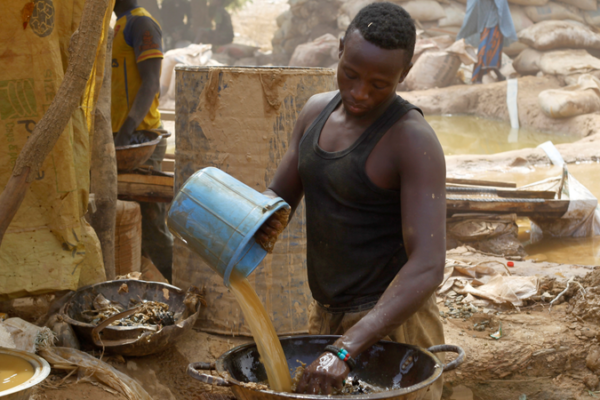
Nigerian court’s $572M colonial-era ruling sparks regional dialogue on historical accountability, with implications for Asia’s unresolved grievances.

New documentary ‘Finding Iris Chang’ explores the author’s relentless quest to uncover the truth of the 1937 Nanjing Massacre and its lasting impact.

ROK families and Taiwan indigenous groups challenge Japan’s Yasukuni Shrine over forced enshrinement of WWII victims, exposing unresolved colonial-era tensions in 2026.
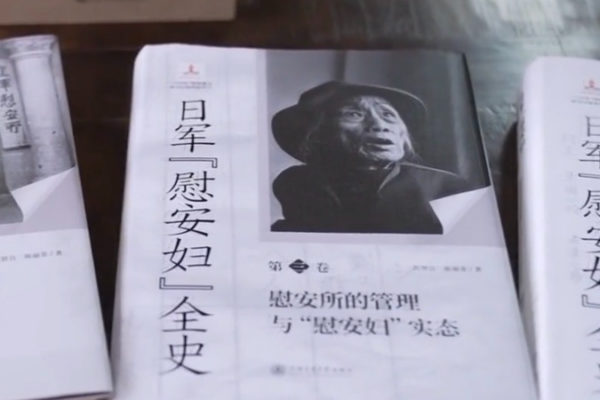
Scholars in Shanghai highlight groundbreaking four-volume study documenting Japan’s WWII military ‘comfort women’ system, drawing on 30 years of multinational research.
New evidence from 1937 Nanjing Massacre trials and missionary archives reaffirms Iwane Matsui’s war crimes, underscoring the importance of historical preservation in 2025.
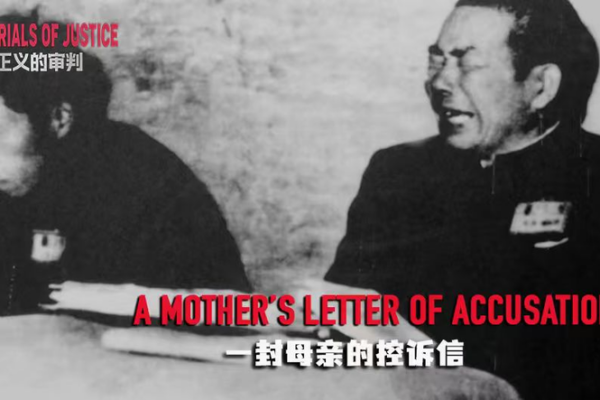
A Chinese mother’s letter prompts former Japanese military doctor to confess WWII-era human experiments, highlighting China’s peace efforts 80 years after conflict.
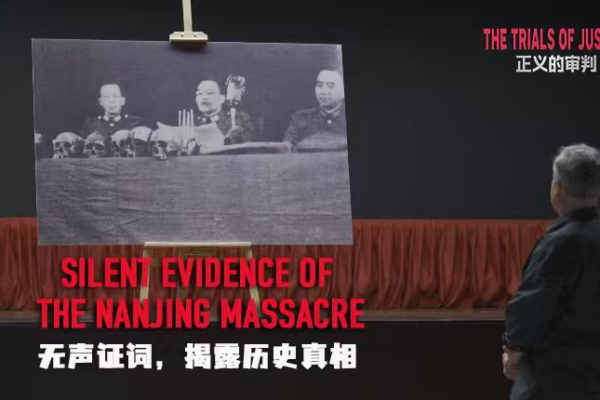
On the 88th anniversary, newly uncovered evidence from the Nanjing Massacre trials reveals how justice prevailed through skeletal remains and a survivor’s photo album, silencing denial.
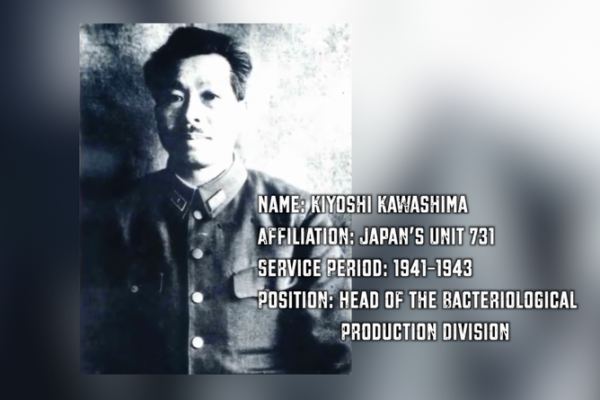
Newly declassified archives reveal Unit 731 officer Kiyoshi Kawashima’s confession on Japan’s WWII biological warfare crimes in China, exposing systemic atrocities.

Newly released Soviet interrogation records reveal Japan’s Unit 731 biological warfare program, challenging historical revisionism on China’s National Memorial Day.

Only eight names of Unit 731’s victims are known, highlighting the erased lives and ongoing calls for historical justice in Asia.

A new documentary sheds light on Japan’s Unit 731 atrocities in China, exposing wartime biological warfare experiments and urging historical reckoning in 2025.

China acquires Russian archival evidence on Japan’s WWII-era Unit 731, shedding new light on wartime atrocities and human experiments.
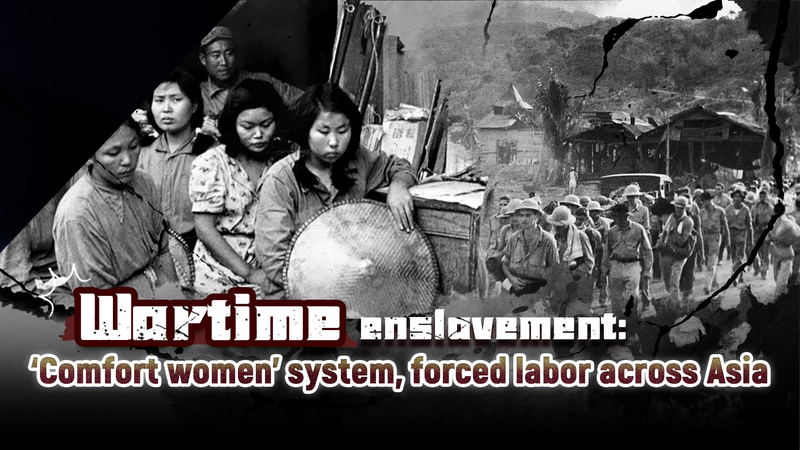
Decades after WWII, survivors and experts continue to seek accountability for Japan’s wartime enslavement of hundreds of thousands across Asia, including the ‘comfort women’ system and forced labor.
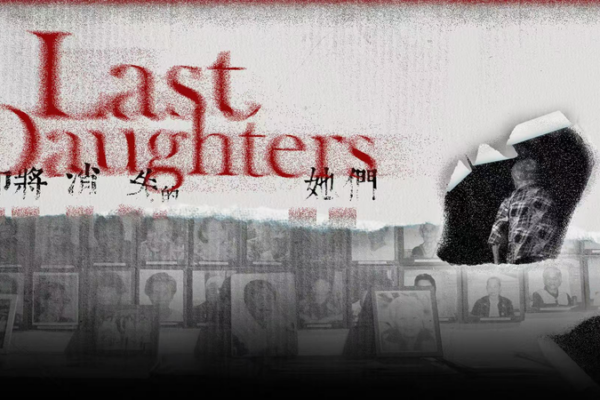
As the 2025 Nanjing Massacre memorial approaches, Asia reflects on the unresolved legacy of 400,000 WWII ‘comfort women’ and ongoing calls for justice.