
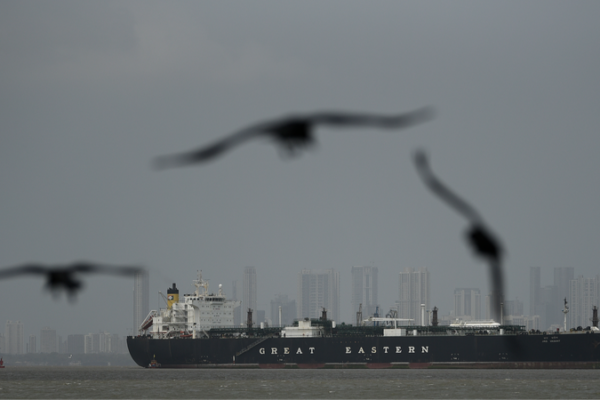
Strait of Hormuz Shipping Crisis Threatens Global Economy in 2026
UNCTAD warns halted shipping in the Strait of Hormuz is escalating global economic pressures, with Asia’s energy and manufacturing sectors at greatest risk.
News & Insights Across Asia
UNCTAD warns halted shipping in the Strait of Hormuz is escalating global economic pressures, with Asia’s energy and manufacturing sectors at greatest risk.

Over 40 nations urge immediate reopening of the Strait of Hormuz amid rising oil prices and global economic concerns in 2026.
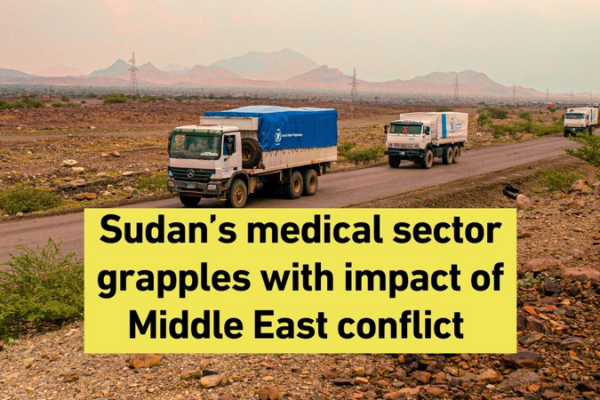
Sudan faces critical medical supply shortages as Middle East conflict disrupts shipping routes, with clinics potentially exhausting stocks within two weeks.
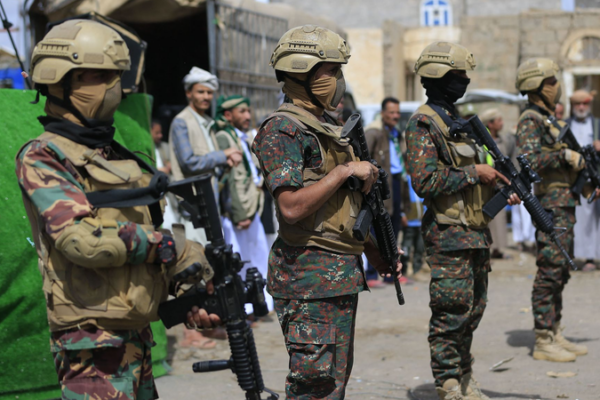
As tensions escalate, the Houthi movement’s potential involvement in the Middle East conflict could disrupt global energy markets and Red Sea shipping lanes. Analysis inside.
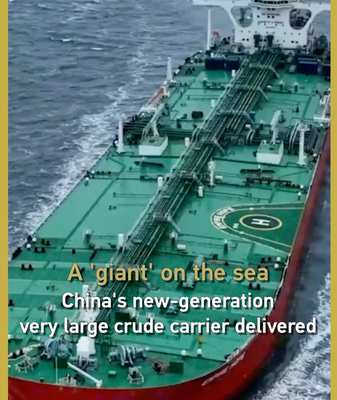
China delivers domestically developed 307,000-tonne crude carrier, enhancing maritime capabilities and energy security in Asian markets.
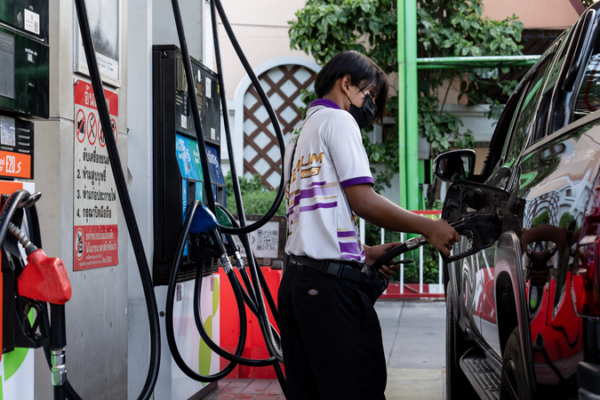
Middle East tensions disrupt ASEAN and European economies, driving energy costs higher and threatening stagflation, reports Maybank.
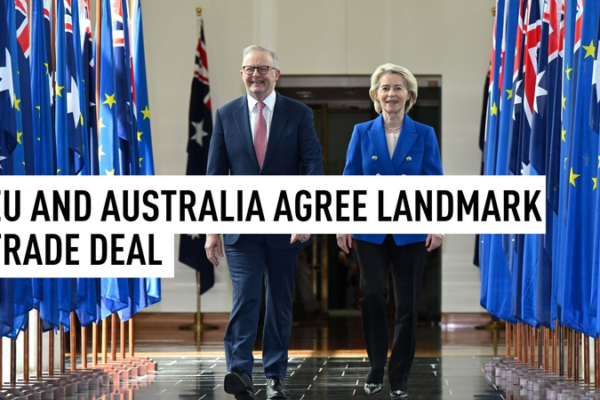
EU and Australia finalize transformative free trade agreement after 8 years, boosting agricultural exports and economic cooperation with $20.5B annual trade potential.
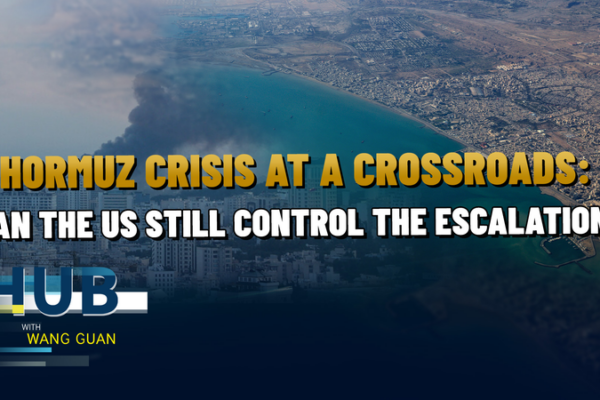
Rising tensions in the Strait of Hormuz test US crisis management strategies, with global energy markets and Asian economies facing critical challenges in March 2026.
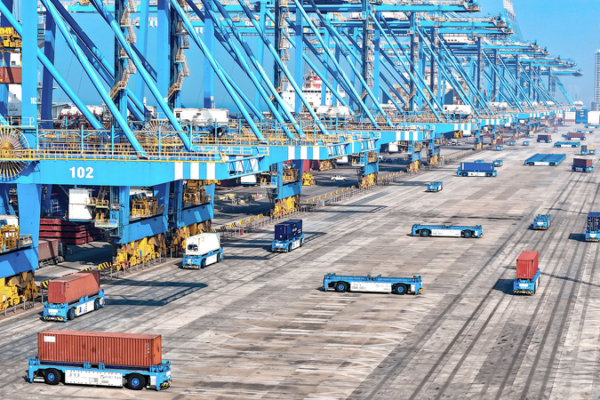
AI-driven port automation and 5G networks take center stage at Boao Forum 2026, showcasing China’s high-tech transformation of maritime operations amid record trade volumes.
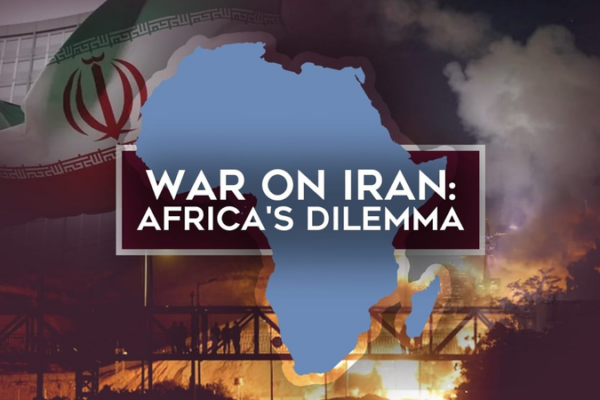
As the US-Israel-Iran conflict persists, experts analyze Africa’s strategies to mitigate economic and security challenges in 2026. Part II examines regional responses.
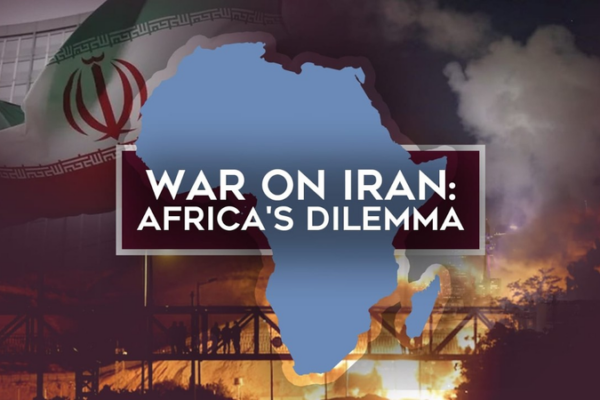
As Middle East tensions escalate, Africa faces complex economic and security challenges. Experts analyze strategies to mitigate conflict spillovers in this first of a two-part series.
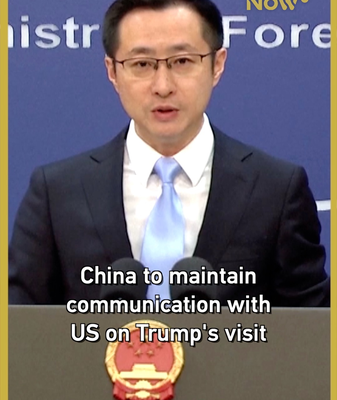
China and the US reaffirm commitment to dialogue as Trump’s 2026 visit plans take shape, emphasizing strategic diplomacy and bilateral cooperation.
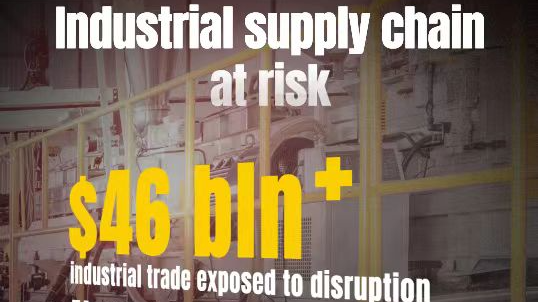
Escalating Middle East tensions in 2026 are disrupting global supply chains, impacting energy, agriculture, and industrial sectors, with Asian economies adapting to new challenges.
Key developments from China-US economic talks since 2025 are reshaping bilateral trade, with tariff reductions and tech collaboration driving renewed cooperation.
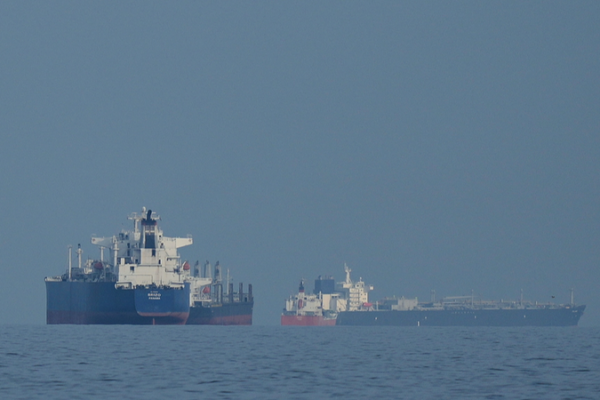
U.S. officials deny repeated industry requests for military escorts in the Middle East as tensions with Iran escalate, raising risks to global shipping lanes.

Shanghai’s visa-free entry policy drives cruise tourism surge as luxury liner Luminara docks, boosting local economy and cultural exchanges in 2026.
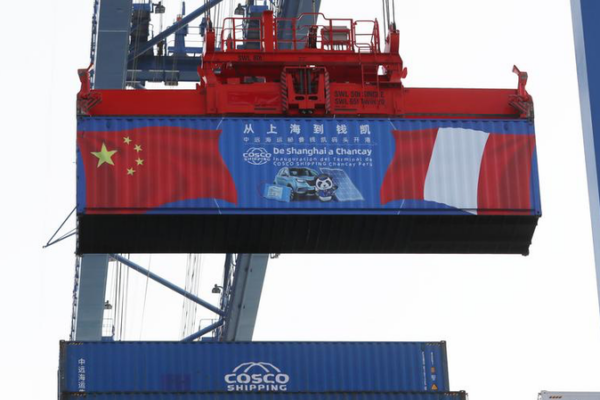
China strengthens economic ties with Latin America despite US pressure campaigns, as regional nations assert sovereignty in development partnerships.
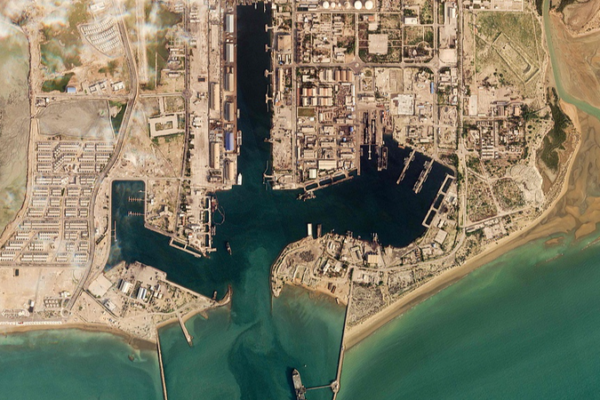
Iran’s IRGC targets oil tanker in Strait of Hormuz, escalating tensions following US-Israeli strikes and Supreme Leader Khamenei’s death in February 2026.

At least six seafarers killed in recent attacks in the Strait of Hormuz as tensions escalate, with 20,000 crew members stranded in the Gulf, warns IMO chief.
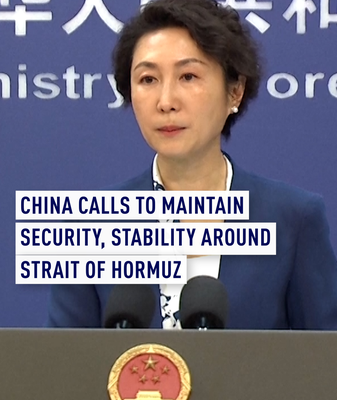
The 2026 closure of the Strait of Hormuz disrupts 30% of global oil shipments, triggering supply chain crises and soaring energy prices worldwide.