
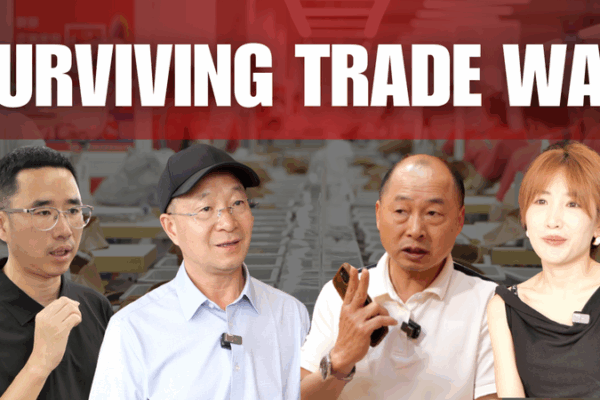
China’s Trade War Resilience: How Businesses Adapt Under Pressure
Amid U.S. tariffs, Chinese manufacturers pivot strategies to sustain growth and navigate global trade challenges. Insights from the ground.
News & Insights Across Asia
Amid U.S. tariffs, Chinese manufacturers pivot strategies to sustain growth and navigate global trade challenges. Insights from the ground.
Chinese and U.S. officials held talks in Geneva, emphasizing economic coordination amid global market uncertainties, with trade and climate priorities on the agenda.
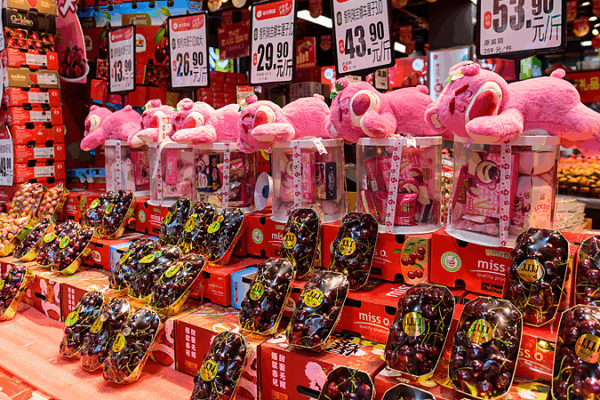
China’s trade with Latin America and the Caribbean hits $500 billion, fueled by Chilean cherries, new FTAs, and $600B in Chinese investments reshaping global supply chains.
Top officials from China and the U.S. convene in Geneva to discuss economic cooperation and trade relations, signaling potential shifts in global markets.
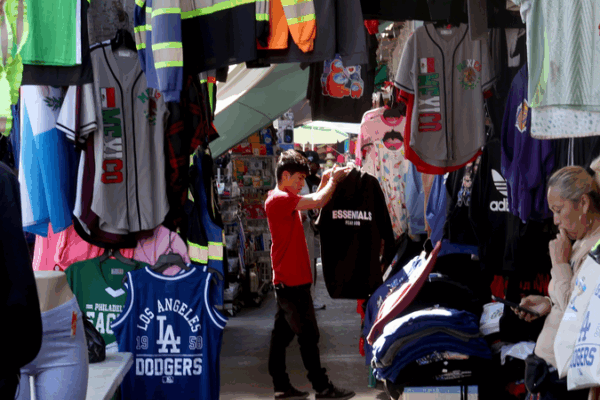
Over 60% of U.S. small businesses report economic pessimism amid tariff pressures and recession fears, according to a new CNBC survey.

Senior Chinese and U.S. officials launch high-stakes economic talks in Geneva, focusing on trade cooperation and global market stability amid rising uncertainties.

Major US footwear companies urge tariff exemptions, warning of closures and economic strain from 37.5% tariffs on shoes.

Nvidia plans a modified H20 AI chip for China by July after US export restrictions blocked the original model, aiming to retain its key market share.
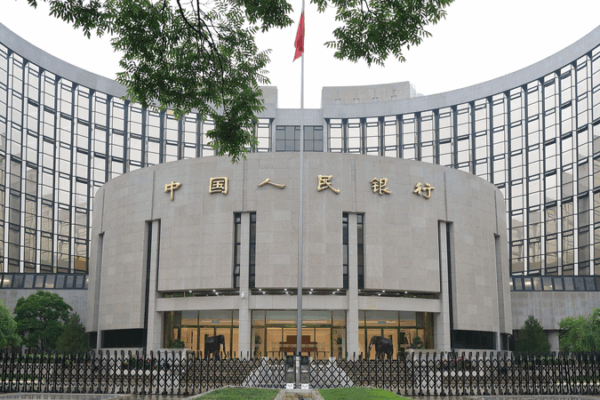
China’s central bank outlines measures to stabilize economic growth and reduce financing costs amid global challenges, prioritizing innovation and risk management.
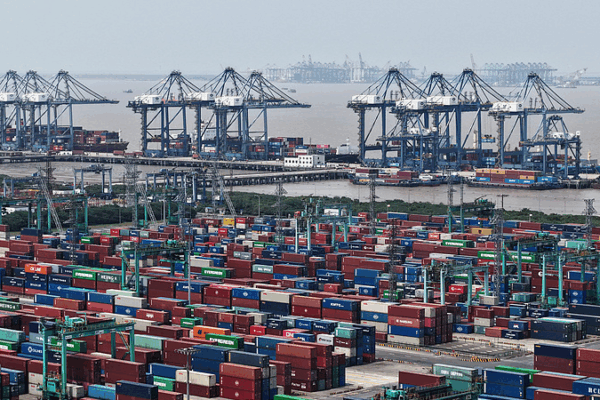
China’s foreign trade grew 5.6% in April driven by 9.3% export growth, signaling economic resilience amid shifting global demand patterns.
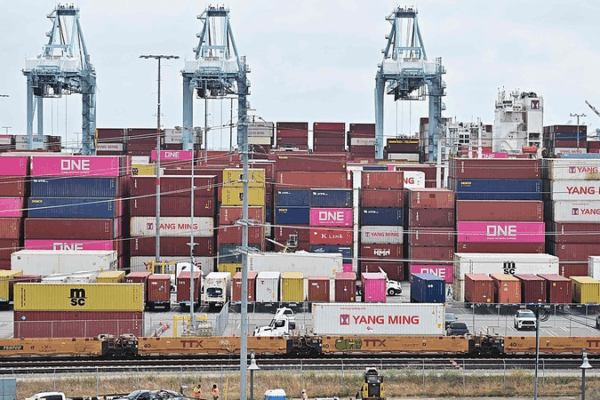
US and Chinese officials to hold urgent economic talks in Switzerland as tariff tensions rattle global markets and investor confidence.

China introduces rate cuts, liquidity measures, and SME support to stabilize its economy amid global uncertainties.

MSNBC’s Ali Velshi warns Trump’s proposed 145% tariffs on Chinese goods could drastically increase prices for US consumers, impacting global trade dynamics.
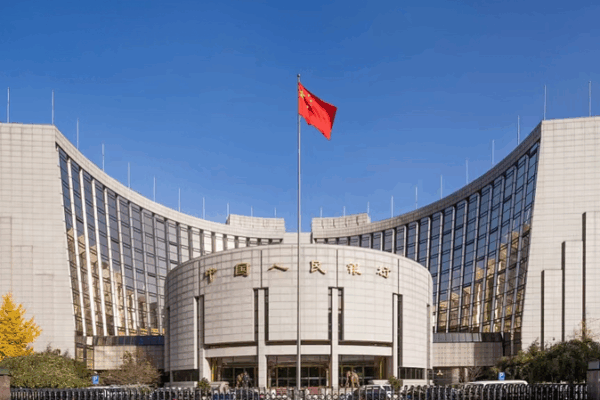
China’s central bank reduces reserve requirement ratio, injecting $138.9B to bolster economic growth and market stability. Key sectors targeted.
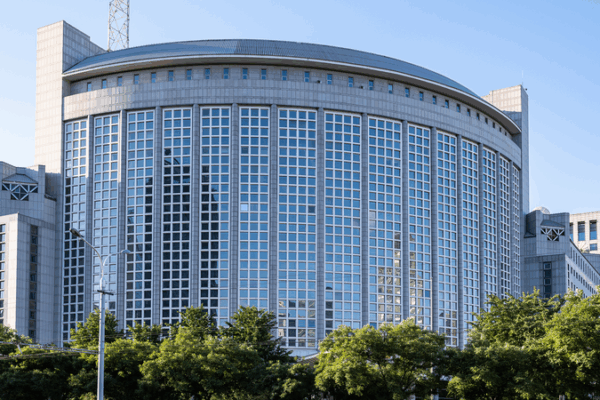
High-level economic talks between China and the U.S. in Switzerland aim to address trade and investment challenges, signaling potential shifts in global markets.

US automakers and consumers face challenges from new auto tariffs, with experts warning of unpredictable economic impacts and market uncertainty.

Explore Yabaolu, Beijing’s Russian cultural enclave, where markets brim with imported snacks and goods—a delicious testament to the city’s multicultural fabric.

The Canton Fair showcases Chinese firms adapting to U.S. tariffs through market diversification & innovation, with exports shifting toward ASEAN and Belt and Road partners.
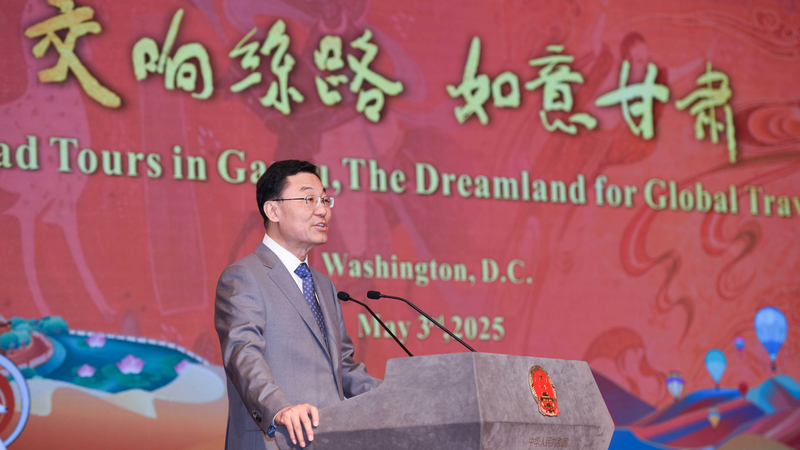
China’s U.S. ambassador calls for respectful trade dialogue amid tariff tensions, highlights mutual economic benefits and strong Q1 growth indicators.

China’s booming domestic demand counters global economic challenges, highlighted by record May Day consumer activity and strategic policy shifts.