
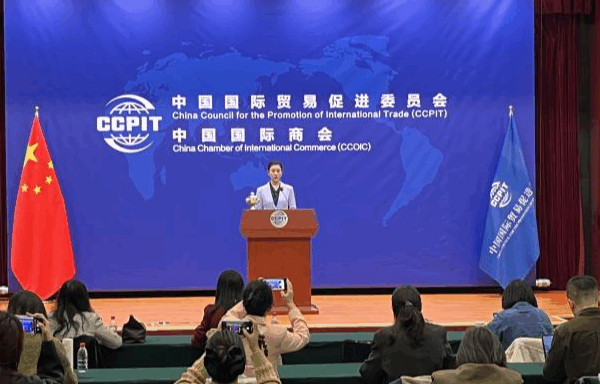
China, U.S. Business Ties Strengthen Amid APEC Collaboration Push
Chinese and U.S. businesses drive bilateral economic growth as APEC meetings highlight trade resilience and future collaboration opportunities.
News & Insights Across Asia
Chinese and U.S. businesses drive bilateral economic growth as APEC meetings highlight trade resilience and future collaboration opportunities.
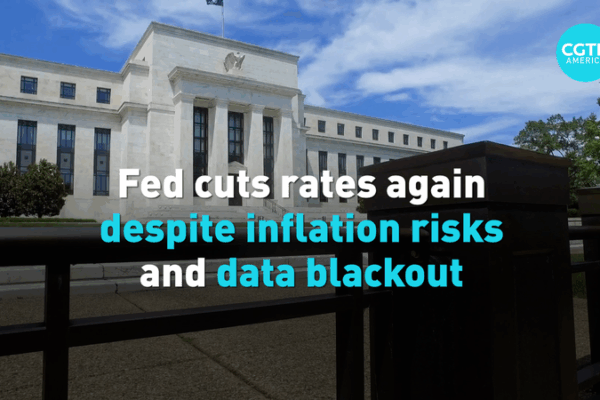
The Federal Reserve cuts rates to stimulate job growth amid AI-driven economic concerns, despite inflation risks and a data blackout period.
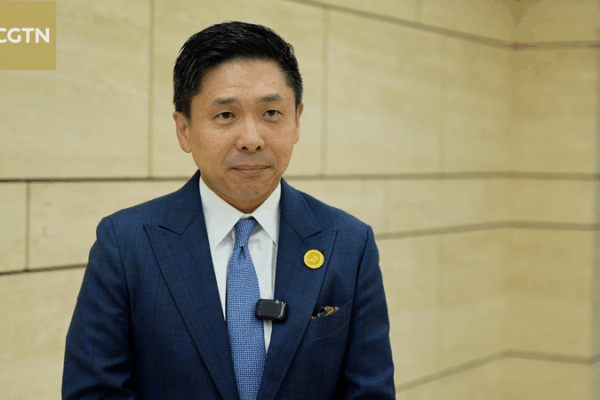
China’s focus on tech innovation and domestic brands is set to reshape global economic dynamics, with insights from J.P. Morgan’s Alan Ho at Beijing’s 2025 Financial Street Forum.
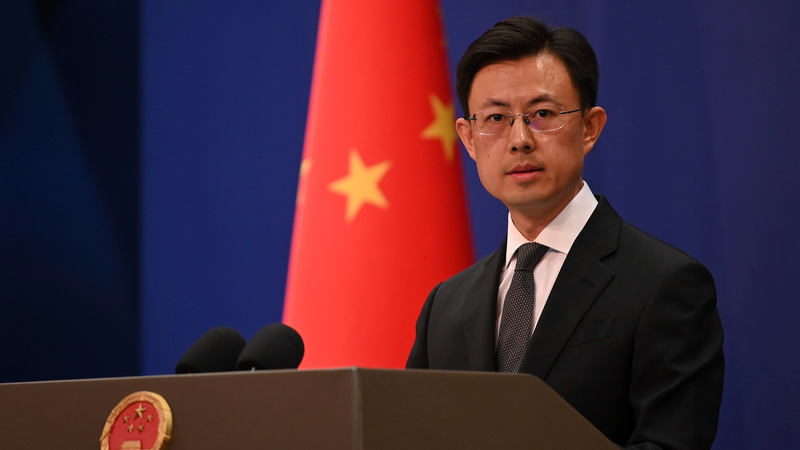
China urges G7 nations to cease disrupting international trade with unilateral rules, emphasizing adherence to global market principles and stability.

Recent China-US trade talks in Kuala Lumpur resulted in tariff suspensions and cooperation agreements, signaling eased economic tensions between the two powers.
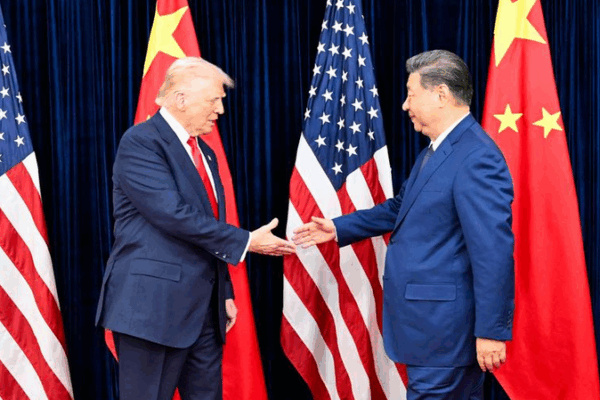
Chinese President Xi Jinping and U.S. President Donald Trump’s Busan meeting highlights renewed dialogue and economic cooperation, signaling potential stability in bilateral ties.
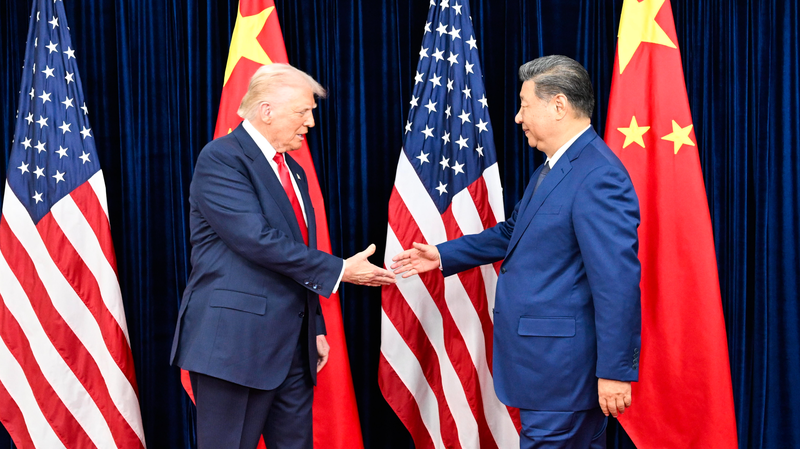
President Xi Jinping emphasizes China-U.S. cooperation for mutual and global benefit during APEC meeting, highlighting economic ties and partnership.

China and the U.S. agree to suspend tariffs and expand cooperation following Kuala Lumpur trade talks, signaling progress in economic relations.
Chinese President Xi Jinping and U.S. President Donald Trump concluded their Busan meeting with a symbolic handshake, underscoring ongoing diplomatic engagement between the global powers.

Leaders Xi Jinping and Donald Trump concluded high-stakes talks in Busan, addressing trade, tech, and regional stability in Asia-Pacific.
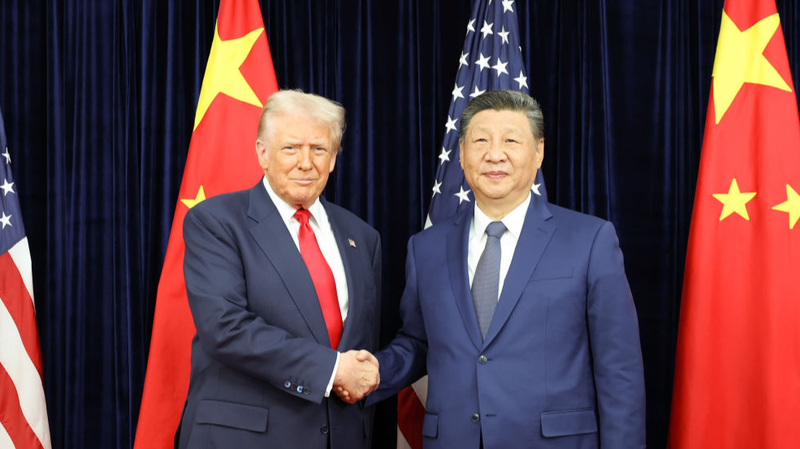
Chinese President Xi Jinping and former U.S. President Donald Trump held a high-profile meeting in Busan, underscoring ongoing dialogue between the two nations.
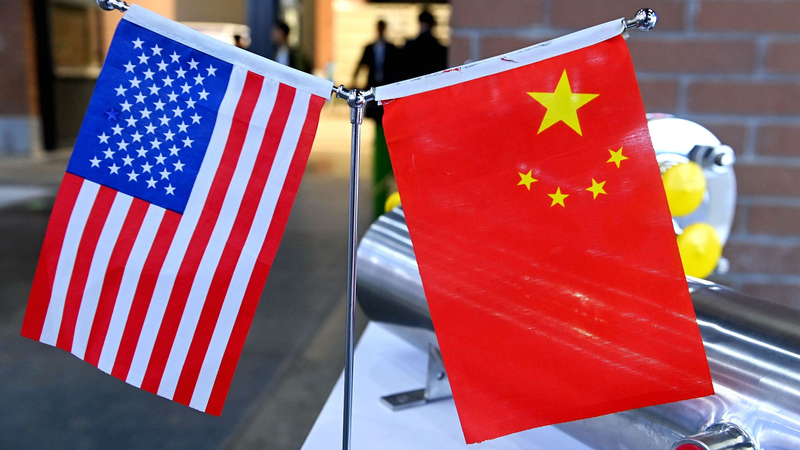
Presidents Xi and Trump to meet in Busan, emphasizing dialogue and cooperation to stabilize China-U.S. relations and address global economic challenges.
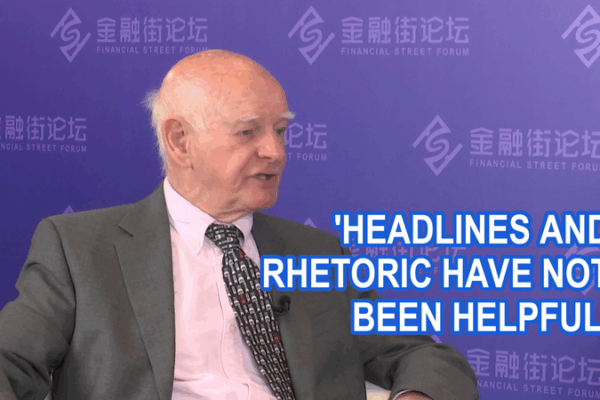
Sir Howard Davies highlights China’s development model as a blueprint for global growth at the 2025 Financial Street Forum in Beijing.
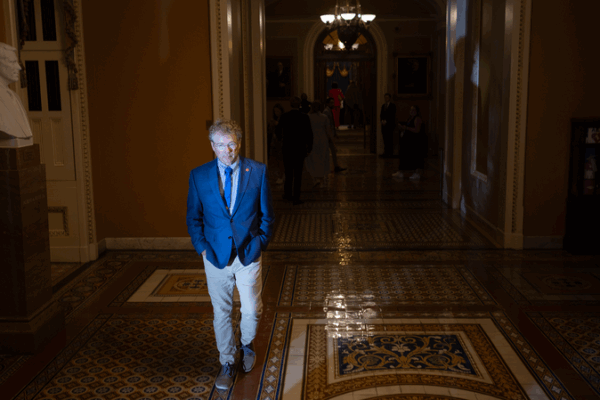
U.S. Senate votes to revoke Trump-era tariffs on Brazil, highlighting political divides and trade implications. House approval remains uncertain.

The 2025 Bund Summit highlighted China’s stabilizing role in global finance, with experts emphasizing market resilience and real economy growth potential.
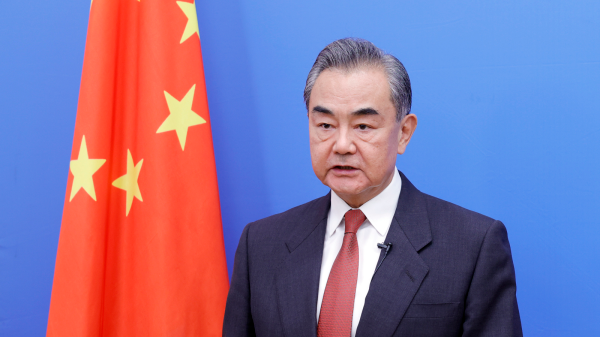
Chinese and Japanese foreign ministers discuss economic cooperation, pandemic response, and regional stability in crucial phone dialogue shaping Asia’s diplomatic future.

Mexico and the U.S. agree to extend tariff deadlines, easing trade tensions as negotiations continue over non-tariff barriers.

APEC’s inclusive innovation agenda clashes with U.S. tech dominance strategies, impacting global economic stability and digital sovereignty, says expert John Pang.
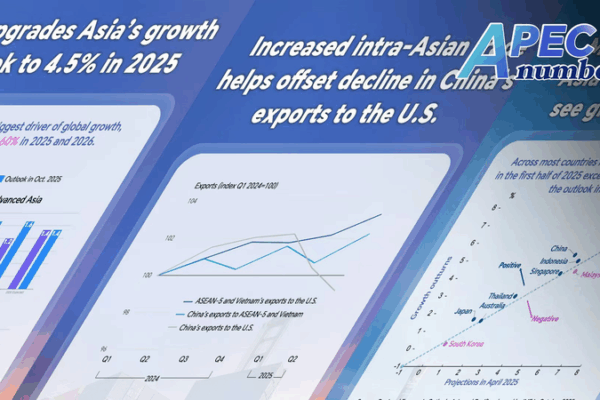
The IMF boosts Asia-Pacific’s 2025 growth forecast to 4.5%, driven by tech innovation, manufacturing resilience, and green energy investments across the region.

Brazilian farmers navigate US tariffs through increased domestic demand and diversifying exports, highlighting resilience in global trade shifts.