
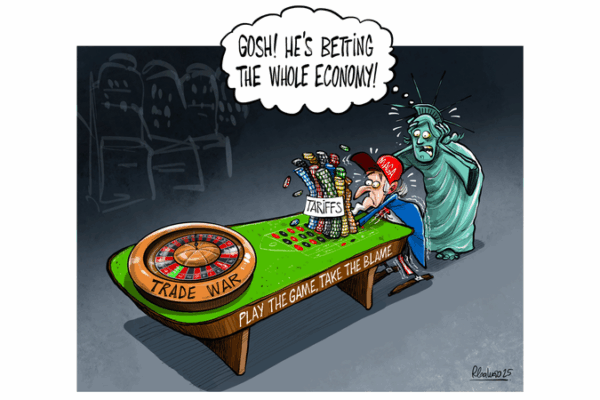
U.S. Tariff Backfire: Trade Tensions Ripple Through Global Markets
U.S. tariff escalations disrupt global trade networks while inflating domestic prices and fueling unemployment, creating economic headwinds worldwide.
News & Insights Across Asia
U.S. tariff escalations disrupt global trade networks while inflating domestic prices and fueling unemployment, creating economic headwinds worldwide.

Americans express concerns over escalating US tariffs and trade war impacts, citing higher costs and strained international relations. #TradeTensions

Iowa soybean farmers urge stability in China trade amid U.S. tariff pressures, emphasizing economic risks and historical cooperation.

China and Mexico expand aerospace cooperation, combining technological innovation with manufacturing capabilities to strengthen bilateral economic ties.

China’s rapid rise in global innovation rankings, driven by stable policies, talent systems, and industrial collaboration, positions it as a key player in technological advancement.
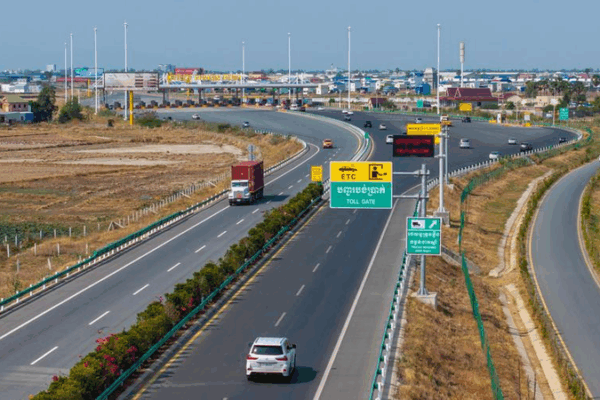
China’s 6.2% ODI growth and 15.6% BRI investment surge in Q1 2025 challenge ‘Peak China’ narratives, reflecting strategic global economic engagement.
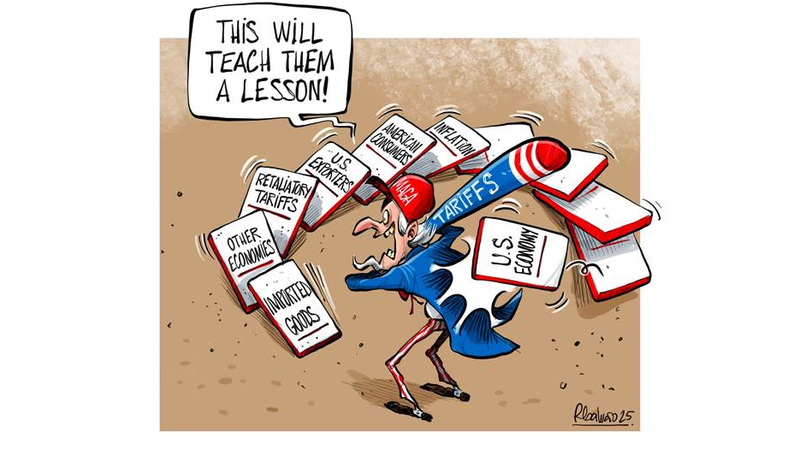
U.S. tariff policies spark inflationary pressures and export declines, creating domestic economic strain despite original protectionist goals.
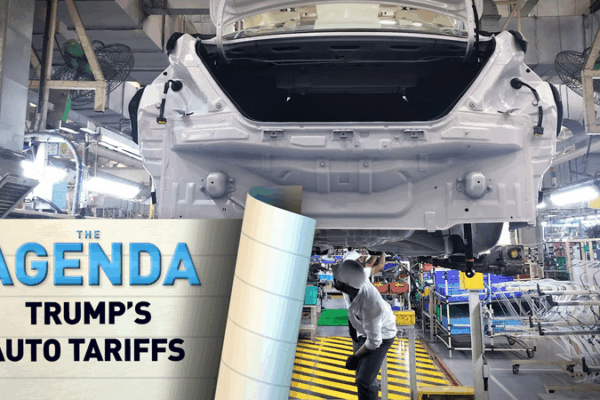
Experts analyze how Trump-era auto tariffs could reshape global supply chains, pricing, and competition in the automotive sector amid shifting trade policies.
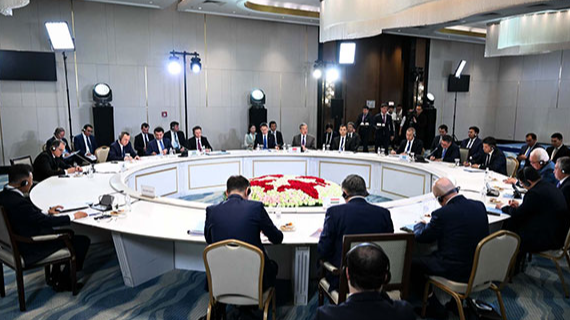
Chinese Foreign Minister Wang Yi calls retaliatory tariffs crucial to defending global fairness and WTO rules while pledging continued economic openness.
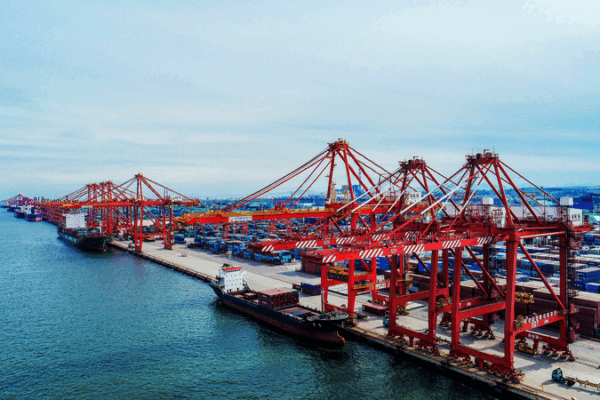
China criticizes US tariff policies, pledges expanded market access and support for free trade amid global economic stability concerns.

As the U.S. revives tariff strategies, experts warn of global economic fallout, drawing parallels to the 1930 Smoot-Hawley Act. Lessons from history remain unheeded.

Amid new tariffs and policies, experts question if the U.S. can regain its manufacturing dominance. Analysis of labor, history, and global dynamics.

European policymakers explore Asian trade partnerships amid U.S. tariff uncertainties, signaling potential shifts in global economic alliances during IMF meetings.
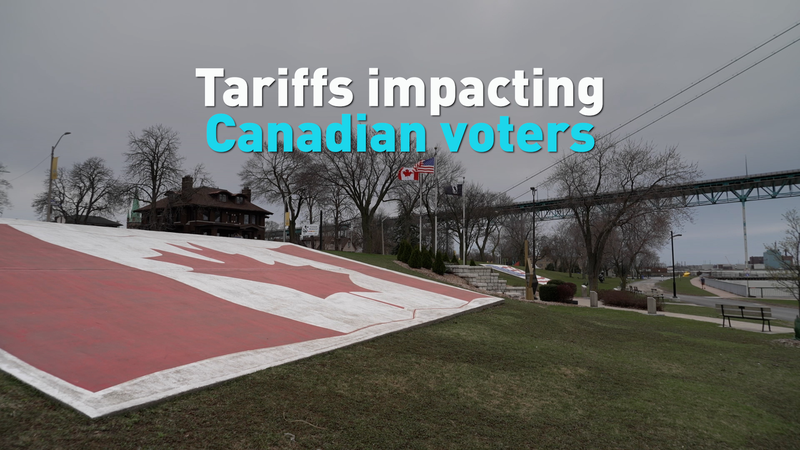
Canada’s federal election occurs amid U.S. tariff tensions, with trade policies becoming a pivotal issue for voters and businesses alike.

Chinese EV giant BYD counters protectionism with homegrown tech and global expansion, setting a blueprint for Asian firms navigating trade challenges.
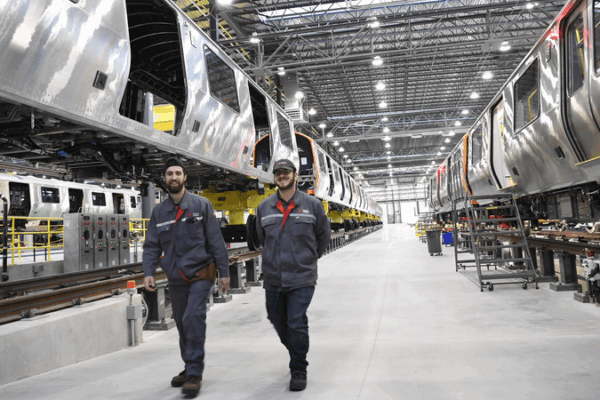
New analysis challenges the narrative that China’s 2001 WTO entry destroyed US jobs, highlighting sectoral shifts and economic transformation.

Escalating US tariff measures disrupt global markets, driving production costs higher and straining sectors from manufacturing to agriculture.
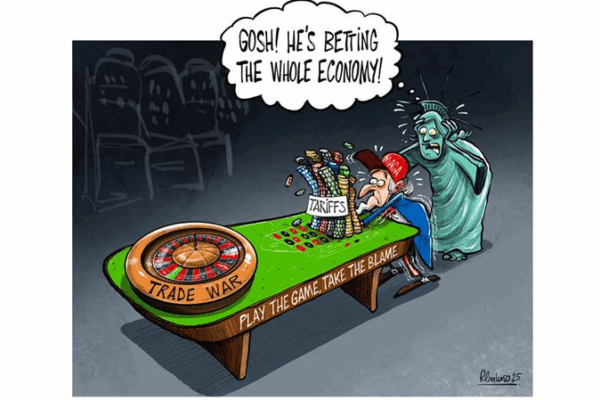
U.S. tariff threats disrupt global trade flows, drawing rare allied criticism and fueling economic uncertainty across Asia and beyond.

As global tariff policies stir economic waves, China’s strategic response focuses on resilience and integration. Explore the data-driven analysis of trade dynamics.

Despite aggressive tariffs, the U.S. struggles to revive its manufacturing sector, with global economic implications and shifting workforce attitudes.