
UN Warns of Extreme Heat Risks as El Niño Intensifies Globally
The UN weather agency warns of extreme heat, droughts, and heavy rainfall as a moderate to strong El Niño event impacts global temperatures through November 2026.
News & Insights Across Asia
The UN weather agency warns of extreme heat, droughts, and heavy rainfall as a moderate to strong El Niño event impacts global temperatures through November 2026.
The UN’s weather agency warns of a moderate to strong El Niño event, predicting global temperature spikes and extreme weather risks through November 2026.
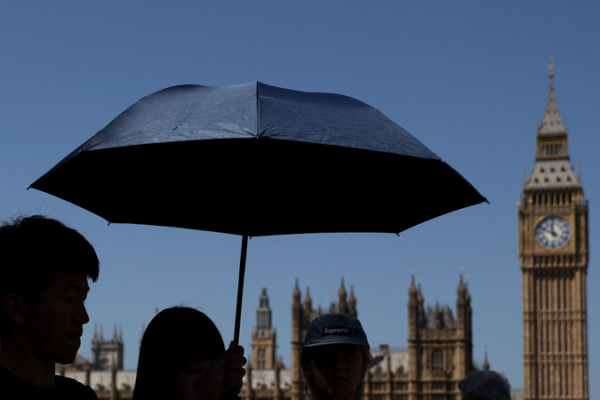
The World Meteorological Organization (WMO) warns that record global temperatures are likely to persist over the next five years, amid severe heatwaves in India and Europe.

Record-breaking May temperatures hit Europe as a “heat dome” traps warm African air, signaling a potentially extreme summer driven by climate change and El Niño.

Meteorologists warn that 2026 may become one of the hottest years on record as El Niño conditions emerge in the Pacific, increasing extreme weather risks.

Climate scientists warn 2027 could break heat records as global temperatures rise. New data shows historic U.S. warmth and growing public climate anxiety worldwide.

The World Meteorological Organization’s 2025 report reveals Earth’s energy imbalance has reached a record high, signaling urgent climate challenges for Asia and the globe.
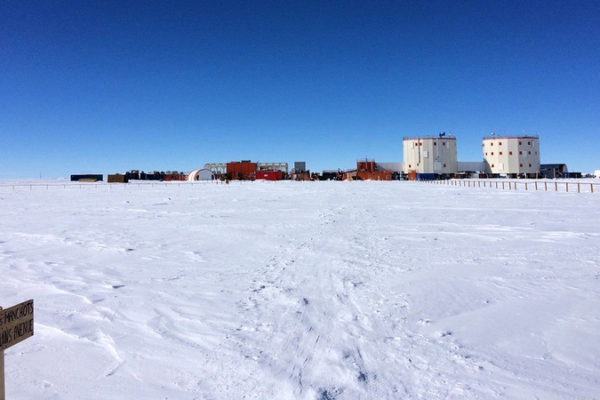
A new ice core repository in Antarctica, led by European researchers, aims to preserve vital climate data as glaciers melt. The facility stores samples from Alpine glaciers under natural Antarctic conditions.

A new Chinese study reveals human-driven climate change will accelerate Antarctic warming faster than previous estimates, with significant global implications.

China intensifies climate adaptation strategies as warming patterns trigger more frequent extreme weather events, deploying advanced forecasting and infrastructure upgrades.

China enters La Niña conditions in late 2025, but experts indicate a ‘double event’ this winter remains unlikely, citing climate patterns and global warming impacts.
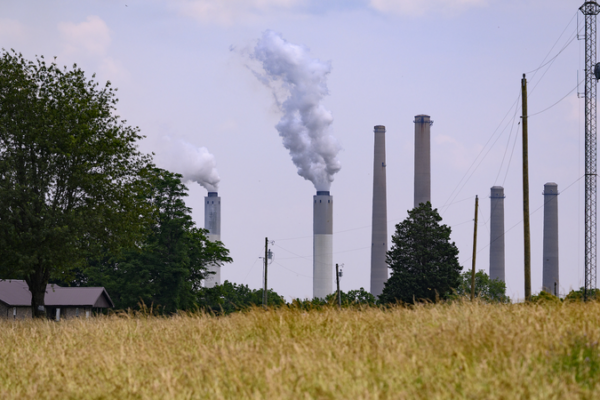
The U.S. EPA has revised its climate change language, removing references to human impact and emphasizing natural processes, sparking global debate.

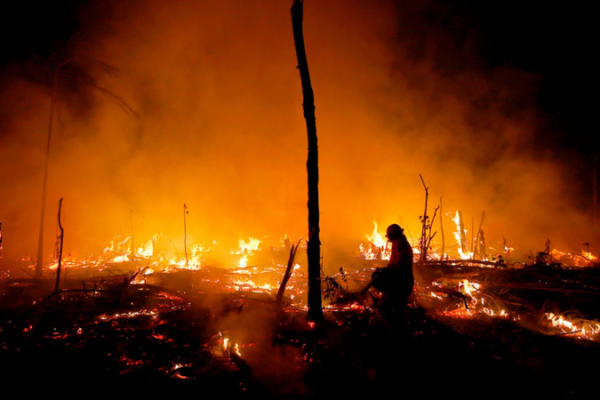
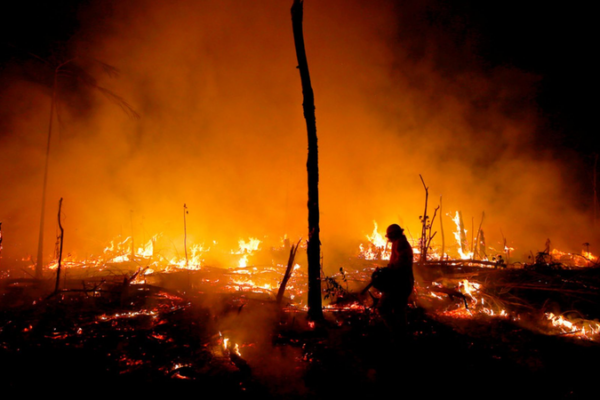
Explore recent scientific breakthroughs: the impact of climate change seen in wildfires and global warming records, Antarctic ice revealing Earth’s past, and China’s Chang’e-5 discovering the moon’s magnetic history.

2024 has been declared the hottest year on record, with global temperatures 1.55°C above pre-industrial levels. The UN urges immediate action, as Asia faces escalating climate impacts.

2024 has been confirmed as the warmest year globally since records began, with temperatures exceeding the critical 1.5°C threshold, emphasizing the urgent need for global climate action.

2024 is confirmed as the warmest year globally since records began in 1850, exceeding 1.5°C above pre-industrial levels, highlighting the urgent need for global action against climate change.
Record-breaking temperatures in 2024 led to extremes in the global water cycle, causing major floods and droughts worldwide, according to a new Australian-led international report.
Global temperatures in 2024 have surged to unprecedented levels, raising concerns about crossing the critical 1.5°C warming threshold set by the Paris Agreement.
A UN-backed COP16 report reveals that over 75% of global land has become permanently drier over the past 30 years, posing an existential threat to billions and redefining life on Earth.

European Union scientists predict that 2024 will be the world’s hottest year on record, with exceptionally high temperatures expected to continue into early 2025.