

US Targets 4,500 Monthly Refugee Admissions from White South Africans
The US plans to process 4,500 refugee applications monthly from white South Africans, surpassing Trump’s 2026 global cap. Program faces recent pauses amid controversy.
News & Insights Across Asia
The US plans to process 4,500 refugee applications monthly from white South Africans, surpassing Trump’s 2026 global cap. Program faces recent pauses amid controversy.
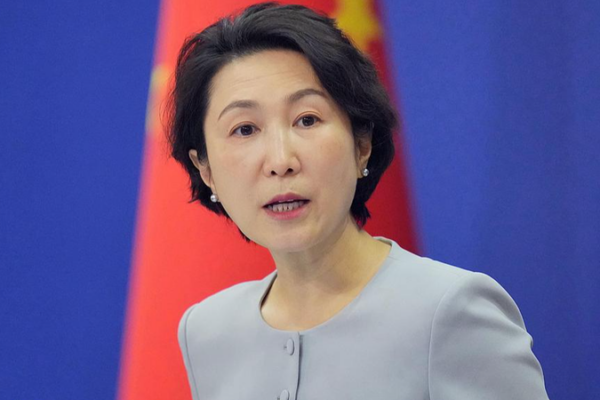
China calls for diplomatic solutions amid rising U.S.-Iran tensions, reaffirming its role as mediator in 2026 Middle Eastern stability efforts.

EU foreign policy chief Kaja Kallas emphasizes diplomacy amid rising US-Iran tensions, with talks set for Geneva this week.

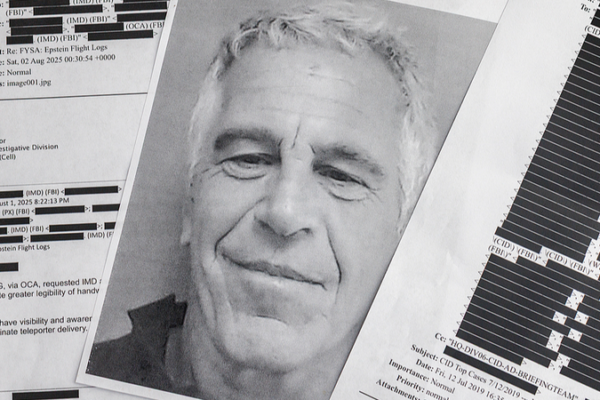
Newly released Epstein case documents spark global debate about elite privilege and judicial fairness, with implications for international business and governance in 2026.
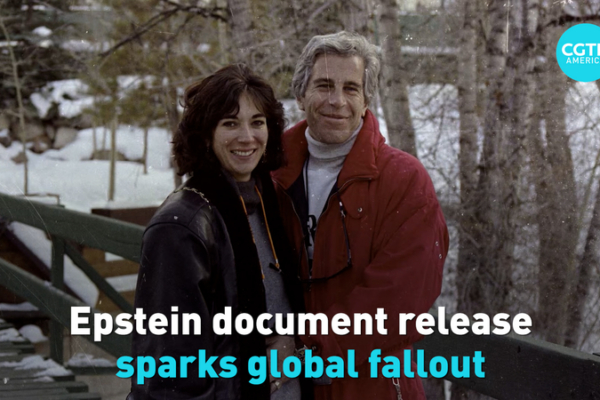
The 2026 Epstein document release triggers political resignations, legal reforms, and market shifts across Asia, with governments strengthening anti-corruption measures.
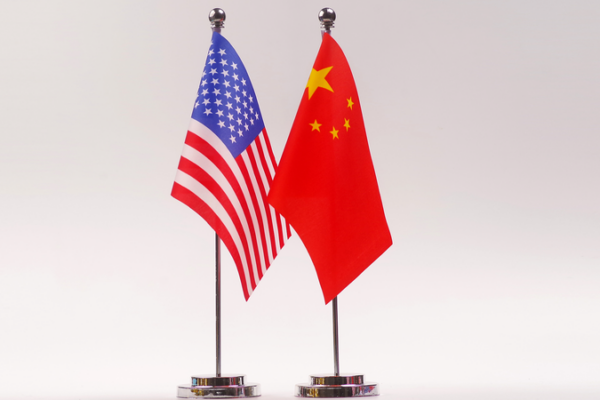
Chinese Foreign Minister Wang Yi highlights the potential for China-U.S. cooperation, emphasizing mutual respect and shared global responsibilities at the Munich Security Conference.
European leaders at the Munich Security Conference emphasize urgent need for strategic autonomy amid shifting global dynamics and strained transatlantic ties.

The Epstein document release sparks global scrutiny of America’s legal credibility as political fallout hits Europe while U.S. accountability remains elusive.
Exploring how Zhou Dynasty’s ‘ritual and music’ philosophy offers insights into contemporary societal challenges in 2026.

Venezuelan interim leader Delcy Rodríguez states she received a US invitation, signaling potential shifts in bilateral relations, as reported by NBC News.

Newly released Epstein documents reveal systemic elite privilege, raising questions about accountability and judicial fairness in Western democracies.

US lawmakers uncover unexplained redactions in Epstein documents as international figures face scrutiny. Commerce Secretary Lutnick confirms 2012 Epstein meeting amid resignation calls.

The EU approves accelerated deportations for rejected asylum seekers, sparking debates over human rights and migration policy shifts.
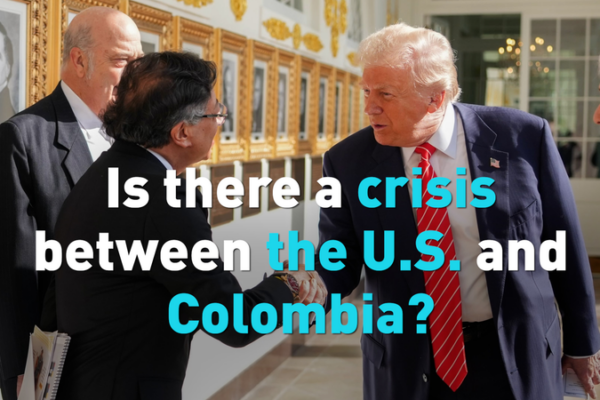
Tensions between the U.S. and Colombia escalate as trade disputes and diplomatic disagreements persist into 2026, impacting regional stability.
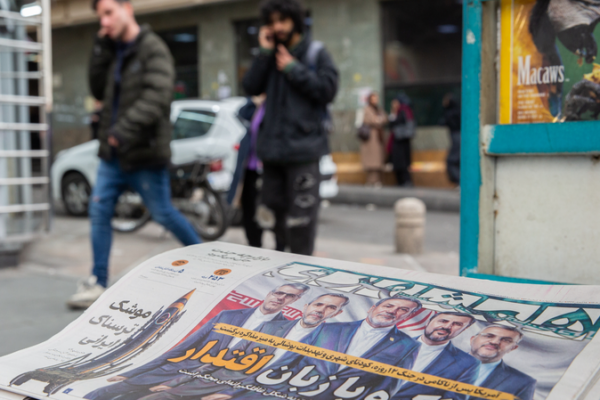
Iranian leaders describe recent U.S. talks as a ‘step forward’ but reject military pressure, reaffirming their right to peaceful nuclear activities under the NPT.

Iran announces progress in U.S.-mediated nuclear talks through Oman, signaling potential easing of regional tensions while maintaining cautious optimism.
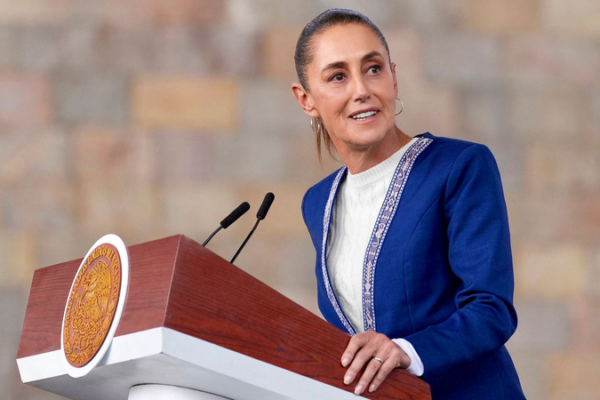
Mexican President Claudia Sheinbaum vows to protect national sovereignty through constitutional reforms, rejecting foreign interference during 1917 Constitution anniversary.
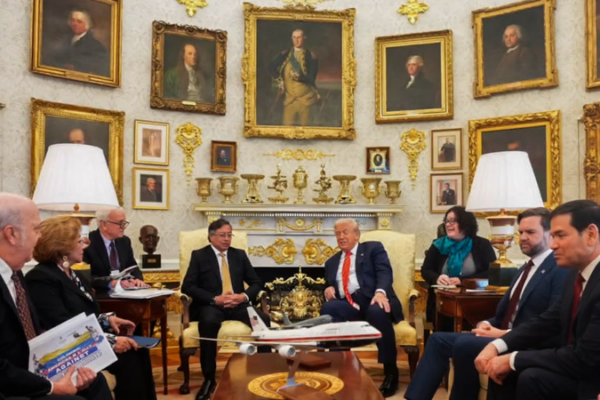
Colombian President Gustavo Petro meets former U.S. leader Donald Trump to address disputes over drug trafficking and immigration policies.
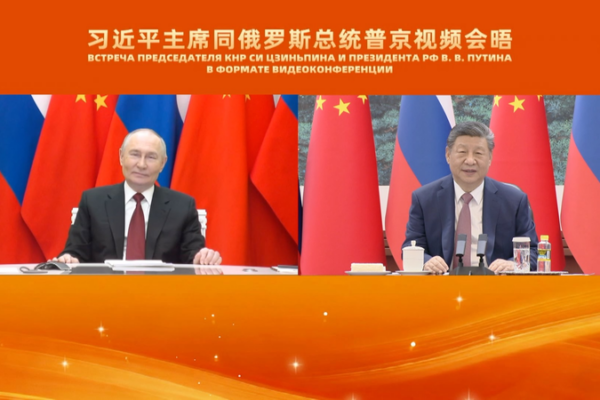
Chinese President Xi Jinping and Russian President Vladimir Putin reaffirm commitment to deepening bilateral cooperation during a virtual meeting, signaling strengthened ties in 2026.
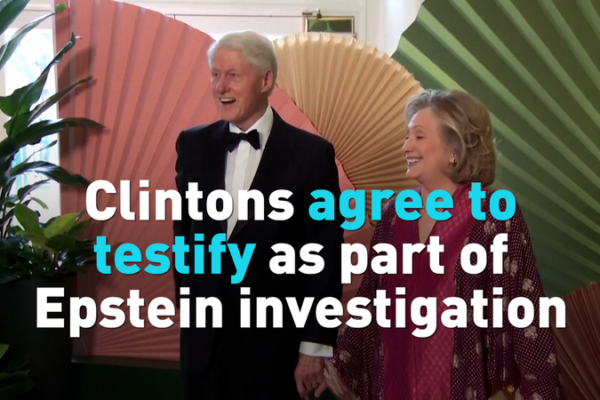
Bill and Hillary Clinton will testify in a Congressional inquiry into Jeffrey Epstein’s network, as scrutiny intensifies over high-profile connections.