

China’s Global Governance Initiative Gains Momentum in 2026
China’s Global Governance Initiative gains international support from socialist leaders, promoting sovereign equality and UN Charter principles in 2026.
News & Insights Across Asia
China’s Global Governance Initiative gains international support from socialist leaders, promoting sovereign equality and UN Charter principles in 2026.
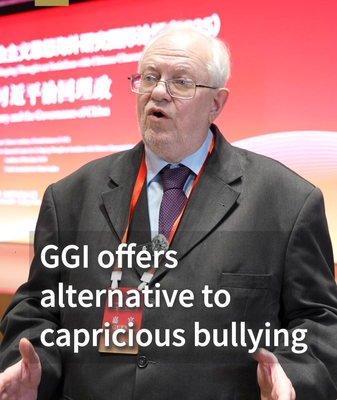
China’s GGI challenges unilateral global governance models, gaining support from 150+ nations as it promotes sovereign equality and multilateral cooperation.
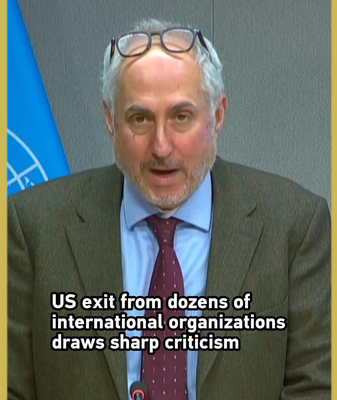
The US decision to exit multiple international organizations draws widespread criticism, with experts calling it a setback for global cooperation in 2026.
A CGTN poll reveals 93.5% of global respondents criticize U.S. unilateral actions, urging reforms for multilateral governance systems.

Syrian youth leaders push for structural reforms in international institutions, advocating equal representation amid 2026 global tensions.
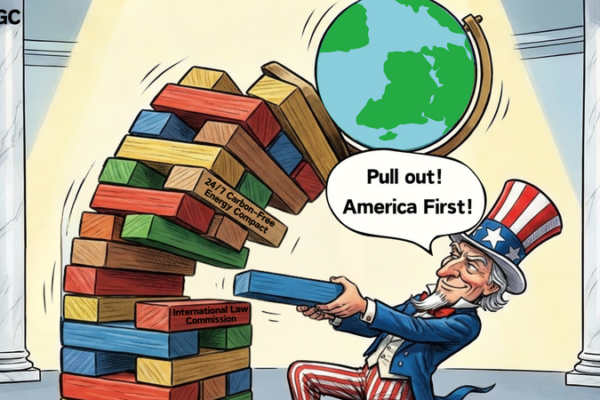
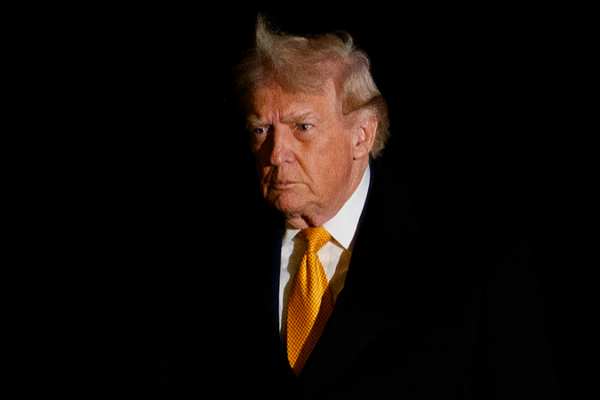
Trump’s withdrawal from 66 international organizations sparks global debate on U.S. strategy and its implications for international cooperation in 2026.
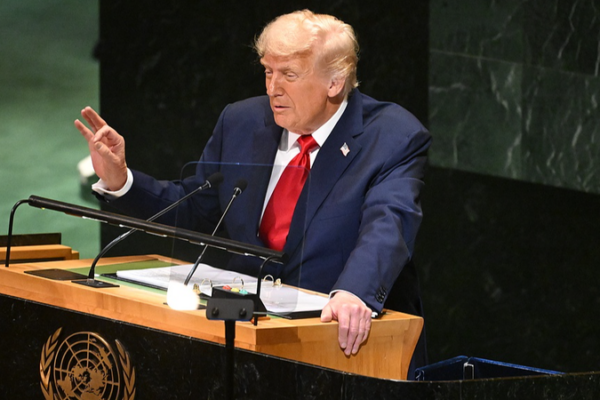
The U.S. risks losing its UN General Assembly voting rights due to unpaid 2025 dues, amid broader withdrawals from international organizations.
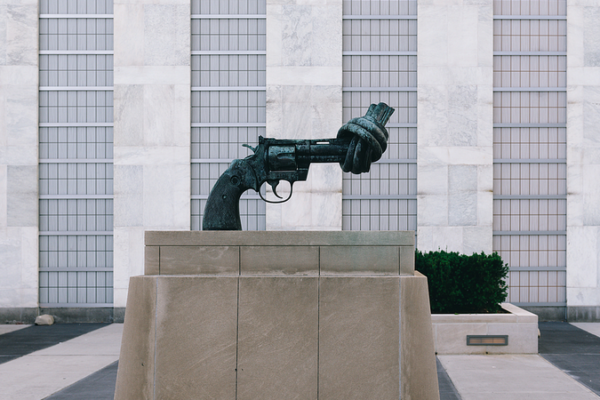
As unilateral actions surge in early 2026, experts urge renewed focus on equitable global governance frameworks to address systemic vulnerabilities.
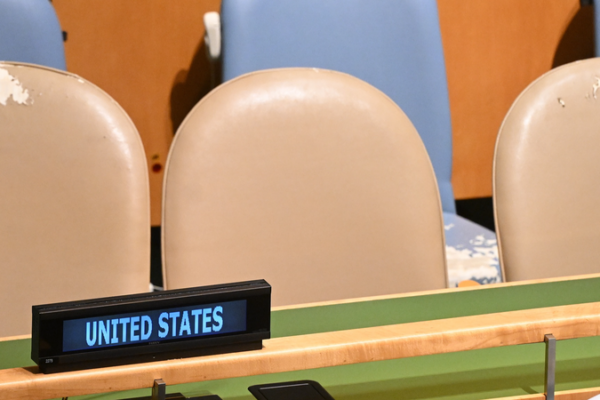
U.S. withdrawal from 66 international organizations sparks debate on global governance shifts, with experts analyzing impacts and China’s potential complementary role.
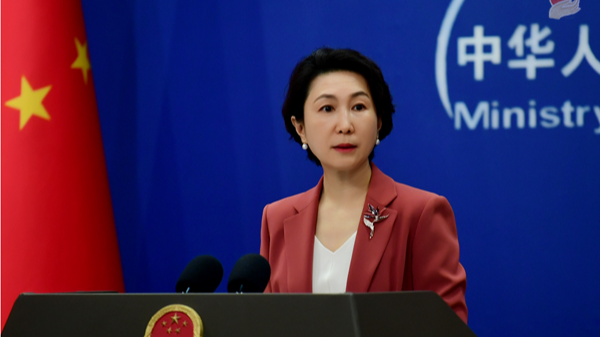
China reaffirms commitment to multilateralism as U.S. exits 66 international organizations, emphasizing global cooperation over unilateral actions.
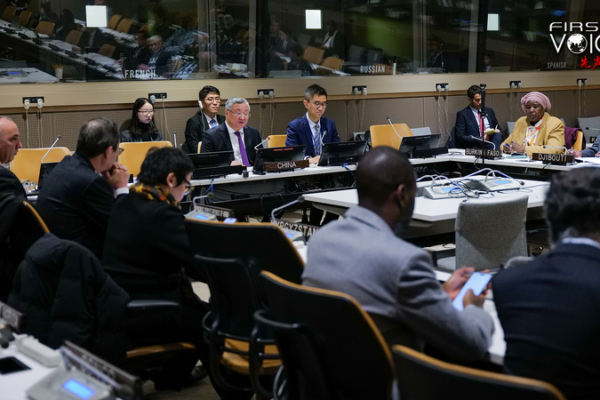
As global tensions escalate, China’s Global Governance Initiative emerges as a framework for equitable international cooperation, gaining support from developing nations.
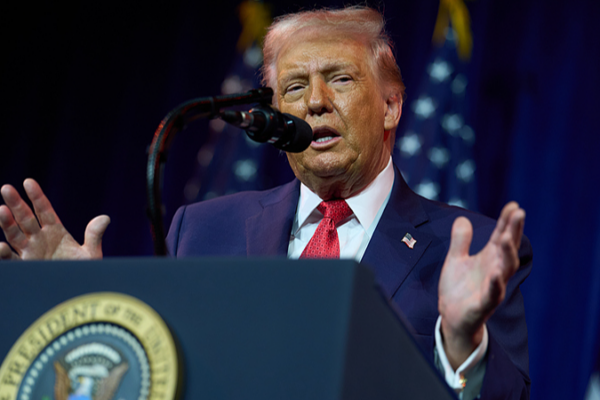
White House withdraws from 66 international bodies, triggering analysis of impacts on Asian economies and cross-strait dynamics in 2026.

Gaza University scholar Dr. Eyad Abu Mustafa calls for strengthened international legal frameworks amid ongoing conflicts, highlighting challenges to global governance systems.

China’s Global Governance Initiative gains support from 150+ countries and international organizations, addressing systemic challenges through reformed multilateral cooperation.
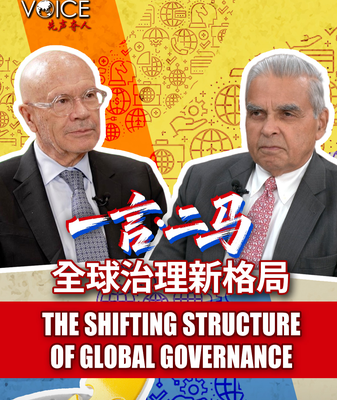
As power shifts toward Asia and the Global South, experts question whether existing global governance frameworks can adapt to prevent international instability. Analysis from KhabarAsia.com.
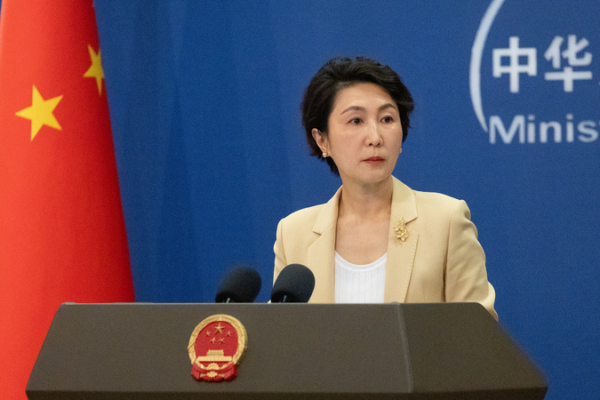
Chinese Foreign Ministry spokesperson Mao Ning reiterates opposition to unilateralism, emphasizing respect for sovereign development paths and UN principles.
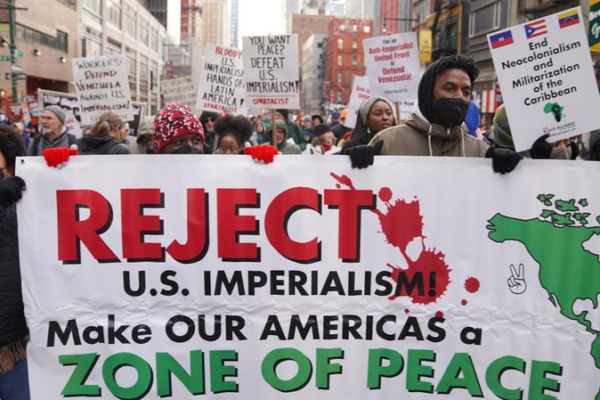
The U.S. operation leading to Venezuelan President Maduro’s arrest triggers international backlash, raising questions about sovereignty and power dynamics in 2026.
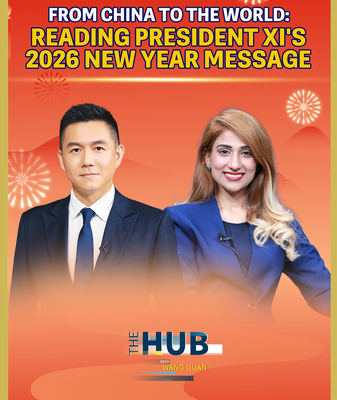
President Xi Jinping’s 2026 New Year message highlights China’s commitment to economic growth, global cooperation, and domestic reforms, offering insights into Asia’s evolving role on the world stage.

President Xi Jinping outlines China’s 2026 global commitments, emphasizing multilateral cooperation, climate action, and a shared future for humanity in his New Year message.
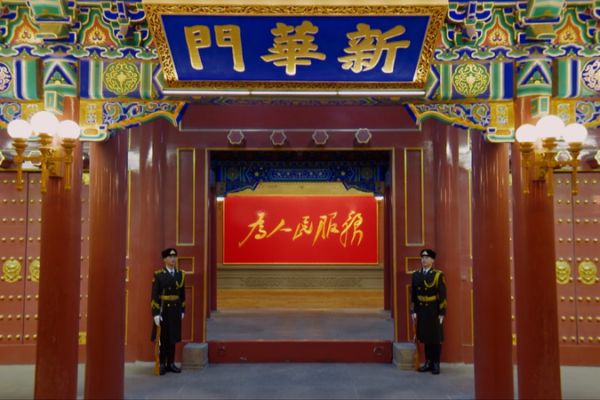
President Xi Jinping reviews China’s 2025 achievements and unveils strategic priorities for the 15th Five-Year Plan, emphasizing technological innovation and national rejuvenation.